Tsingy, Amber Mountain, Wildlife & Indian Ocean
Madagascar
FROM
£1,850
6 days privately guided£1,850
View details
Enquire / Book
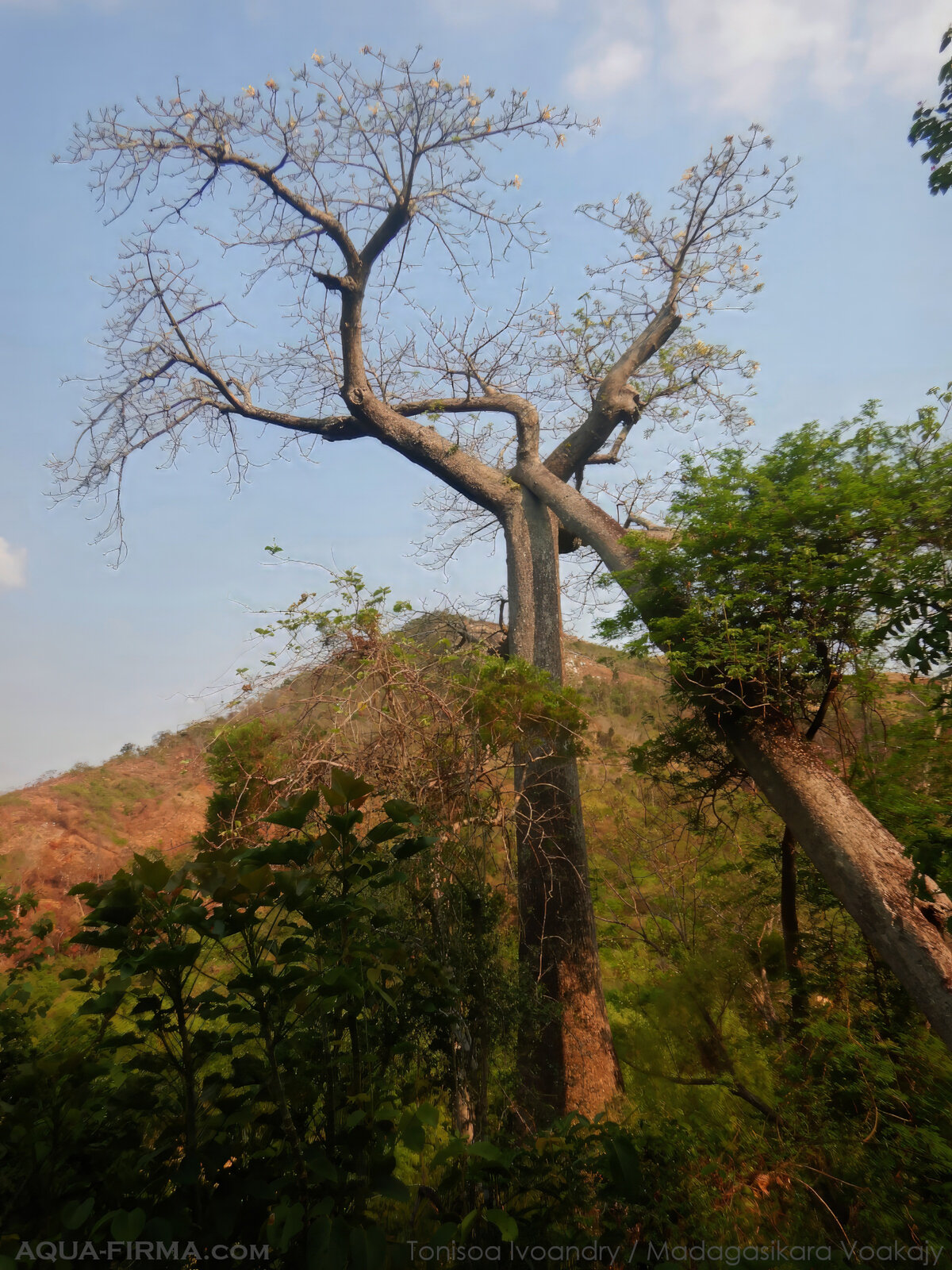
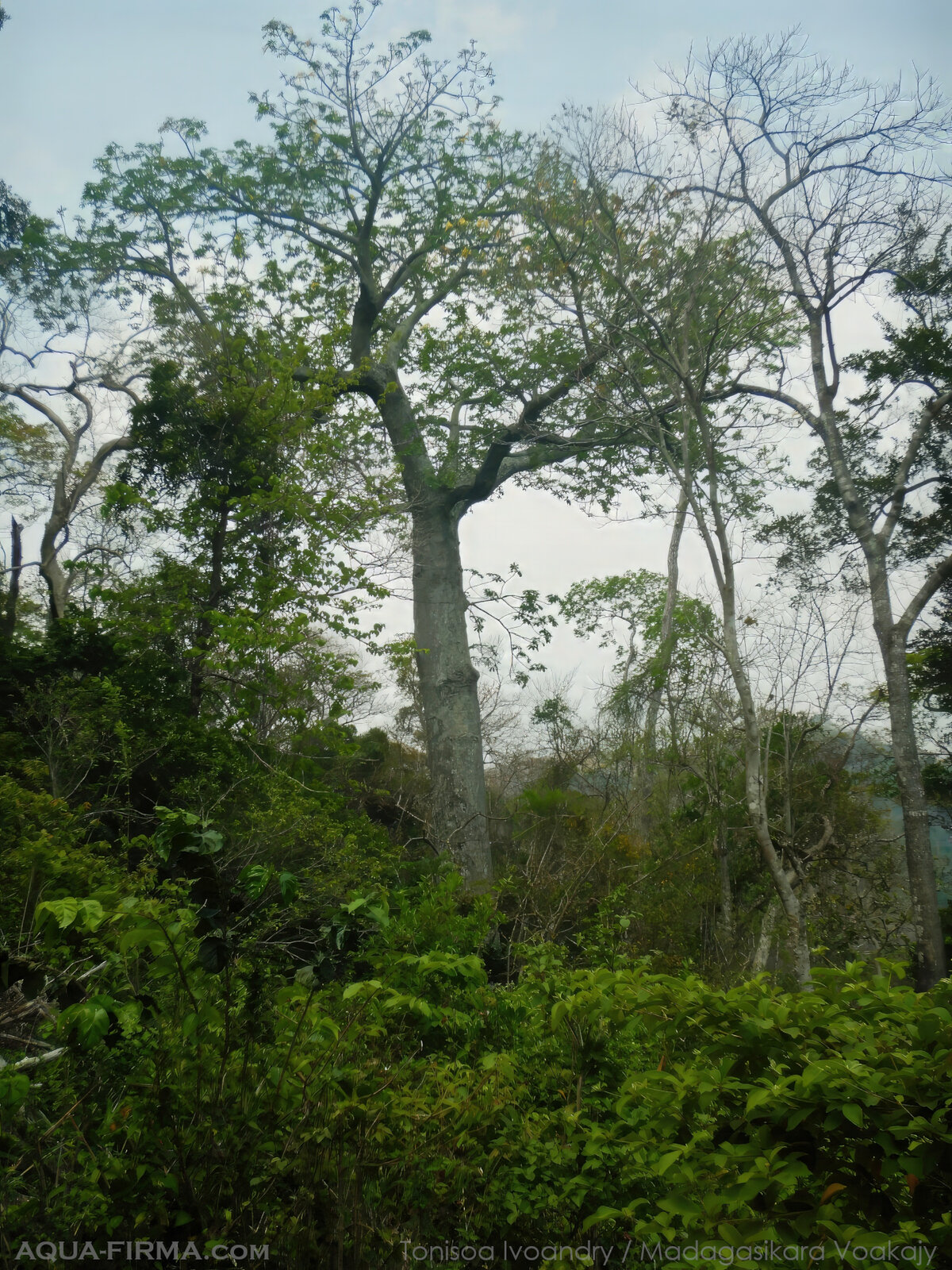
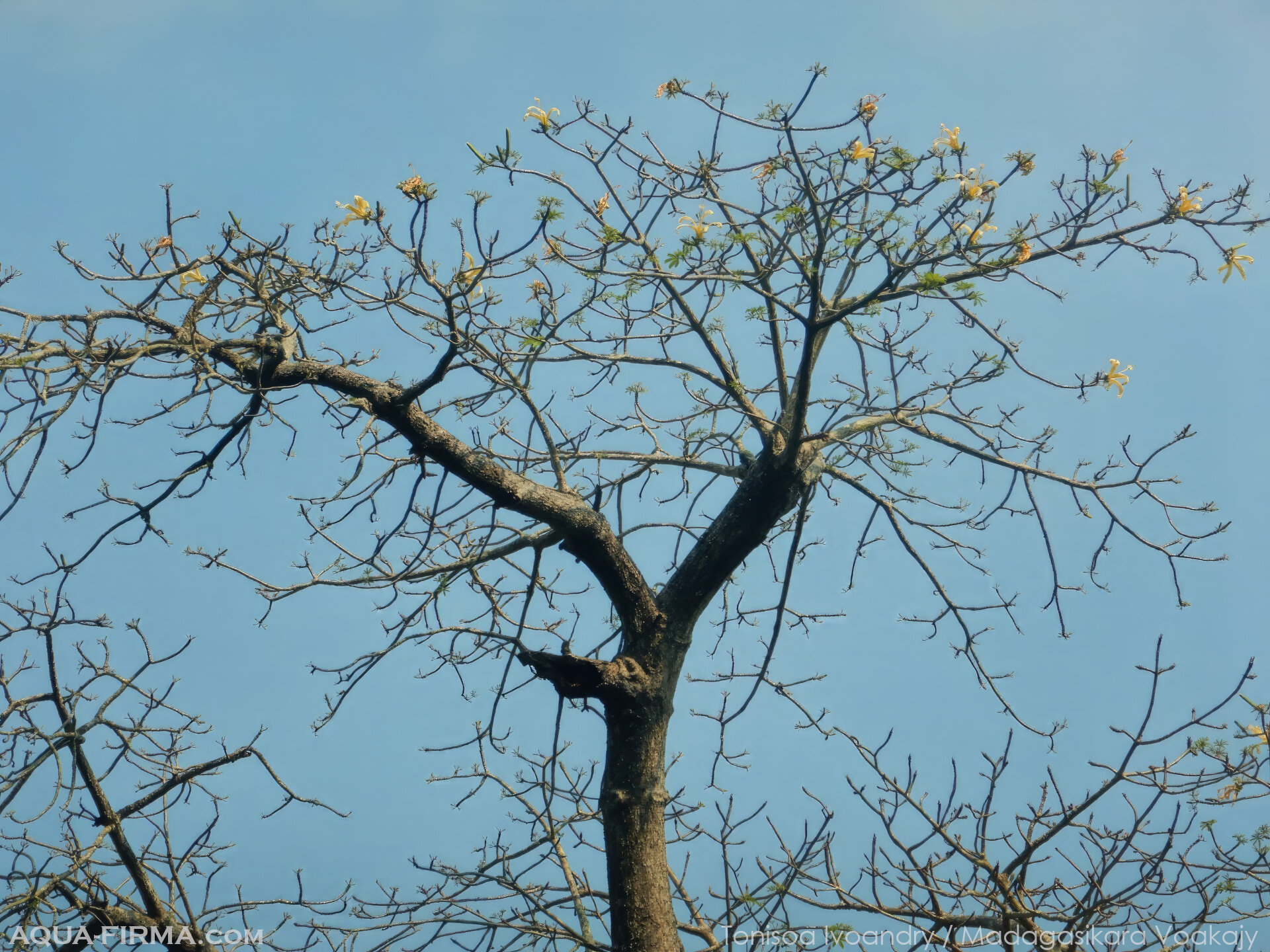
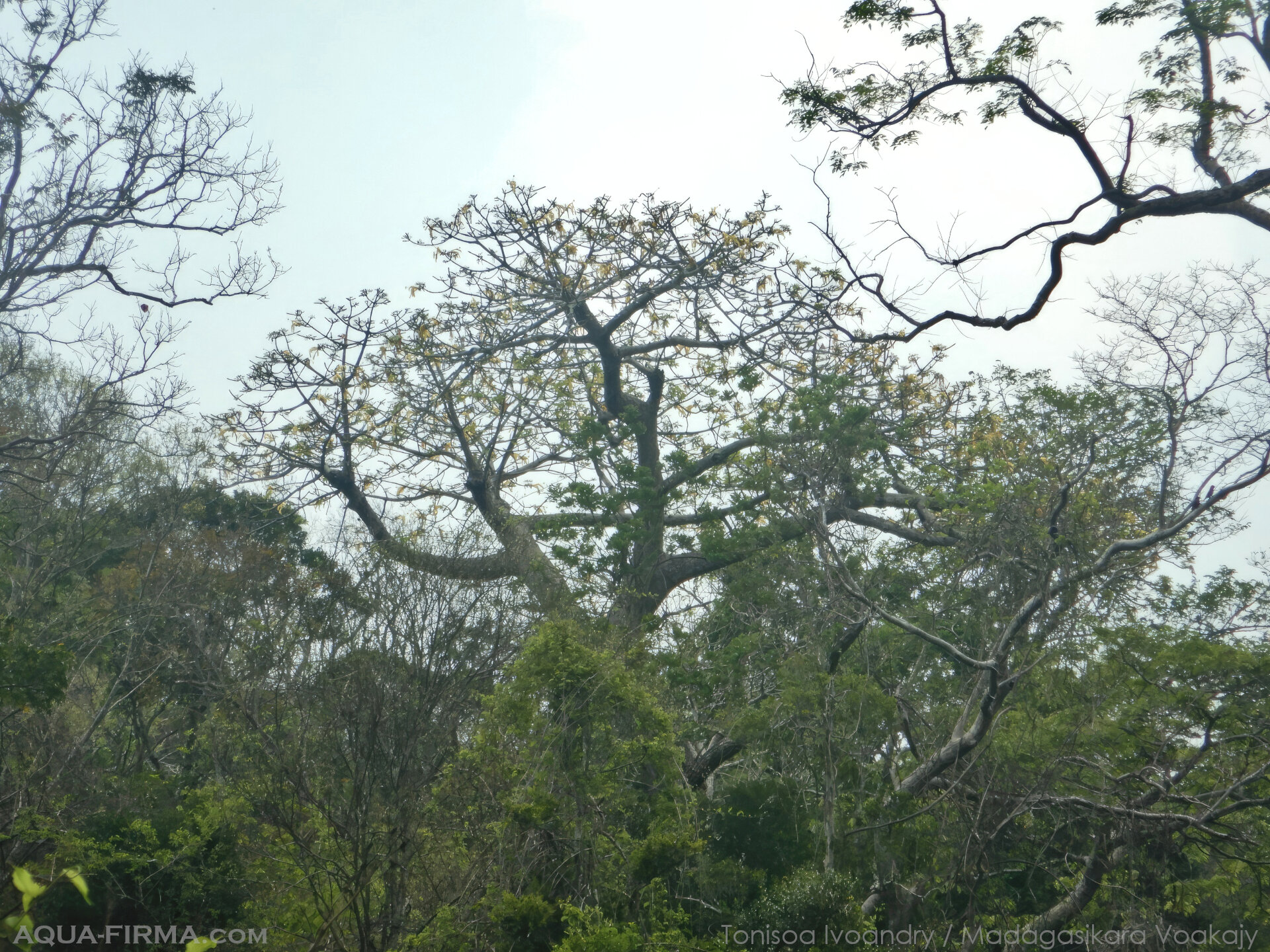
The most endangered species of baobab is Perrier's Baobab (Adansonia perrieri), of which just 200 or so adult trees are present in the wild according to our local conservation partner, Voakajy. We are trying to bring this species back from the brink of extinction, by establishing a nursery to propagate 11,500 seedlings.
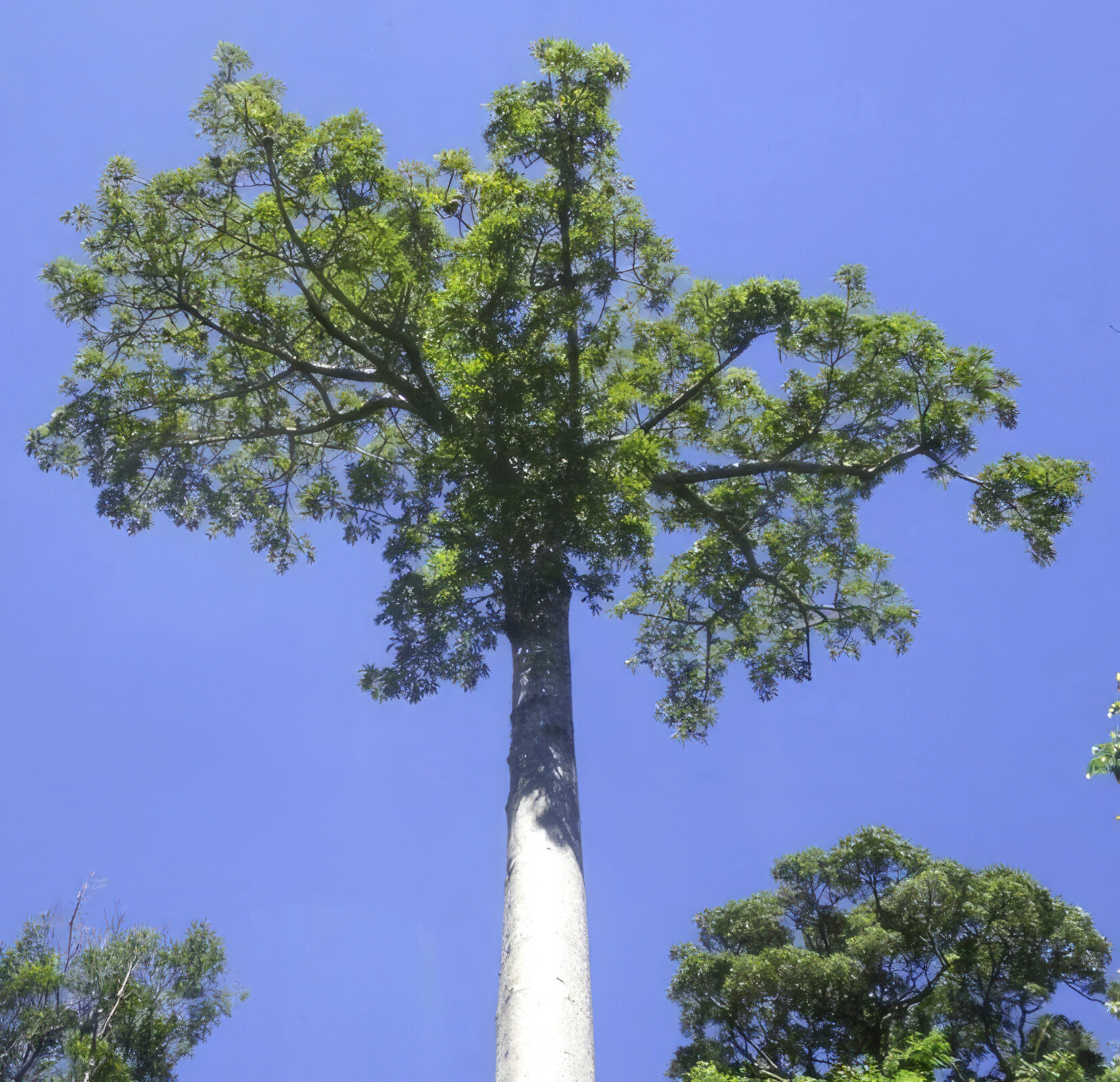
Baobabs are some of the most distinctive trees, looking as though they have been pulled up by the roots and replanted upside down. There are 8 species of baobab worldwide, of which 6 are found exclusively in Madagascar. One of the most famous places to see them is along the Avenue of Baobabs in the west coast of the country. Here it's the huge Grandidiers Baobab which dominates.
Perrier's Baobab is the most endangered baobab - Critically Endangered in fact - found in the drier north of Madagascar; in particular around the beautiful Ankarana National Park, famous for its tsingy limestone karst rock forms.
The problems is, you won't find a small Perrier's Baobab growing wild. The seeds just aren't germinating. According to project manager, Tanisoa Ivoandry, it is likely that the Perrier's natural seed dispersers have themselves become extinct. These probably included some of Madagascar's largest birds and lemurs, targeted by human hunters to point that they have disappeared. Of lemurs, these may have included the giant Sloth Lemur (Archaeoindris fontoynontii), which was as large as a female Mountain Gorilla, weighing in at an estimated 160kg (350lb) or more. Of potential extinct avian dispersers, these include enormous flightless Elephant Birds, of which the Aepyornis maximus species reached 3 metres (9.8ft) in height! That's slightly taller than Africa's Common Ostrich, which reaches 2.8 metres in height.
Large, but now extinct, animals probably ate the baobab fruit, with the seeds passing through the gut intact; activated to grow in the process, before being dropped onto the earth in a case of dung fertiliser. Other smaller animals still make use of the Perrier's Baobab fruits and seeds, but in a way which damages them; and planting alone has not been triggering germination. The Perrier's Baobab has been dying out.
The project team experimented over and over until success was achieved when seeds were immersed in boiling water for exactly 16 seconds. Longer immersion kills the seeds; shorter immersion leads to very low germination rates. At precisely 16 seconds, a 90% germination rate is achieved.
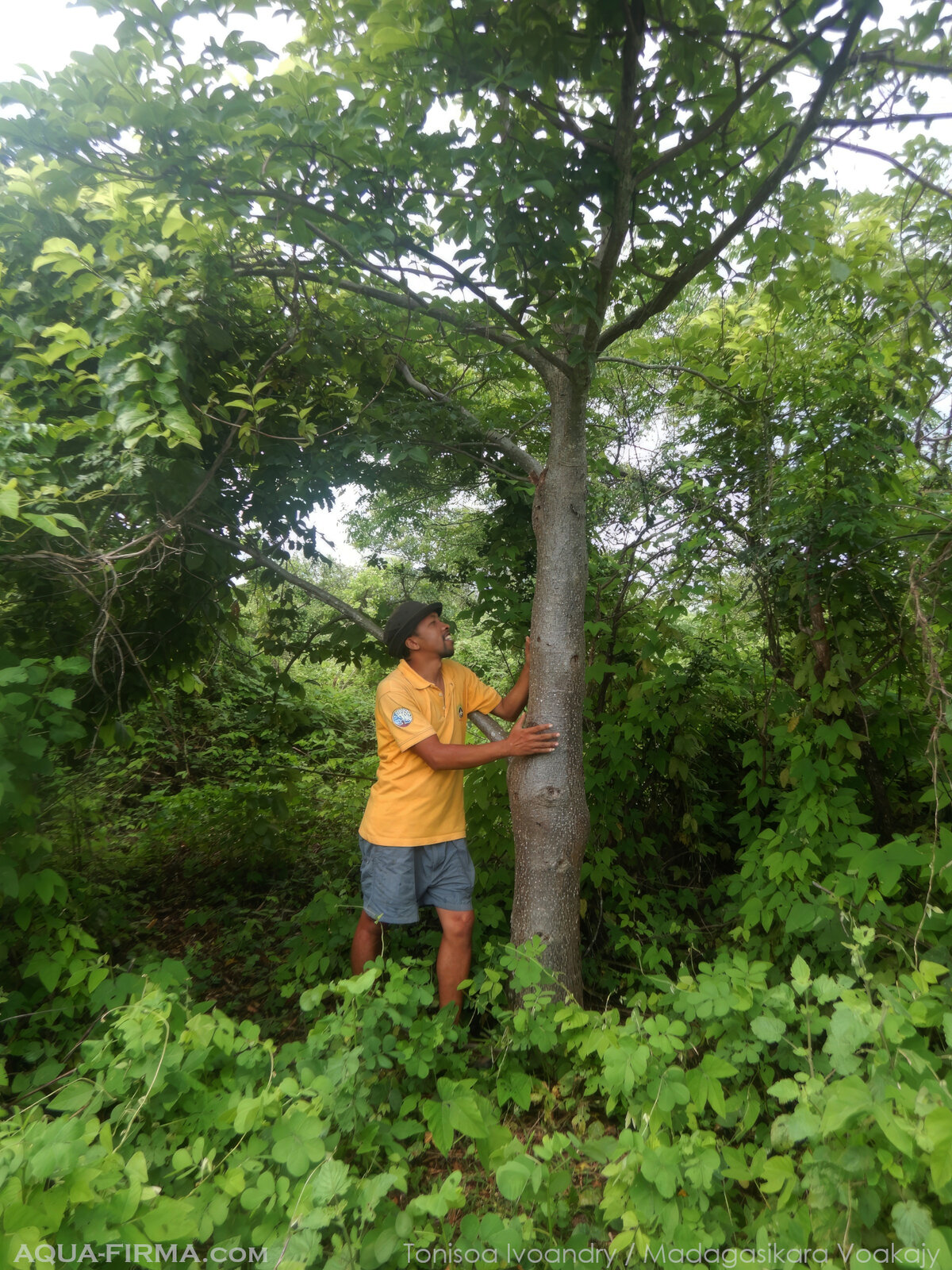
Our first step has been to fund a nursery and nursery staff, to propagate 3,000 native trees for a reserve in the far north of Madagascar called Babaomby. Local people who live in this area understand that trees are essential for preventing their land from drying out, so it's a win for communities, trees and wildlife. The first 3,000 native trees will primarily be other species, including the locally endemic Suarez Baobab (Adansonia suarezensis) and the huge Grandidier's baobab, of which around 80,000 already grow in the Babaomby area.
Step two is an expedition to collect fallen fruit from around the few Perrier's Baobabs which survive in the wild. This is now estimated to be about 200 plants, of which some are found within the existing protected areas of Ankarana, Amber Mountain National Park, Loky Manambato and Ampasindava. Fruits will be taken to the nursery and the seeds within boiled for 16 seconds prior to planting. The plan is to protect and propagate the estimated 11,500 saplings for 2 years.
Eventually, the seedlings will be ready to plant. Tonisoa's research has identified that ideal locations for them to grow is open areas of shrub savannah and dry forest habitat - in particular on fertile soils with good water availability. In most of these locations, the Perrier's Baobab has already become extinct. This includes the Babaomby site, so a return will be a major step towards rebalancing the area's ecosystem. Around 2,000 Perrier's Baobabs are planned for Baboamby.
Regrowth at an existing restoration site called Marotaolana, has already been going well. The soil has good moisture content and this has been seen to promote rapid seedling growth, for trees which have already gone through early-stage germination and propagation.
Tonisoa continues to research ideal places to reintroduce Perrier's Baobabs. We look forward to the day when it will no longer be considered a Critically Endangered species; even if it will for evermore require humans to make sure some of its seeds germinate and mature.
Aqua-Firma can take you to see Perrier's Baobabs in the wild on our privately guided tailor-made Tsingy, Amber Mountain, Wildlife & Indian Ocean safaris. These trips form our year-round foundation for the exploration of northern mainland Madagascar, where we can find 7 species of lemur. These include Crowned Lemurs which leap amongst the knife-sharp limestone karst pinnacles of Ankarana.
We can also take you to walk amongst baobabs in dry forests in the west of the country, on our In Search of Fossas, Tsingy, Baobabs & Dancing Lemurs safaris. These journeys are also privately guided, incorporating the Avenue of Baobabs and Madagascar's most intense area for wild lemurs: the Kirindy National Park. Contact Us to speak with one of our Madagascar wilderness & wildlife travel consultants.
Photographs kindly provided by Tanisoa Ivoandry, Madagasikara Voakajy
Tsingy, Amber Mountain, Wildlife & Indian Ocean
Madagascar
FROM6 days privately guided
£1,850View detailsEnquire / Book