Panama Canal Rainforest & Cloud Forest Safari
Panama
10-day Wildlife & Birdlife itinerary through Panama's Rainforests & Mountains
View details
Enquire / Book
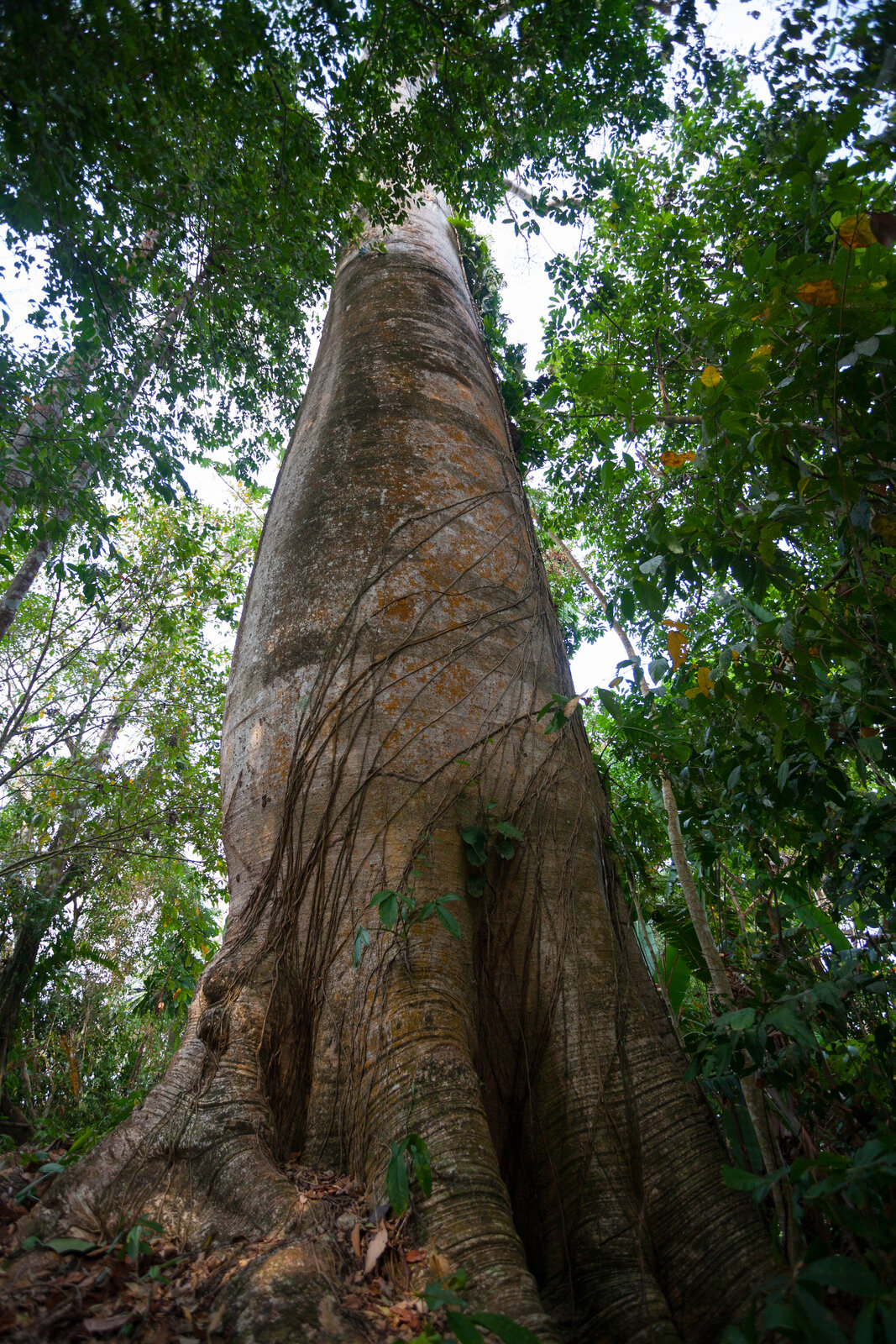
Panama is a slender land bridge of profound ecological importance, uniting two mighty continents and separating two great oceans. For the wildlife enthusiast, it is a destination of breathtaking biodiversity. Far beyond the engineering marvel of its famous canal, Panama boasts vast tracts of primary rainforest, volcanic peaks and bountiful marine habitats across both its Pacific and Caribbean coastlines.
Despite its accessibility, much of Panama remains a wild frontier. It harbours more bird species than the United States and Canada combined, alongside a mesmerising array of mammals, amphibians, and vibrant marine life. Whether you are observing the rainforest canopy from a converted radar tower or sailing the pristine coastal waters, a journey to Panama offers a deeply immersive experience into some of Central America's most dynamic and untamed ecosystems.
The Aqua-Firma team has worked in above & below water travel and marine life conservation for more than 25 years, with detailed knowledge of some of Panama's most rewarding wilderness areas. Whether your passion is exploring primary rainforest ecosystems, scuba diving, snorkelling, specialised birdwatching or embarking on a tallship sailing voyage, our expertise ensures your itinerary is meticulously tailored to best match your timing, interests and budget.
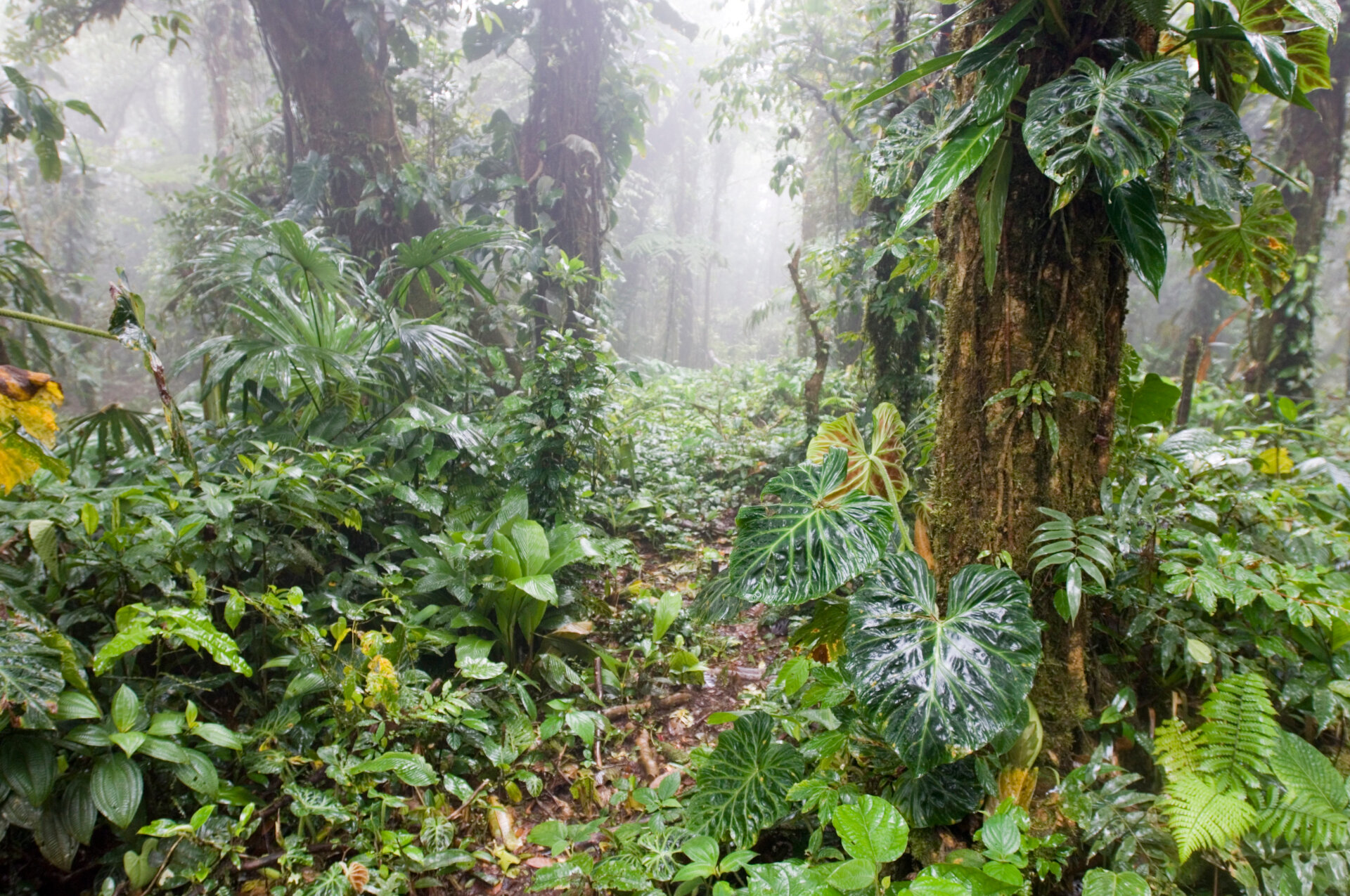
Some of the most abundant terrestrial wildlife in Panama can be observed in the rainforests skirting the edges of the Panama Canal. Here, human engineering and nature exist in striking proximity. Within Soberanía National Park, we can take you to observe the passage of towering container ships from the vantage point of a former US radar tower – now an iconic lodge situated directly within the rainforest canopy.
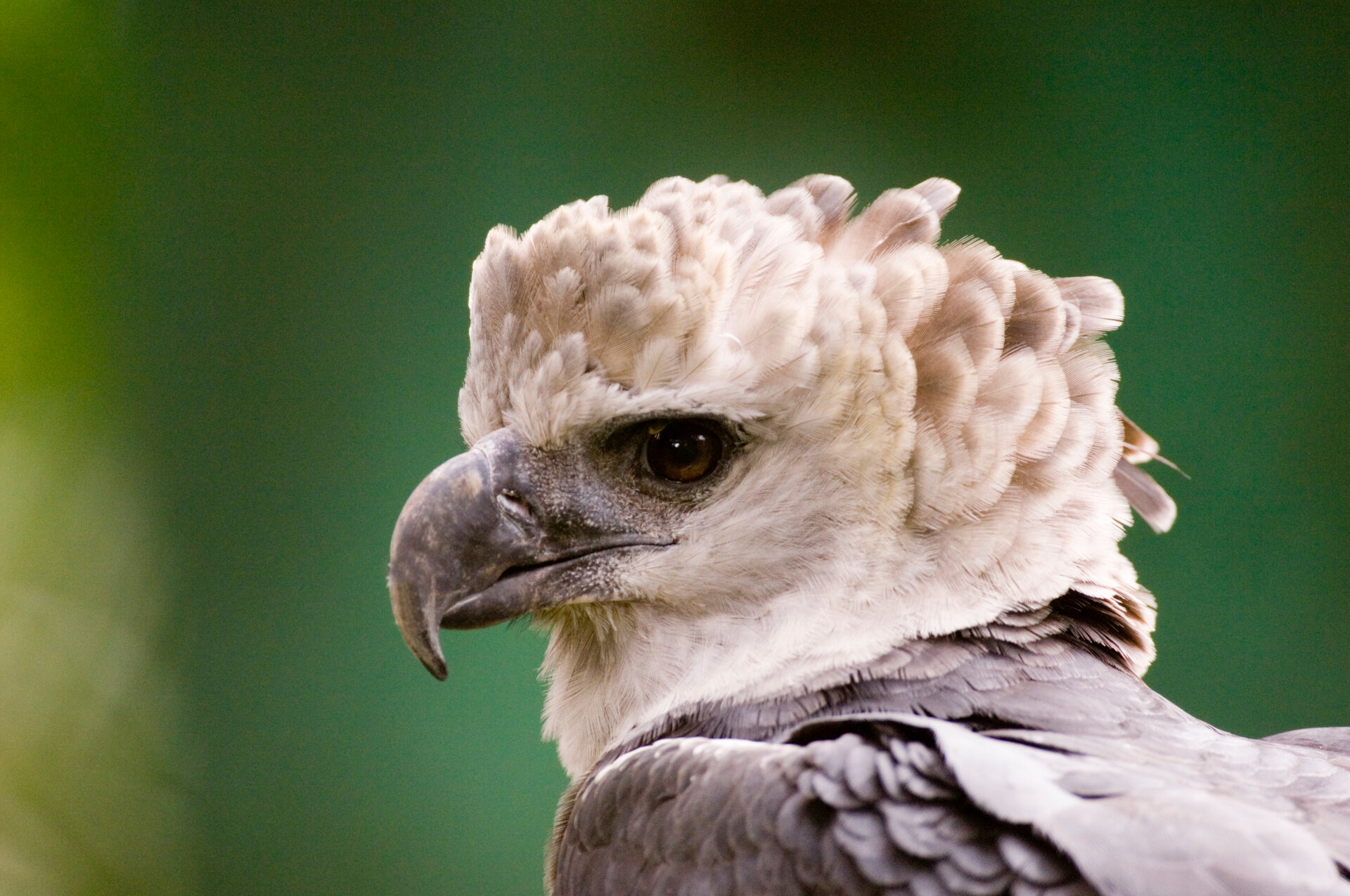
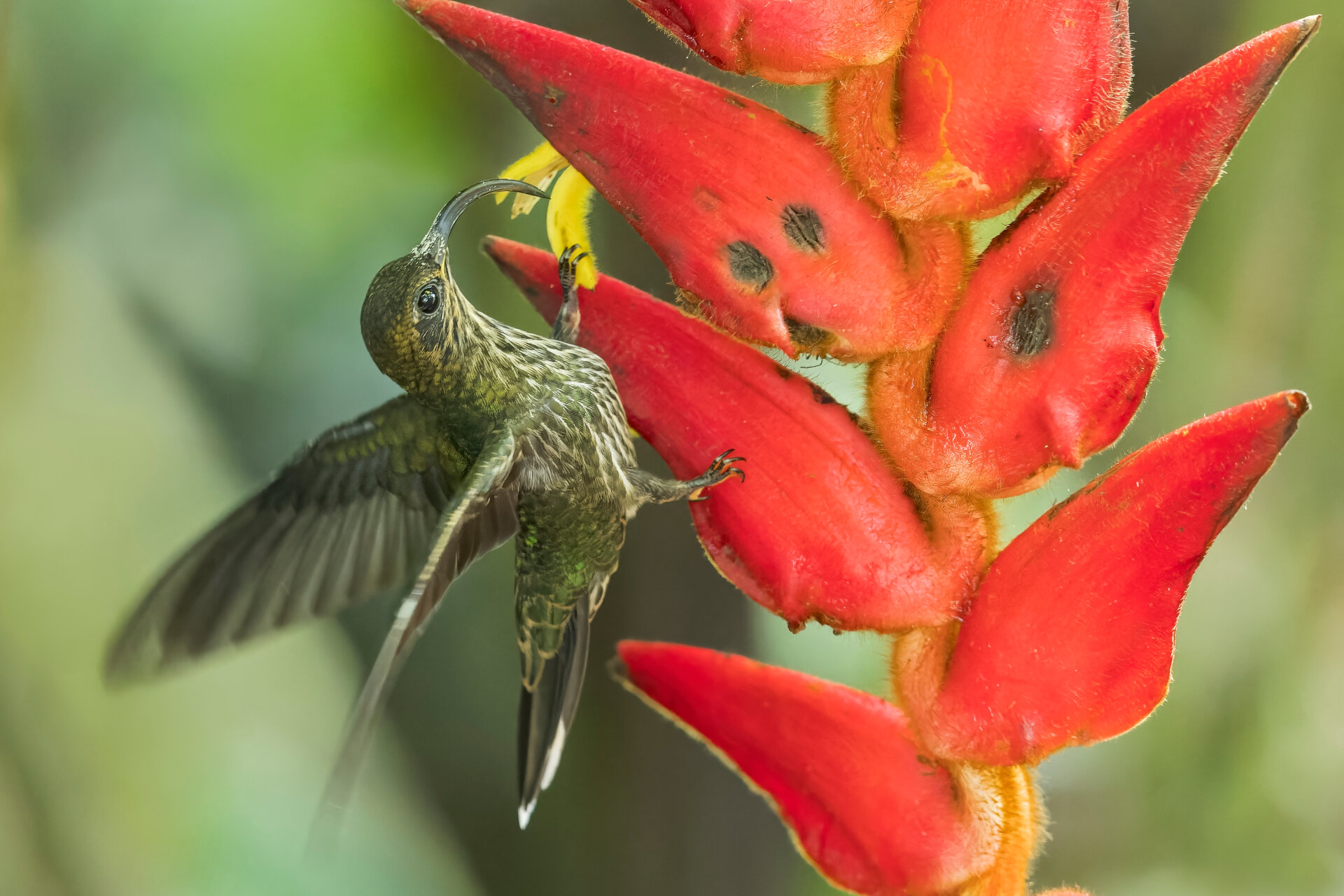
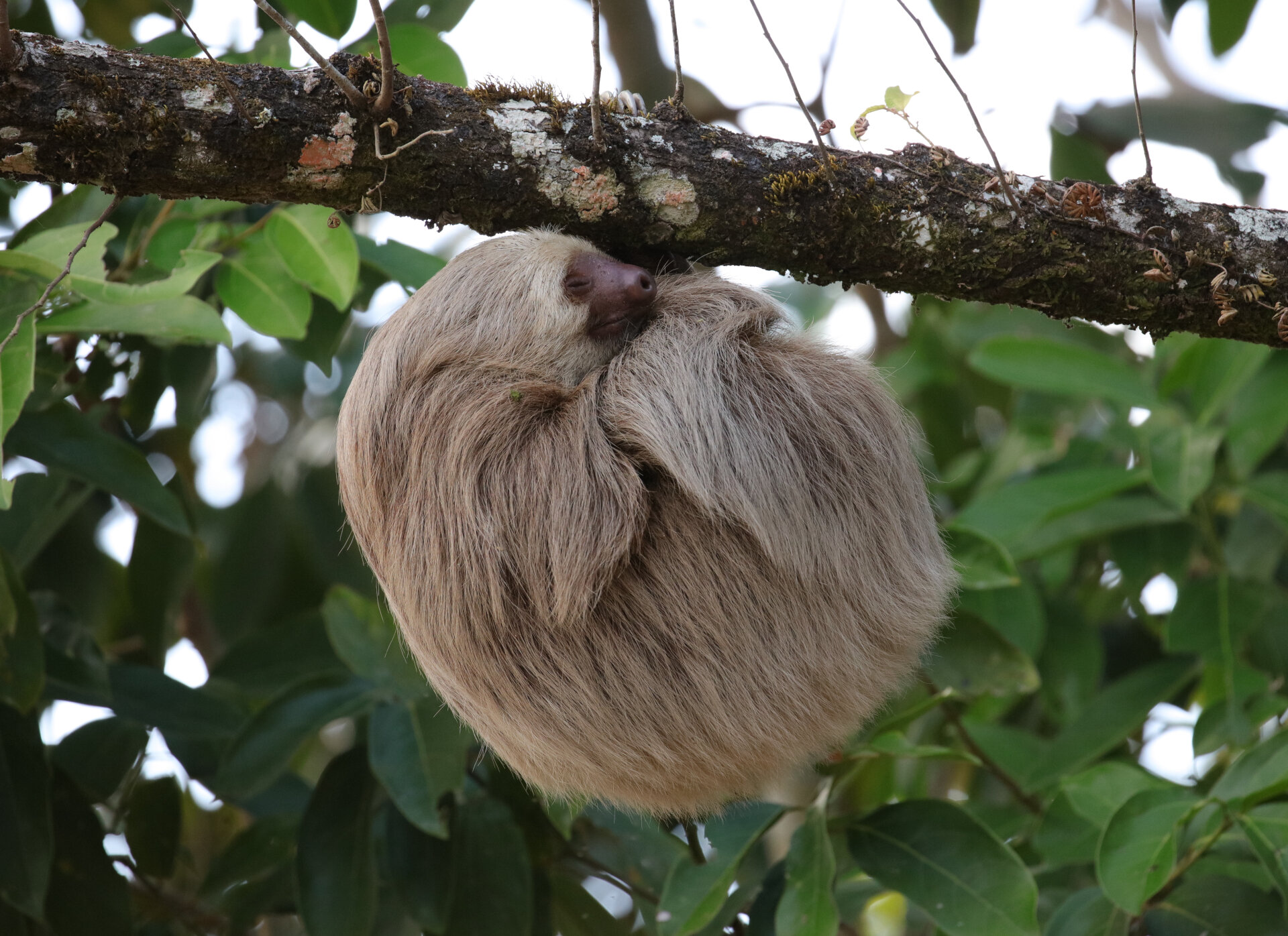
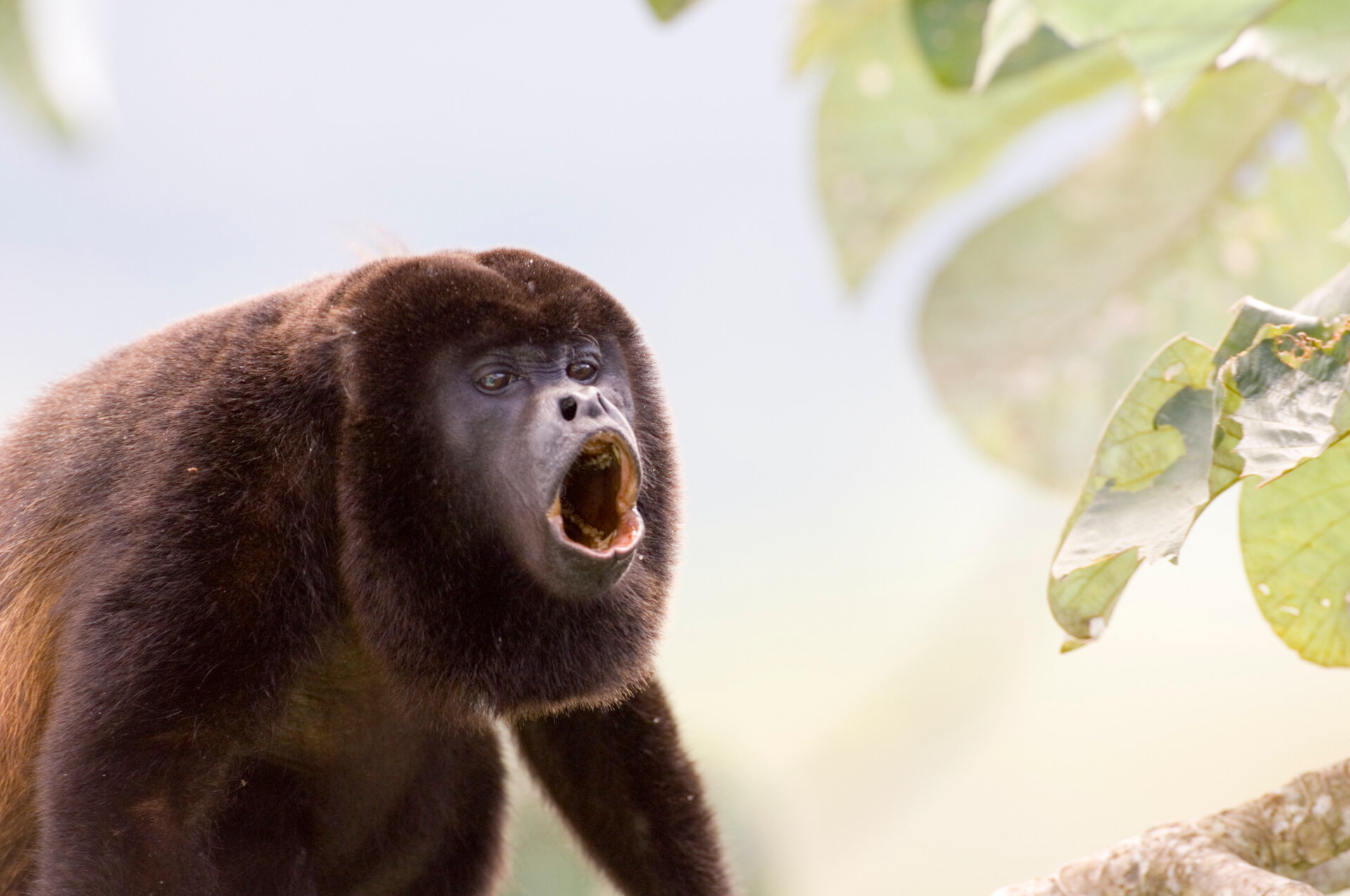
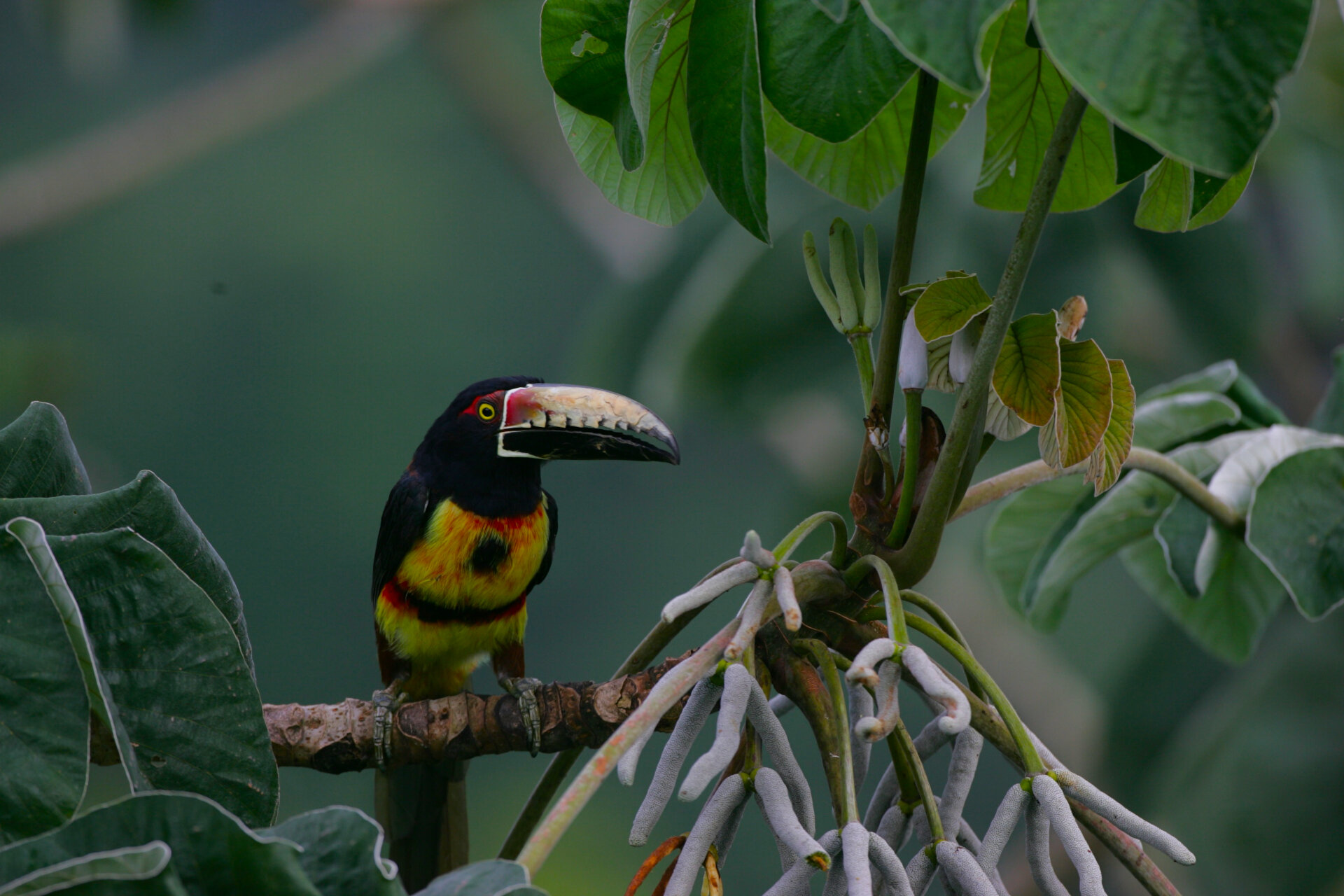
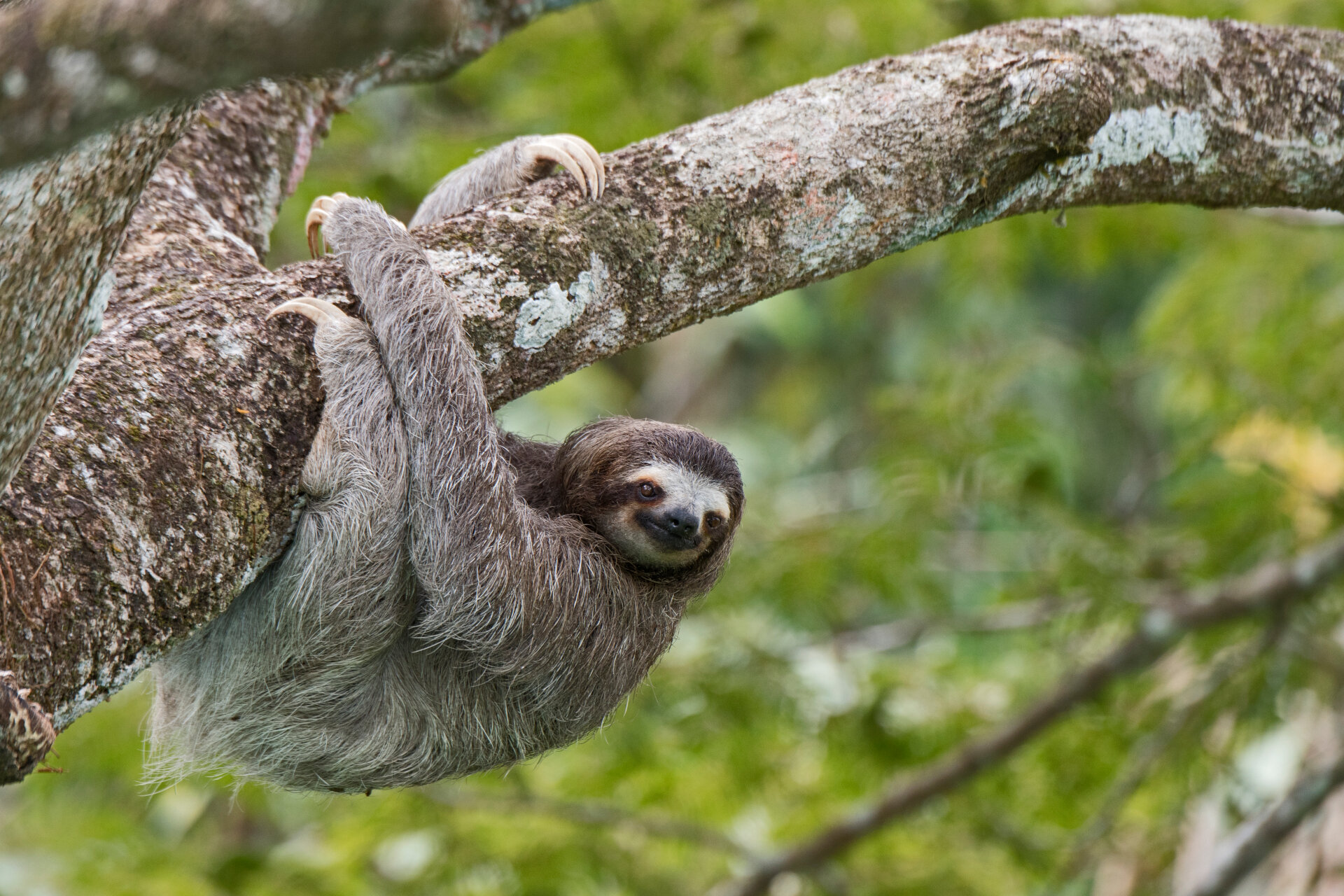
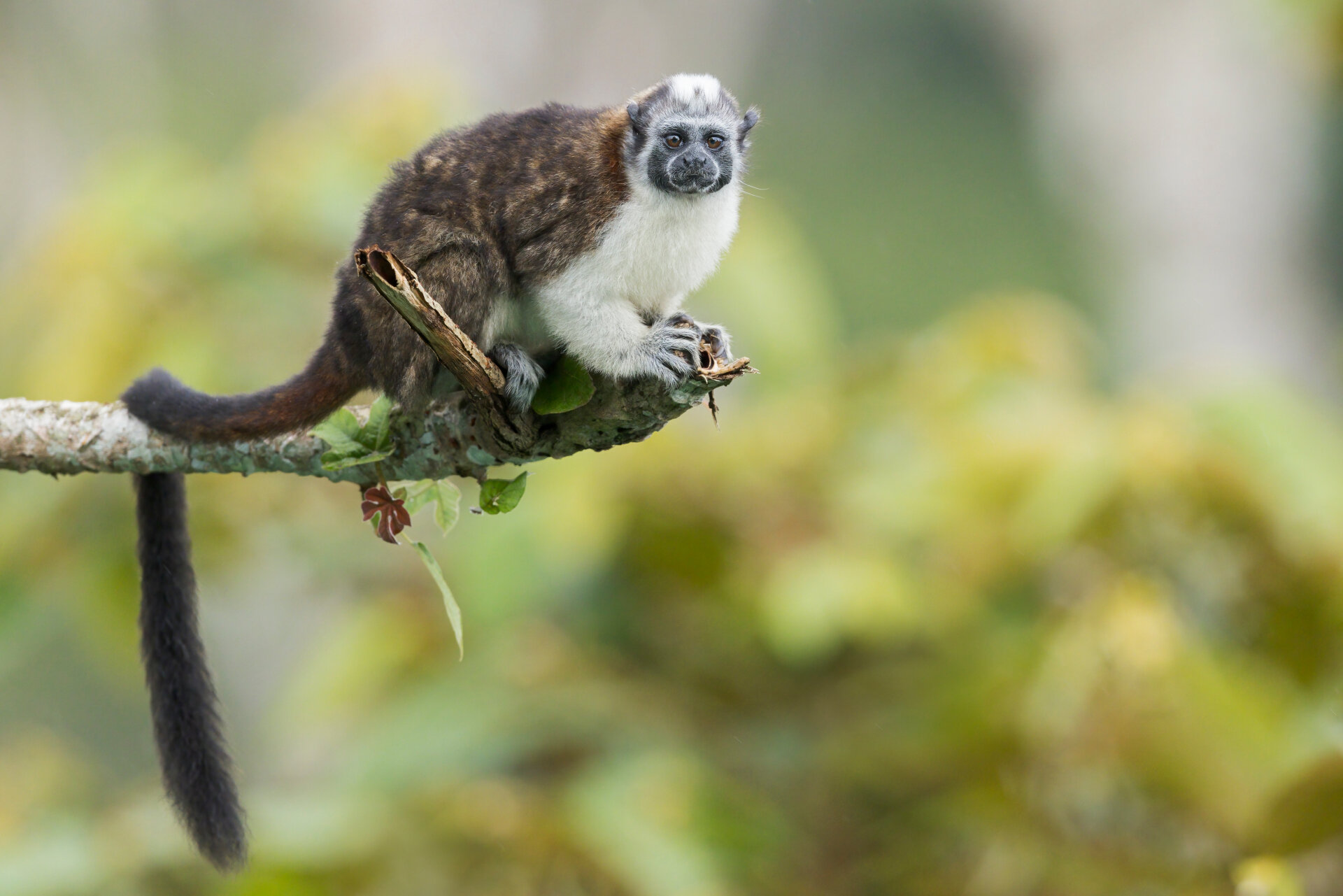
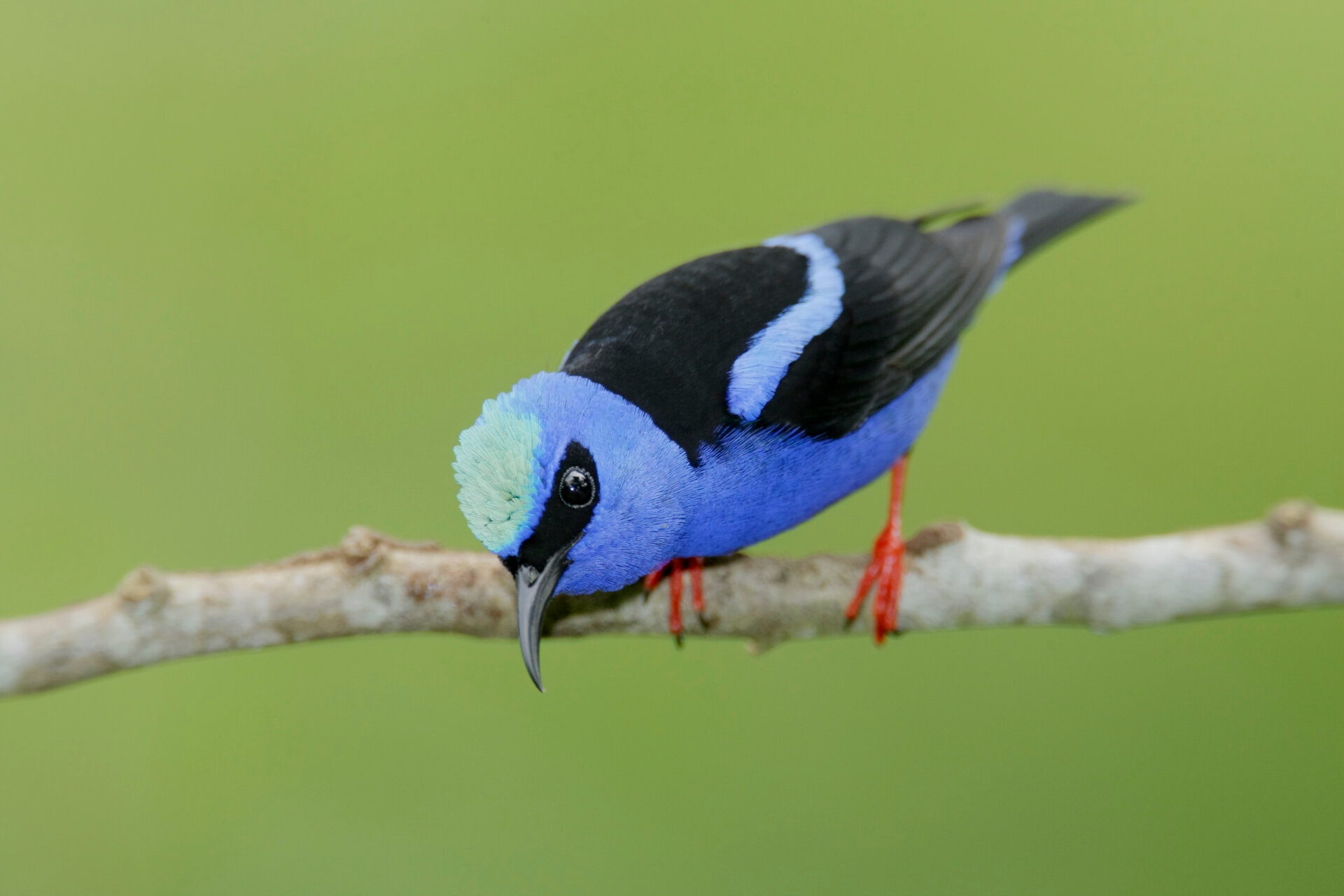
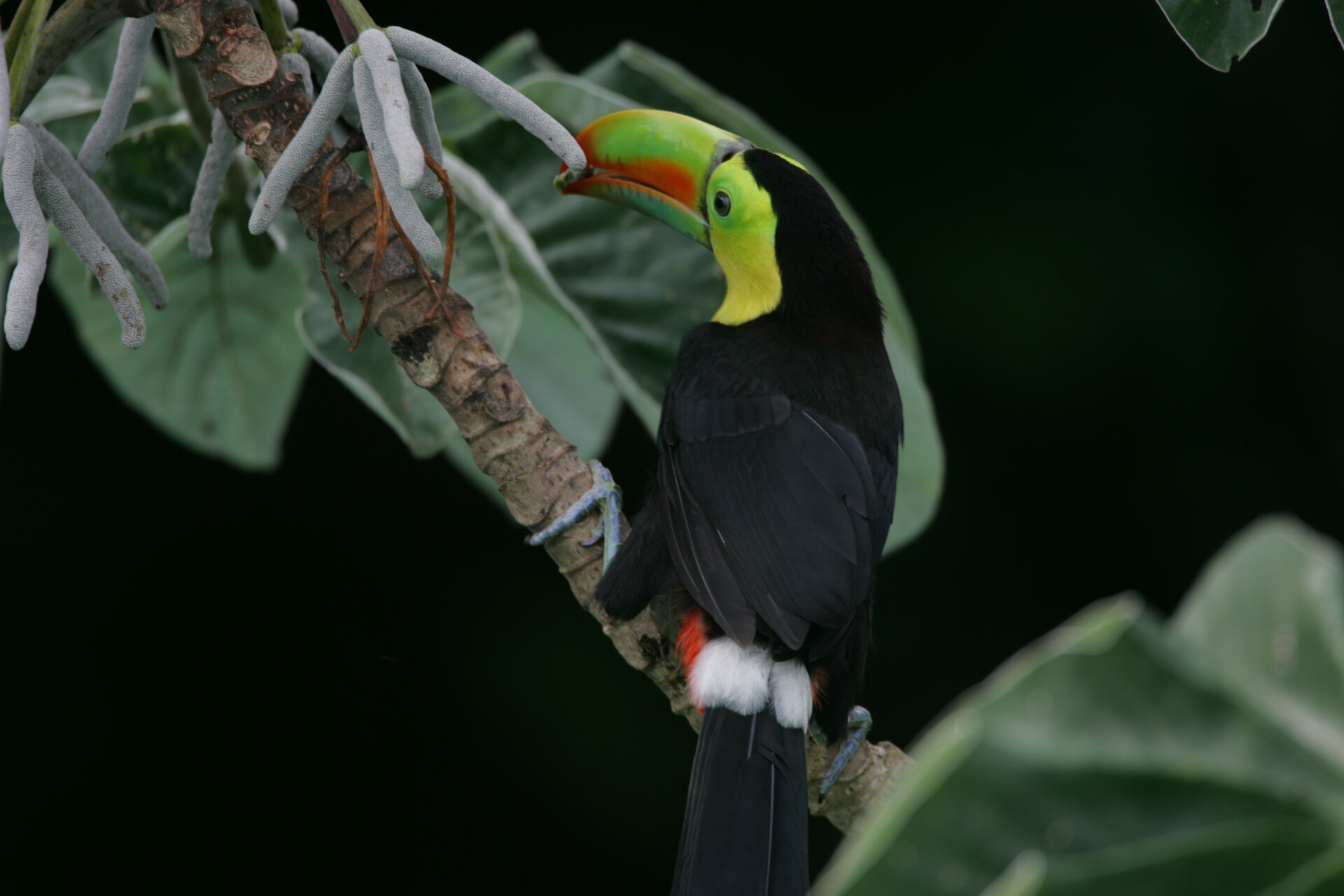
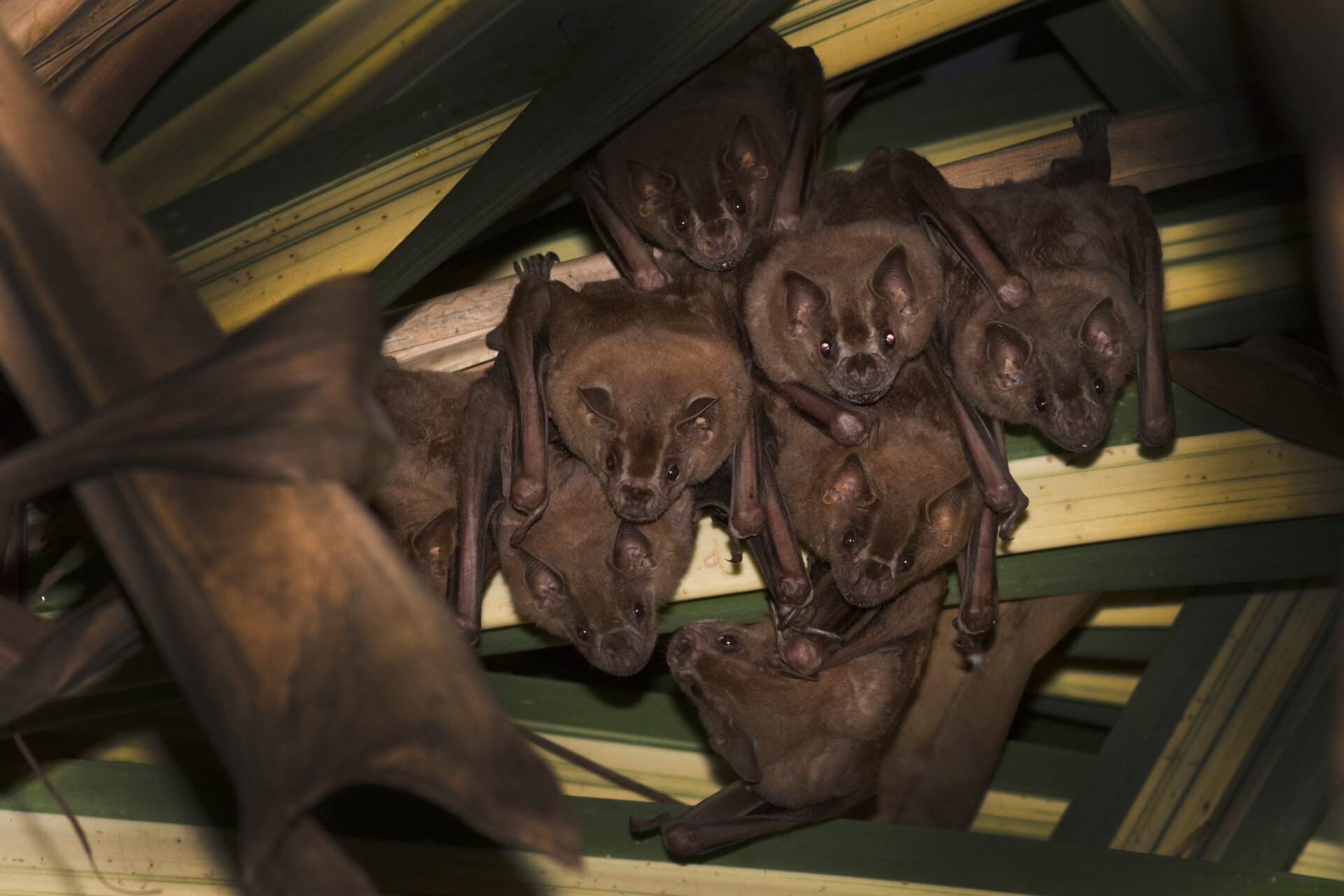
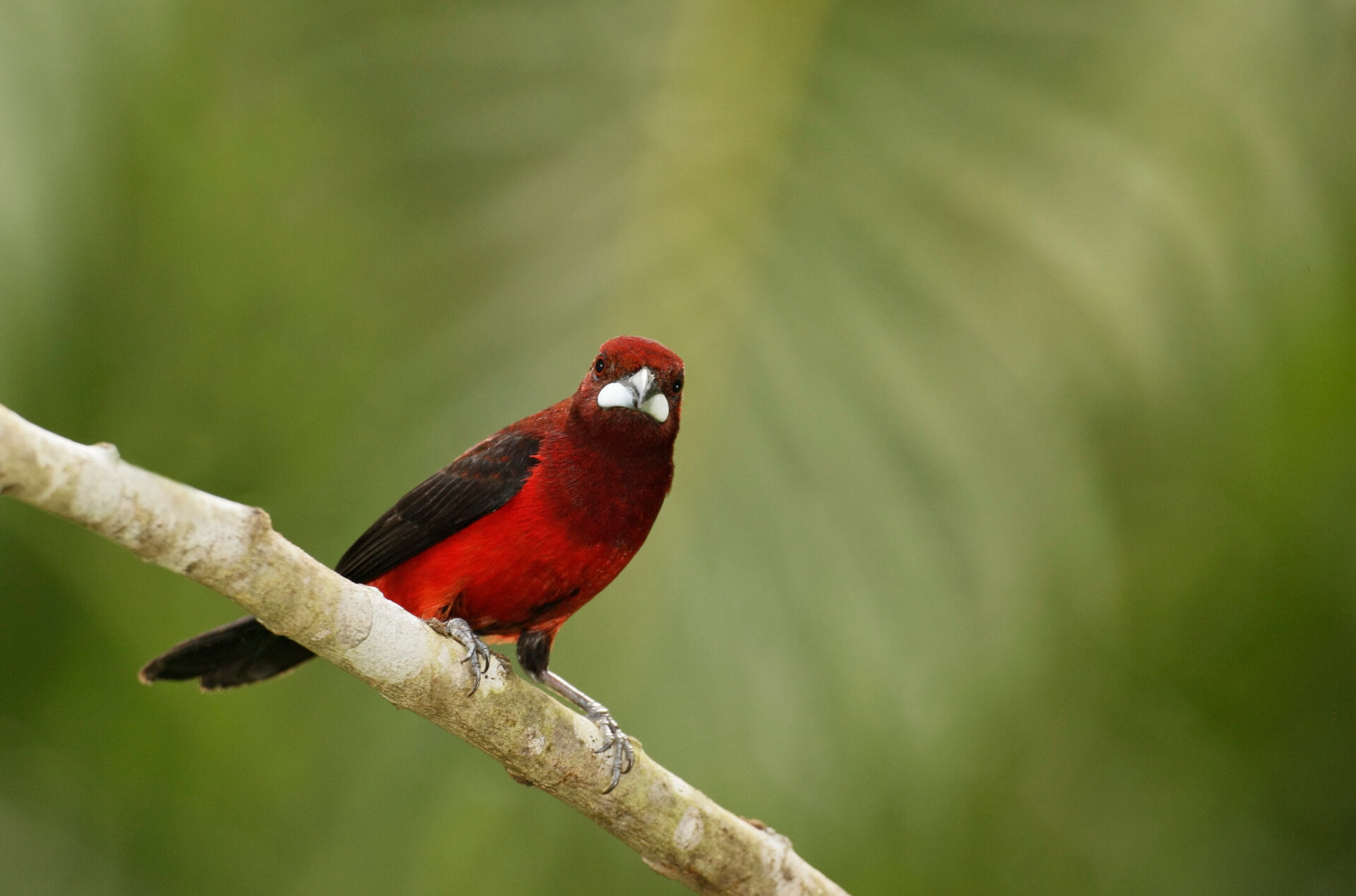
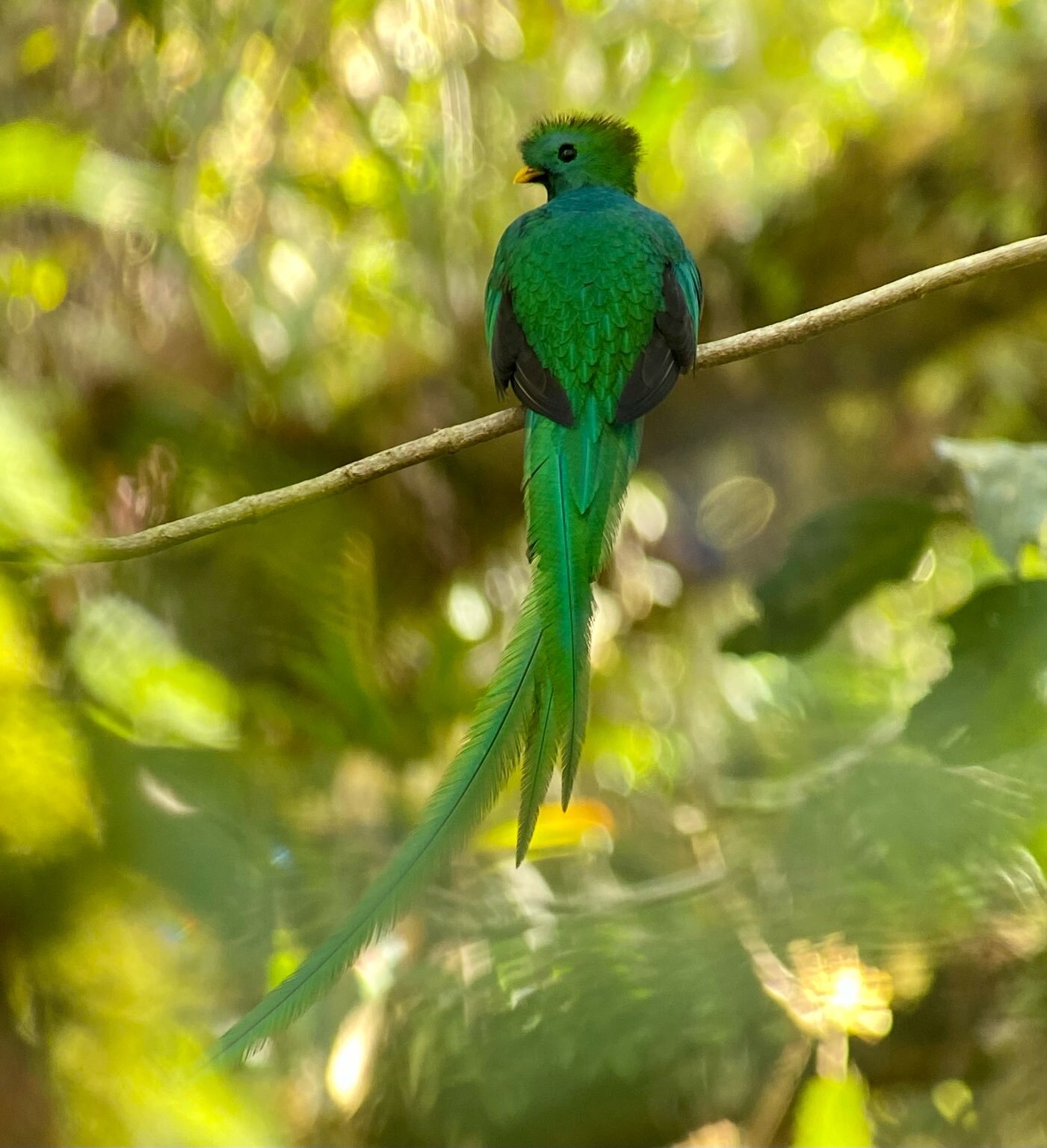
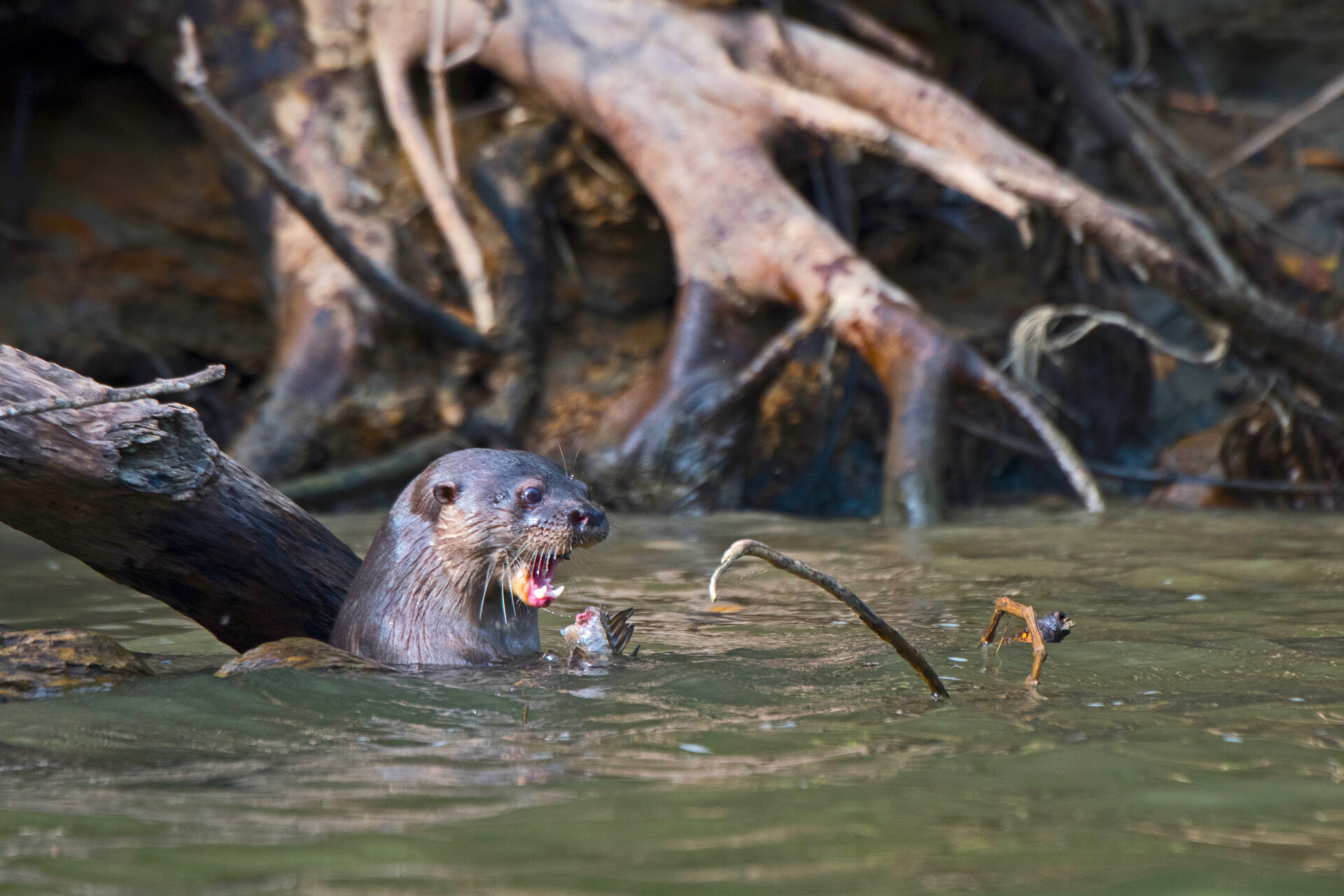
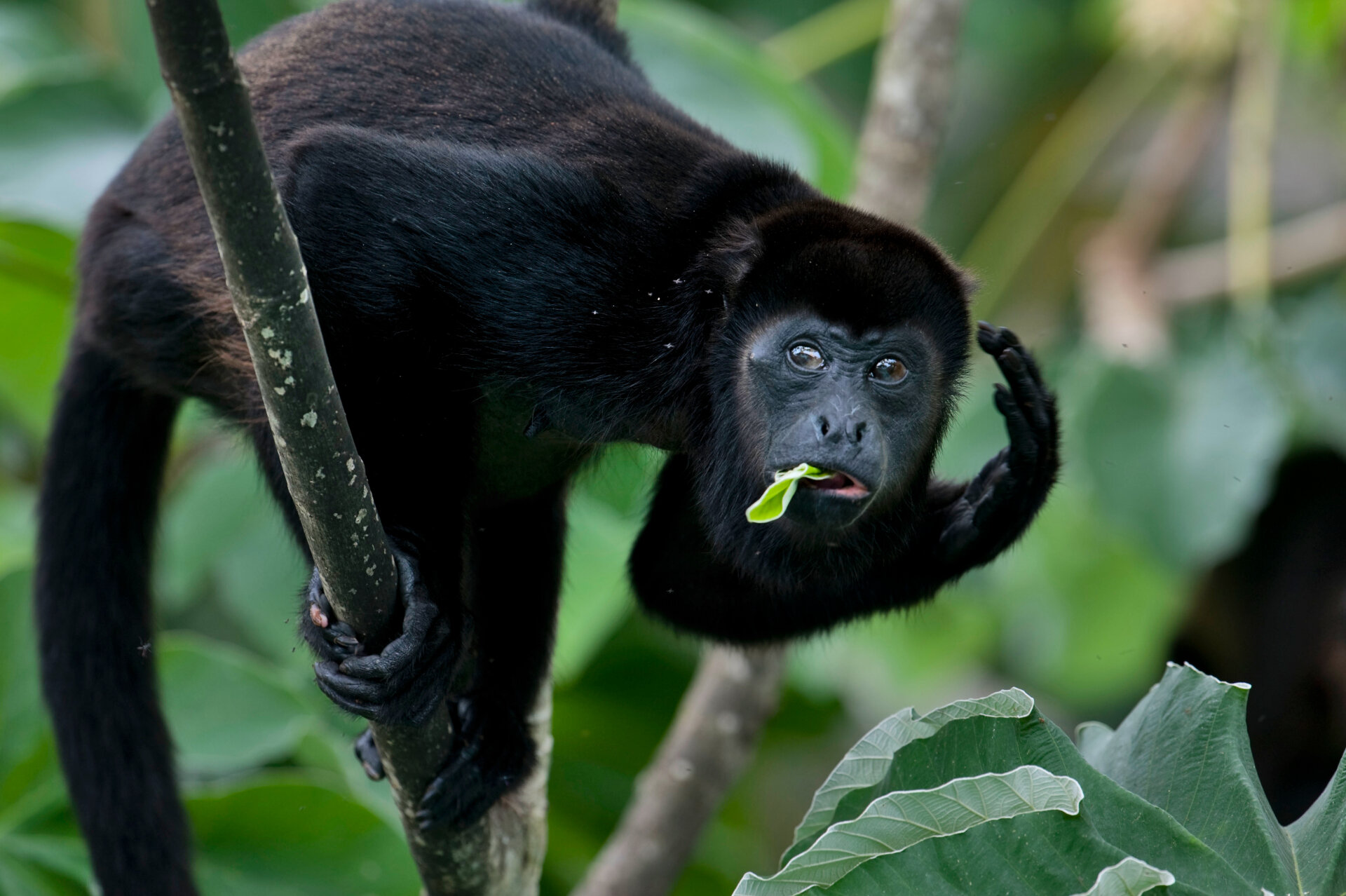
This region is world-renowned for bird watching. The famous Pipeline Road and its surrounding wet grasslands are home to an astonishing 596 recorded bird species, including Keel-billed Toucans, Collared Aracaris and up to 34 distinct species of Hummingbird. Mammal sightings are also frequent compared to other Neotropical destinations; it is common to encounter both two-toed and three-toed sloths, mantled Howler Monkeys, white-faced capuchins, white-nosed coatis, Capybaras and agoutis.
A profound highlight of this region is navigating the waters of Lake Gatun to visit Barro Colorado Island. Administered by the Smithsonian Tropical Research Institute, this island is one of the most intensively researched rainforest habitats in Latin America. Exploring its trails guided by research-affiliated staff offers a fascinating insight into eight decades of continuous tropical ecology studies, providing deep context to the flora and fauna you will encounter.
Panama’s unique geography provides access to two vastly different marine environments: the Caribbean Sea and the Pacific Ocean. The Pacific coast is home to the spectacular Coiba National Park, often referred to as the 'Galapagos of Central America'. This UNESCO World Heritage site is a marine reserve of exceptional biodiversity, offering some of the finest diving and snorkelling in the region. Upwelling nutrient-rich currents attract large pelagic species, including reef sharks, Manta Rays, and migrating Humpback Whales.
Conversely, the Caribbean coast offers a patchwork of coral reefs, mangrove forests and seagrass beds; particularly around the Bocas del Toro archipelago. These sheltered waters support tropical reef fish, sea turtles and dolphins - a pleasant contrast to the pelagic encounters of the Pacific coast.
We provide the opportunity to explore Panama’s magnificent coastlines and remote islands aboard our carefully selected expedition vessels and classic tall ships, such as the Sea Cloud fleet. Carrying a limited number of guests in an intimate atmosphere of like-minded travellers, these vessels evoke a romantic, expeditionary sense of adventure that comes with moving as one with nature.
Voyages through Panamanian waters – often including a transit of the awe-inspiring Panama Canal before continuing towards Costa Rica or the Caribbean – are deeply enriched by the presence of expert naturalists, historians and sailors onboard. Setting out on small tender boats enables discreit access to hidden bays, shallow turquoise waters and uninhabited shorelines that larger cruise ships simply cannot reach.
Panama is a year-round destination, though its character shifts appreciably with the seasons. The dry season runs from mid-December to mid-April, offering the most consistent sunshine and excellent conditions for forest trails. The 'green' season, from May to November, brings frequent tropical rain showers but rewards visitors with lush landscapes and heightened amphibian activity.
For birdwatchers, mid-September to mid-December is a spectacular period, as the great avian migration sees millions of birds travelling overhead from North America towards warmer southern climes. For marine enthusiasts, humpback whales arrive on the Pacific coast to breed and calve, with peak sightings typically occurring between July and October.