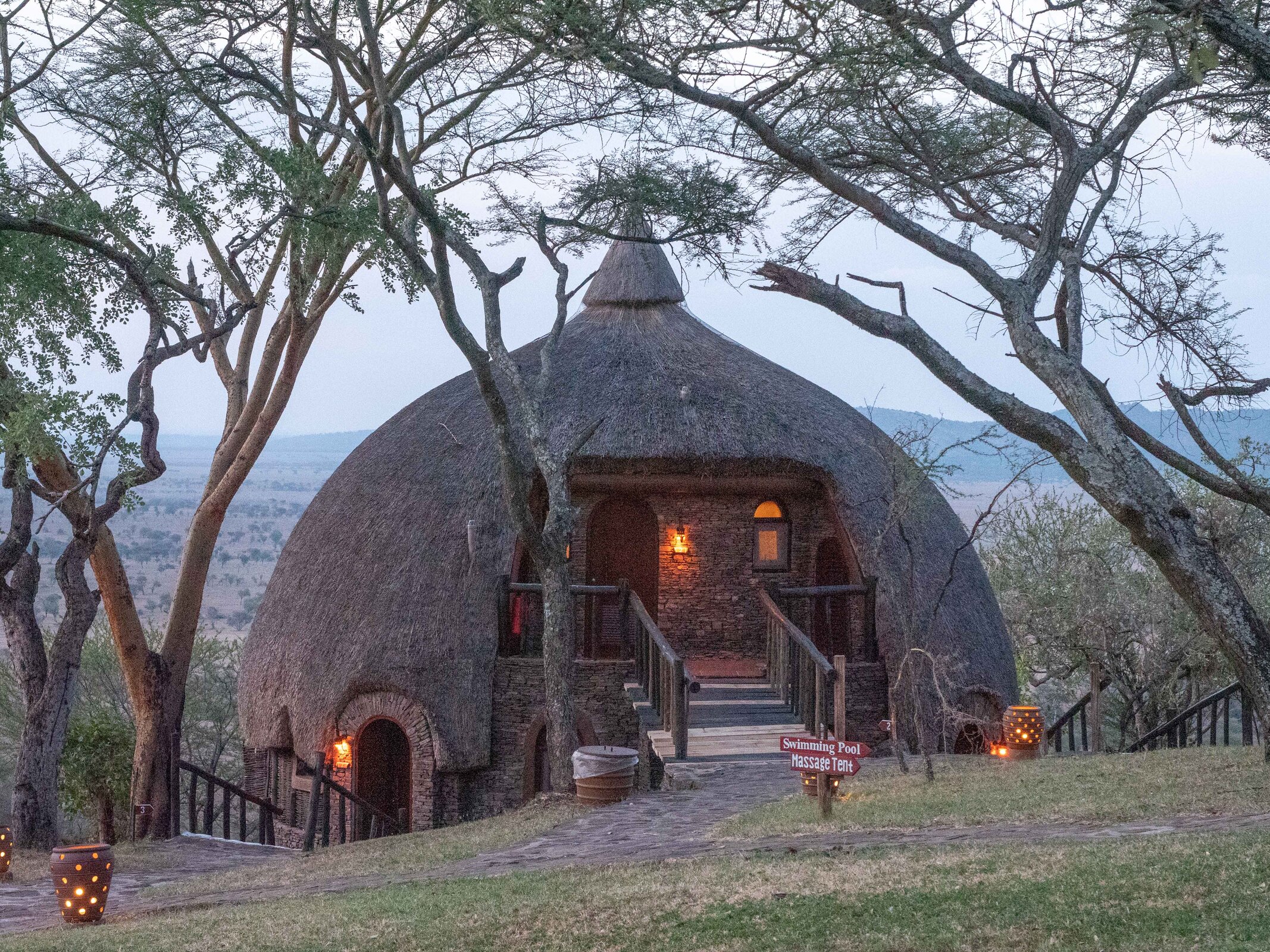
We run our Great Migration & North Tanzania Safaris privately year around, but from 8th - 14th December 2025 Aqua-Firma director & photographer, Ralph Pannell, hosted a group version … and this is what he saw. Ralph will next host one of these safaris 9th - 15th December, 2026.
Short rains usually arrive in Tanzania in early November, but this, a la Nina year, they had hardly touched North Tanzania's savannahs by early December, appearing much like I have seen them at the end of the dry season in October.
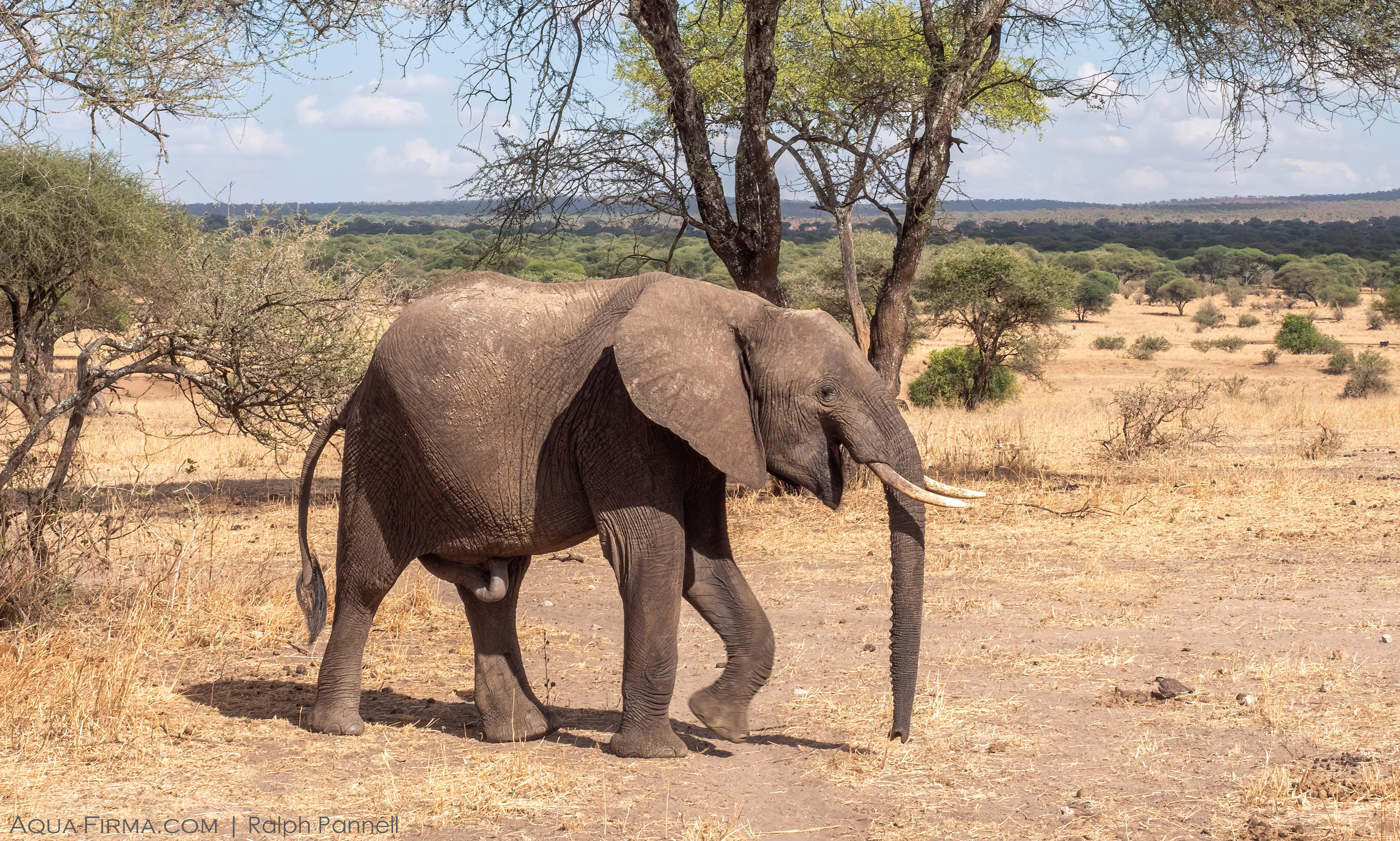
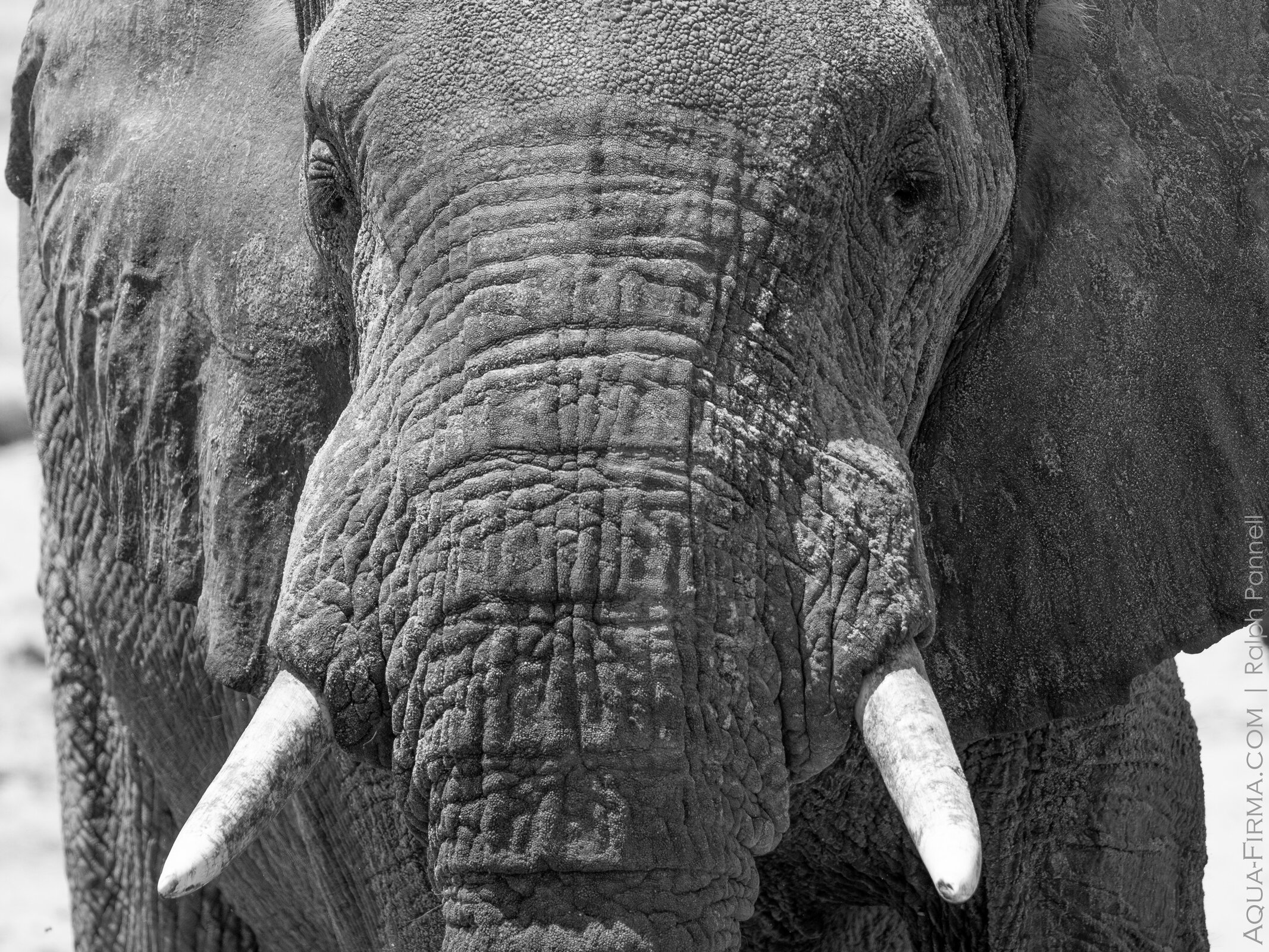
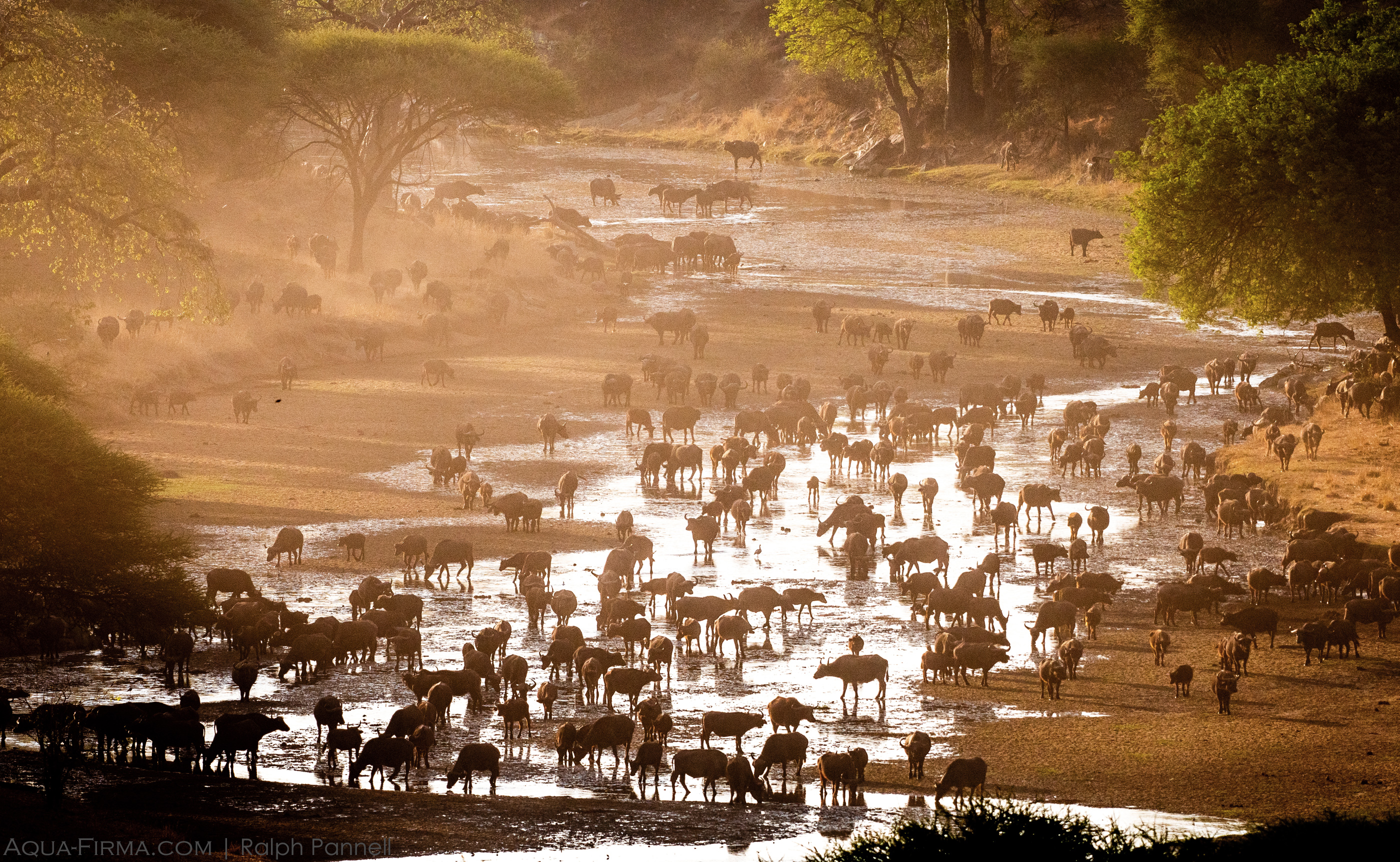
In Tarangire National Park, our first stop, herds of large grazers were still creating dust at sides of a Tarangire river getting low in water:
... with elephants digging the clay river bed for water in places; and water holes running low.
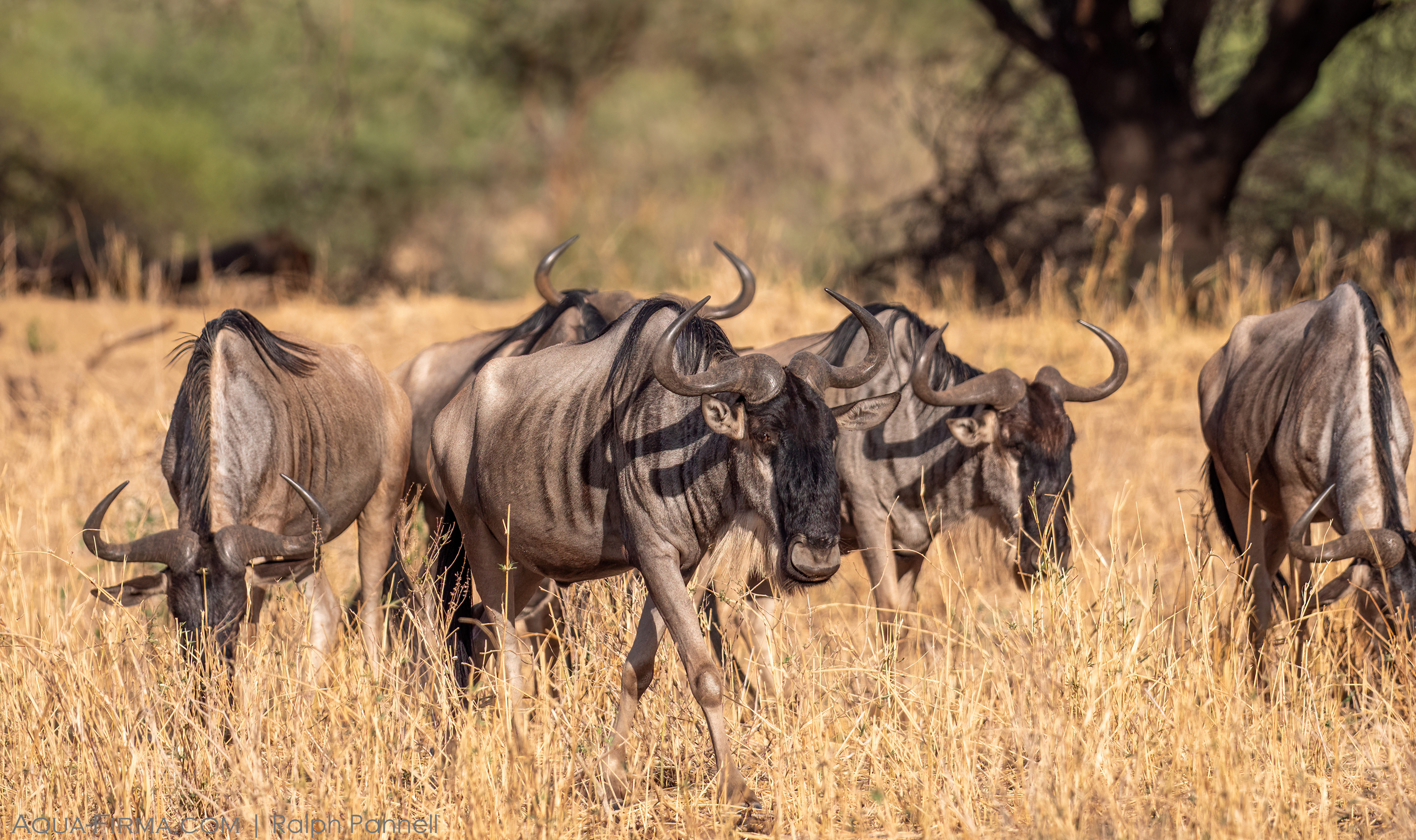
The Tarangire River Valley is a striking feature of the park - an artery of life flowing through the centre. Herds of Cape Buffalo aggregate in their hundreds, alongside resident Blue Wildebeest and the highest concentration of elephants anywhere in Africa.
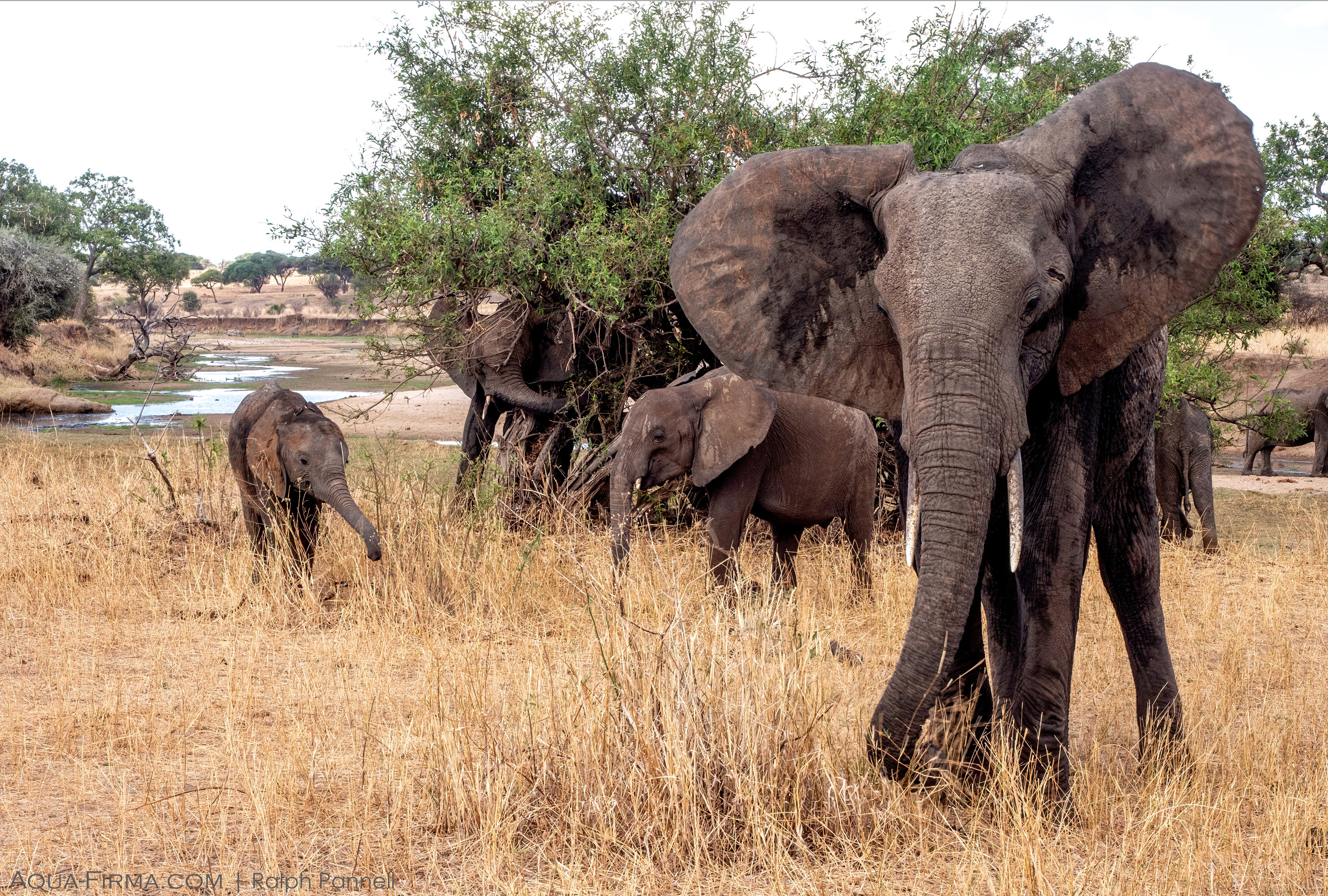
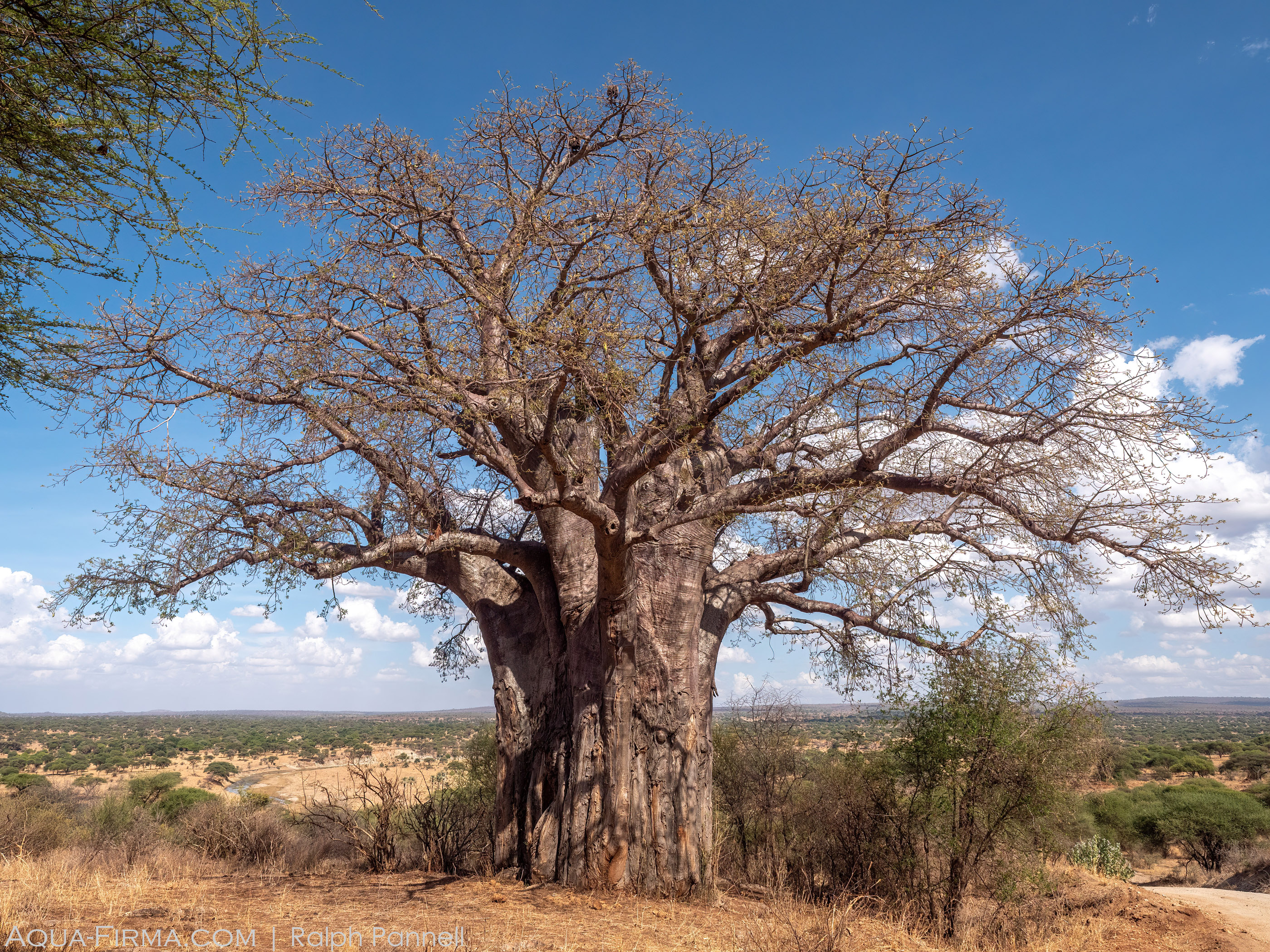
On higher ground, giant baobab trees and acacia trees are a source of life to the largest elephants and smallest termites, whose huge mounds demonstrate the scale of colonies which live within the red earth, out of the sun's rays.
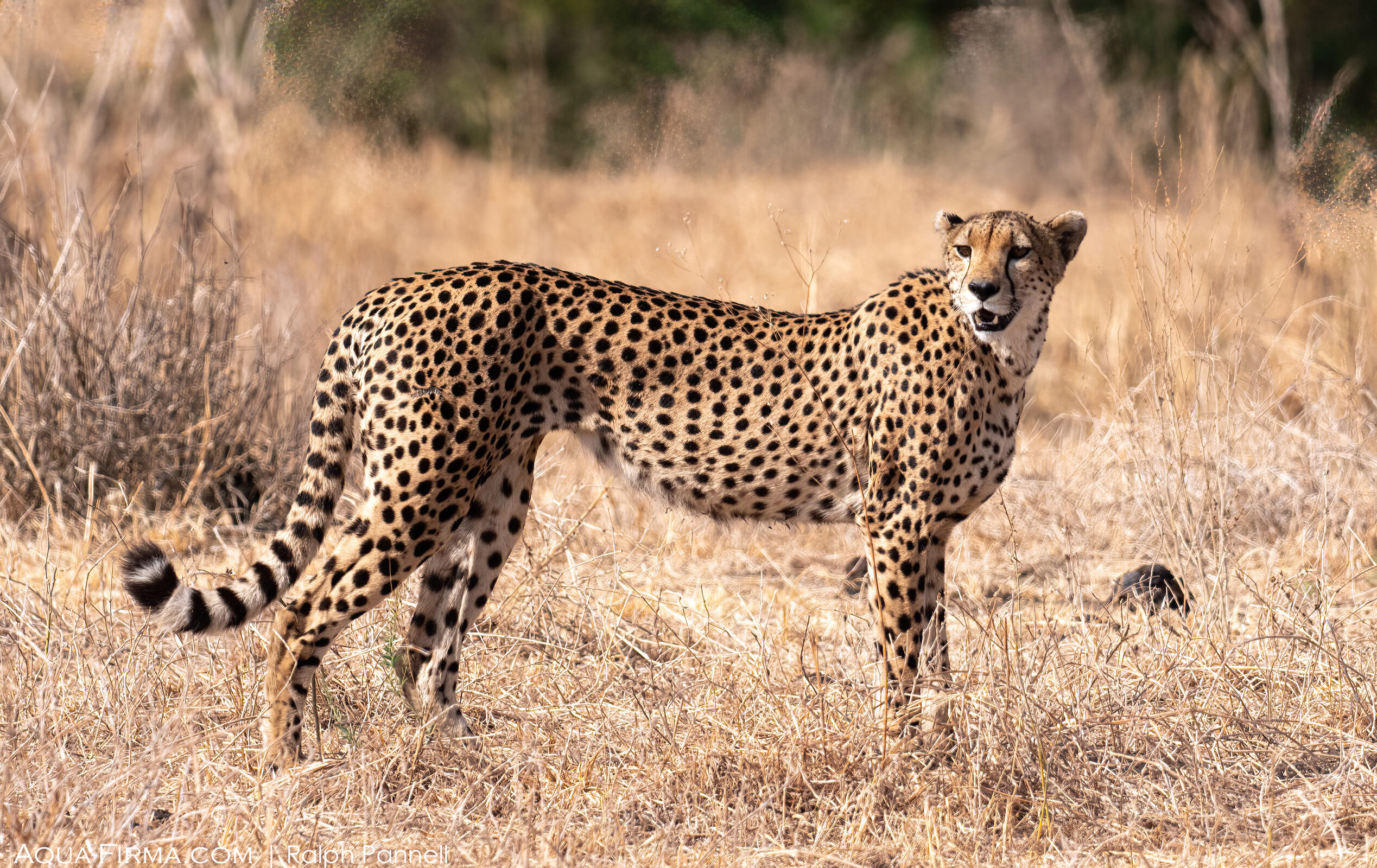
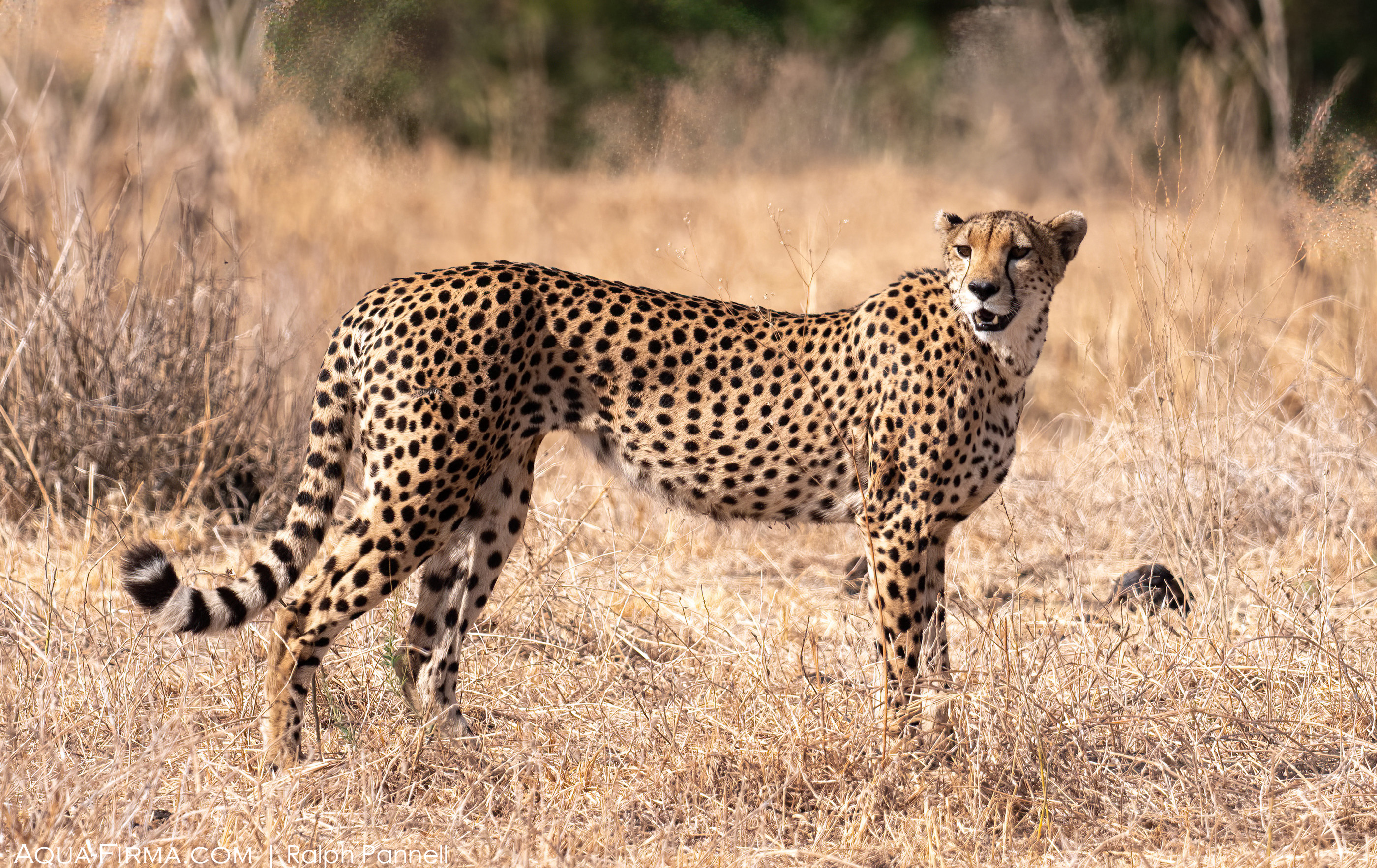
Of carnivores, sightings of a cheetah with two adolescent cubs was a particular treat. It will not be long before this mother will walk away from her cubs - returning to her solitary life - her training complete.
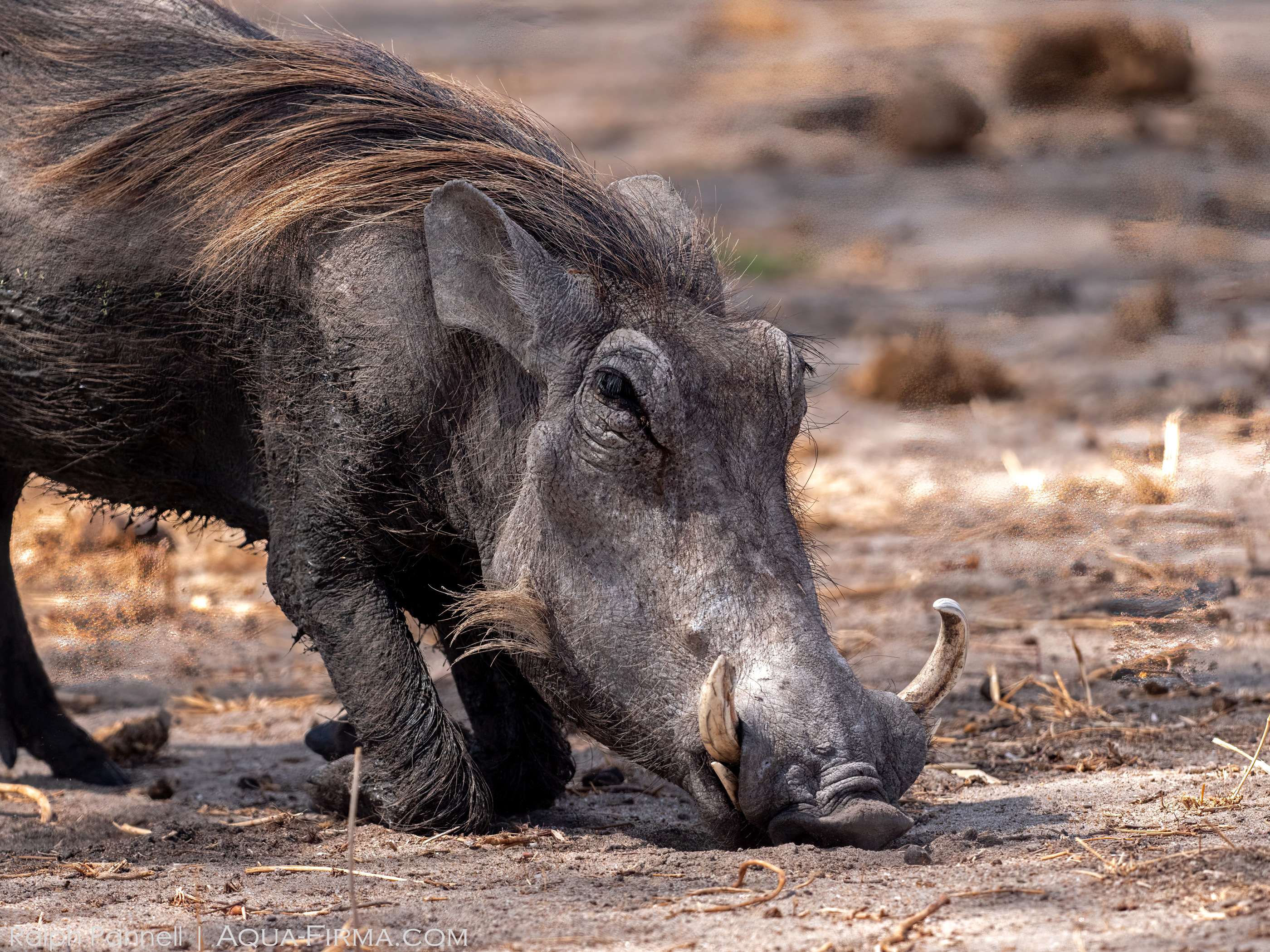
Prime cheetah game in the form of warthogs, both adults and young, were everywhere, grazing as if praying on bended knee.
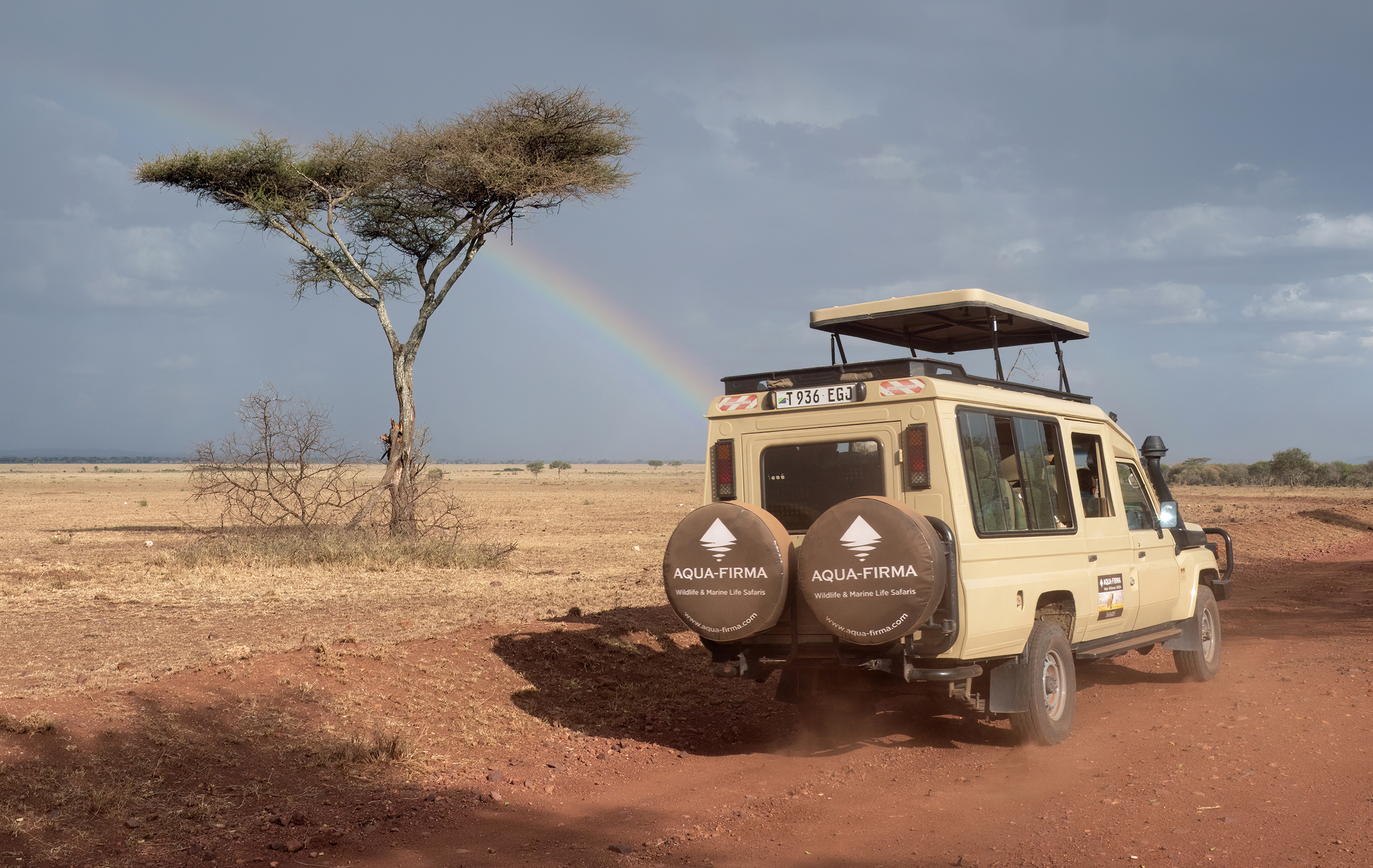
As we entered the Serengeti, only the faintest shoots of green were appearing across the vast short grass plains of the eastern section.
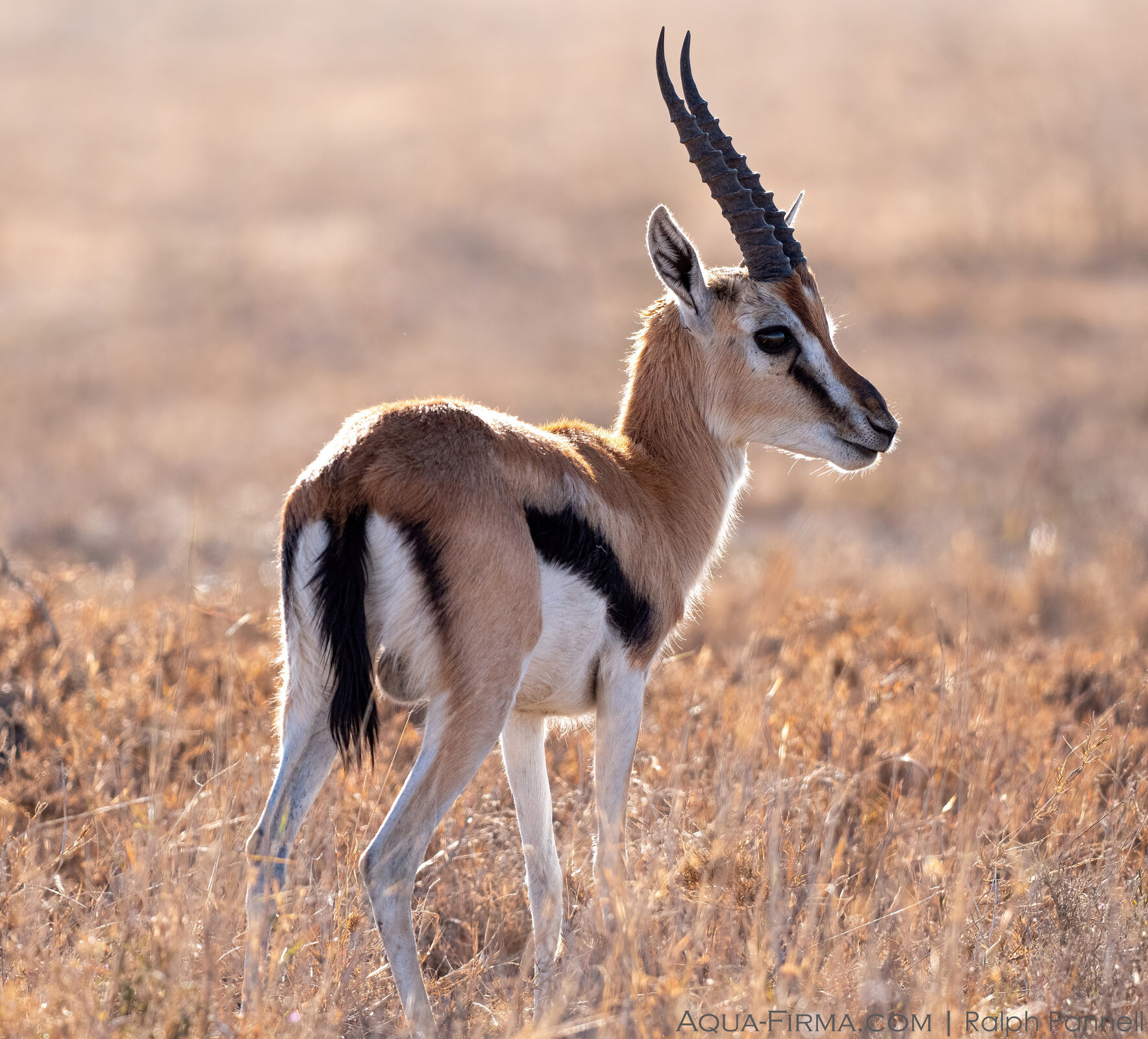
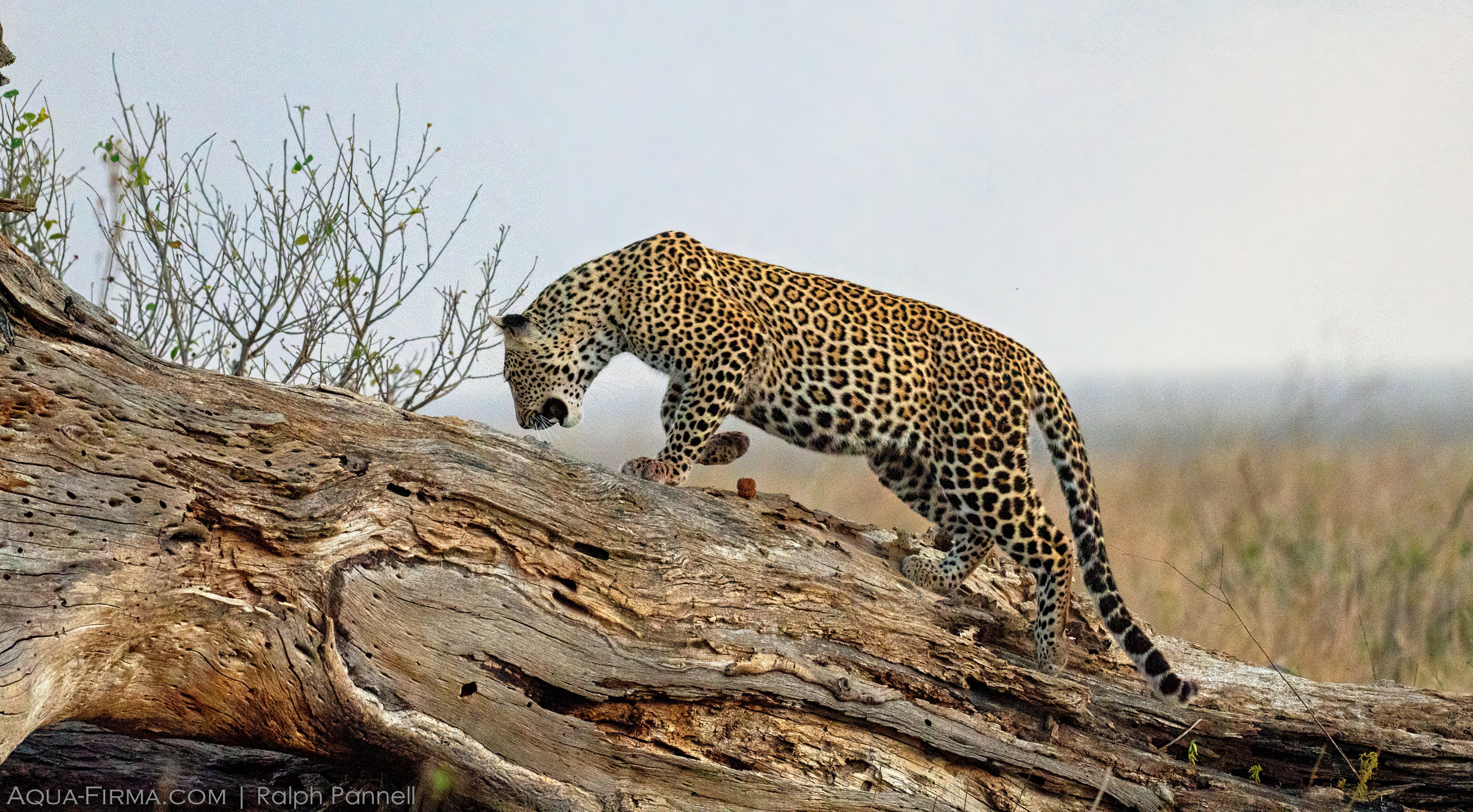
A sprinkling of Thomsons gazelles were the first of the migratory grazers to have reached the area, with the low grass levels most helpful in spotting spotted predators in the form of Serval Cats:
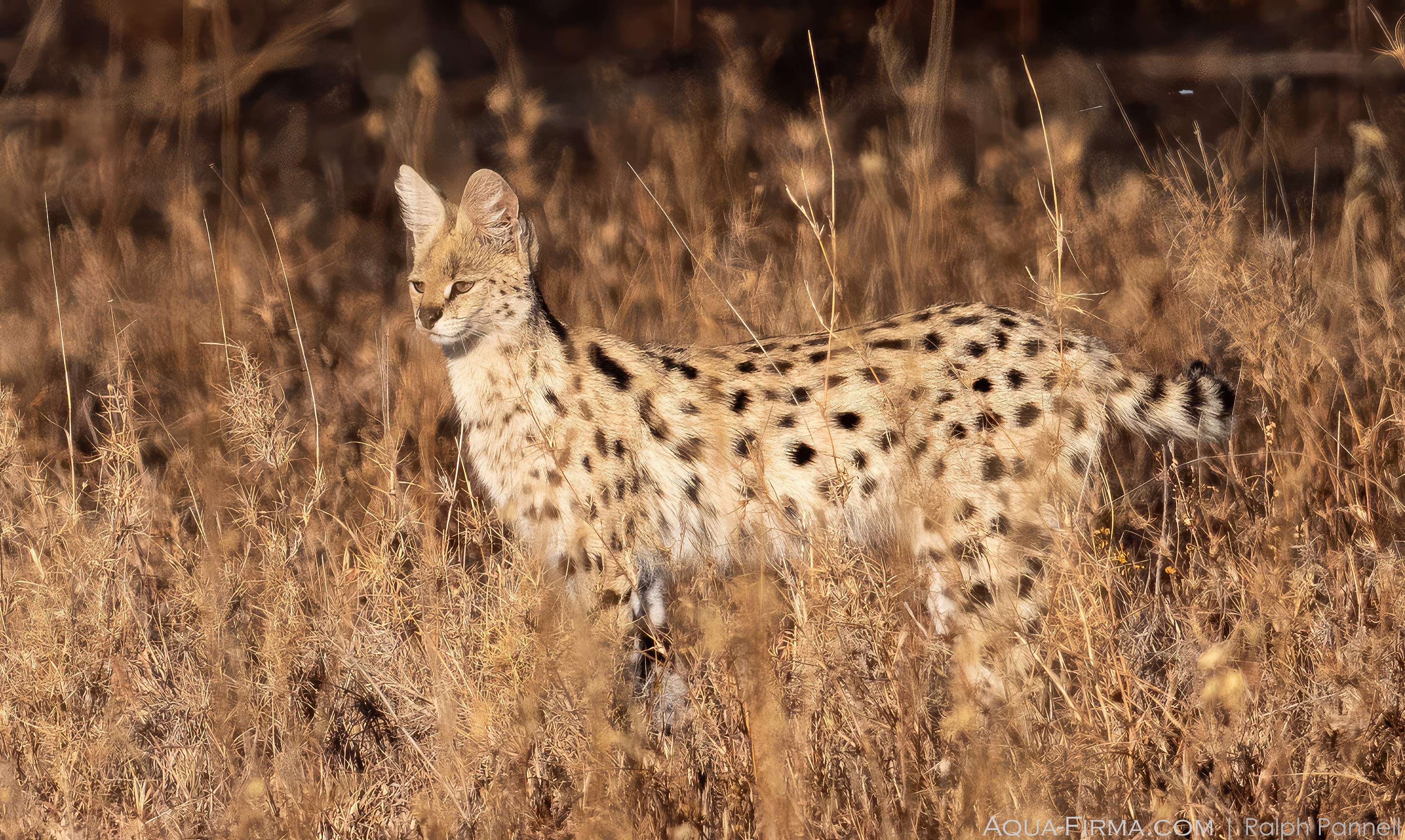
.... and Leopards:
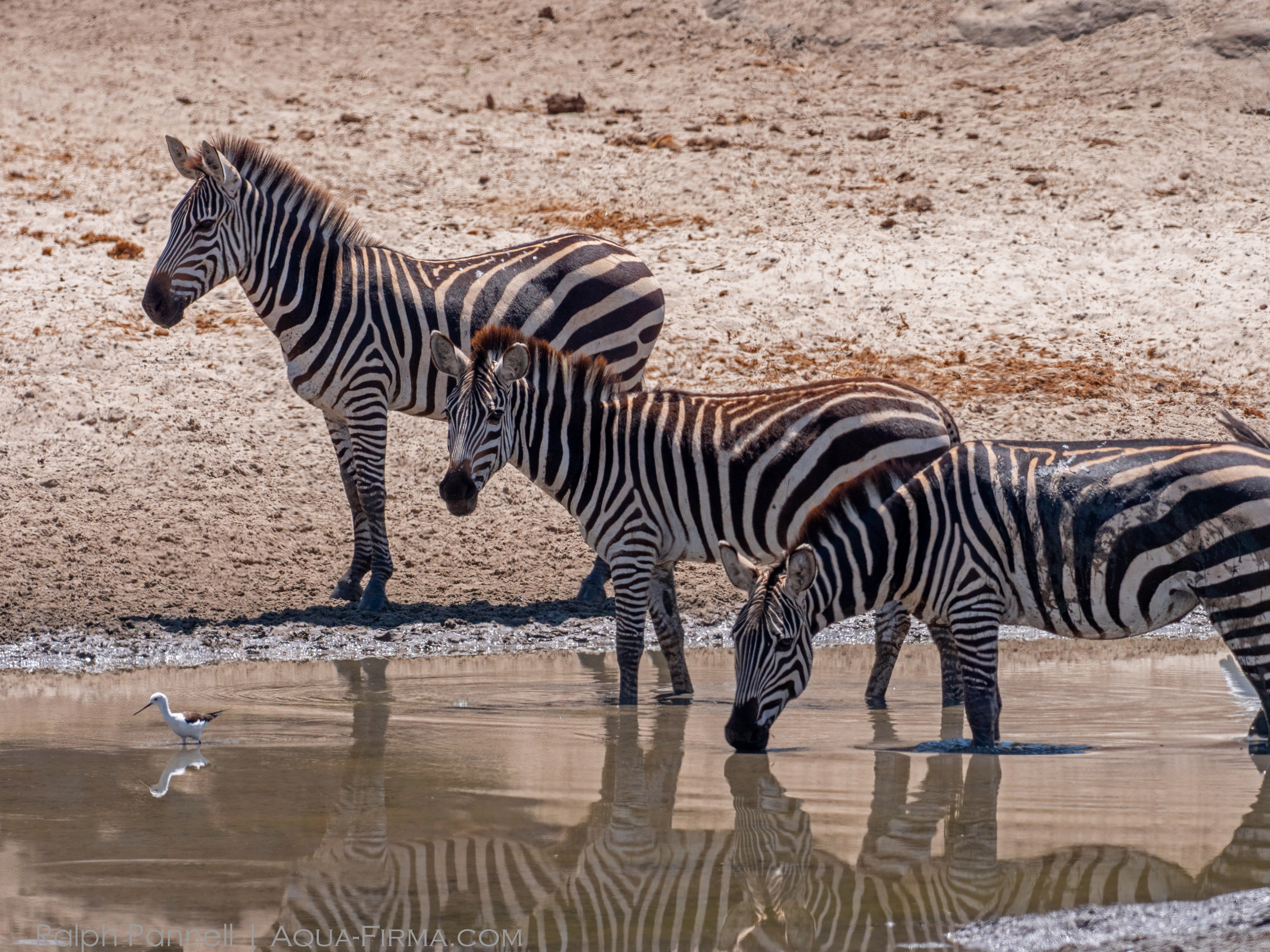
Isolated showers brought drama to the vast open plains and encouraged thousands Wildebeest and Plains Zebras eastwards. Our way was oftentimes blocked by lines of animals, braving the heat in open ground.
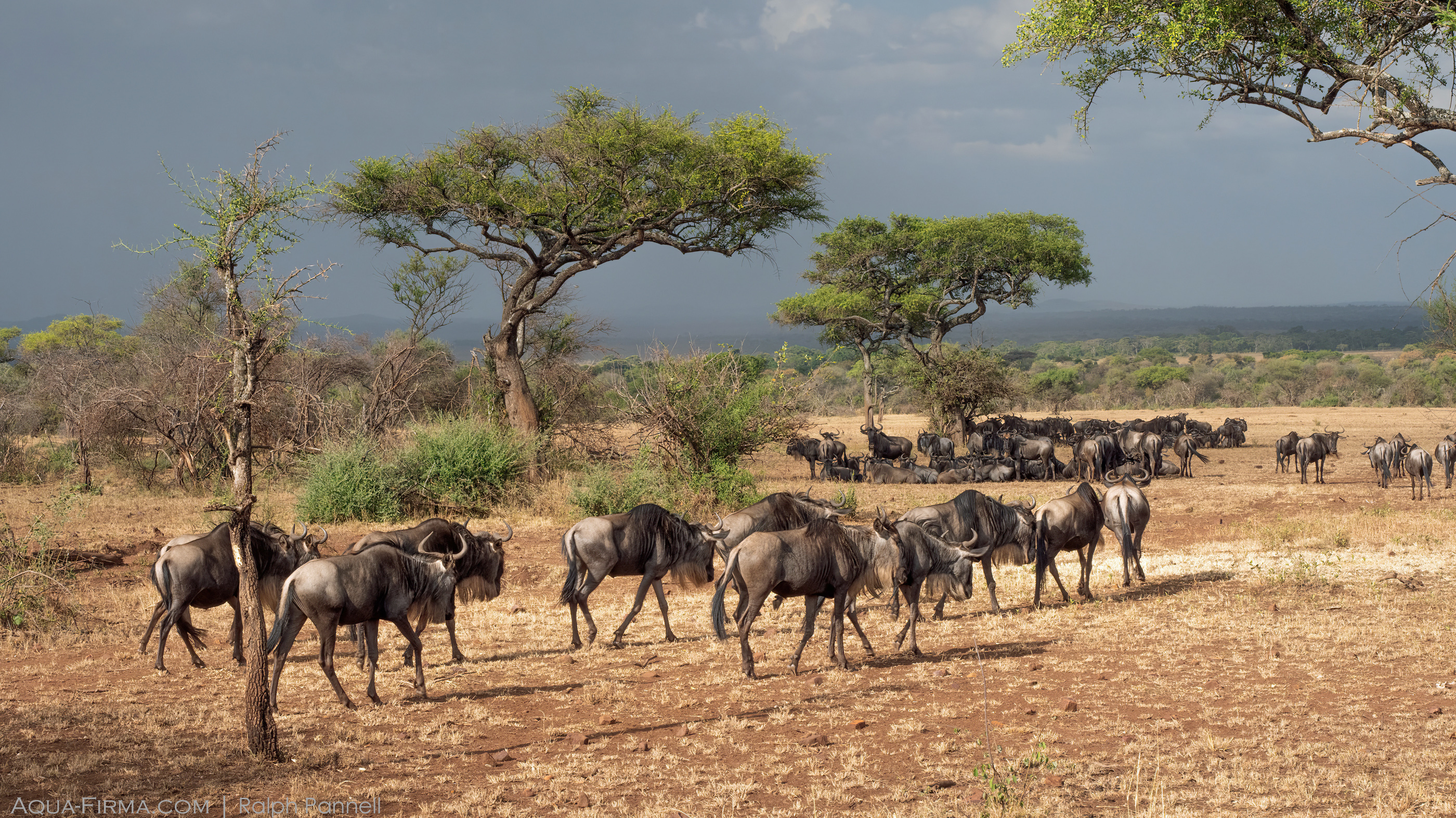
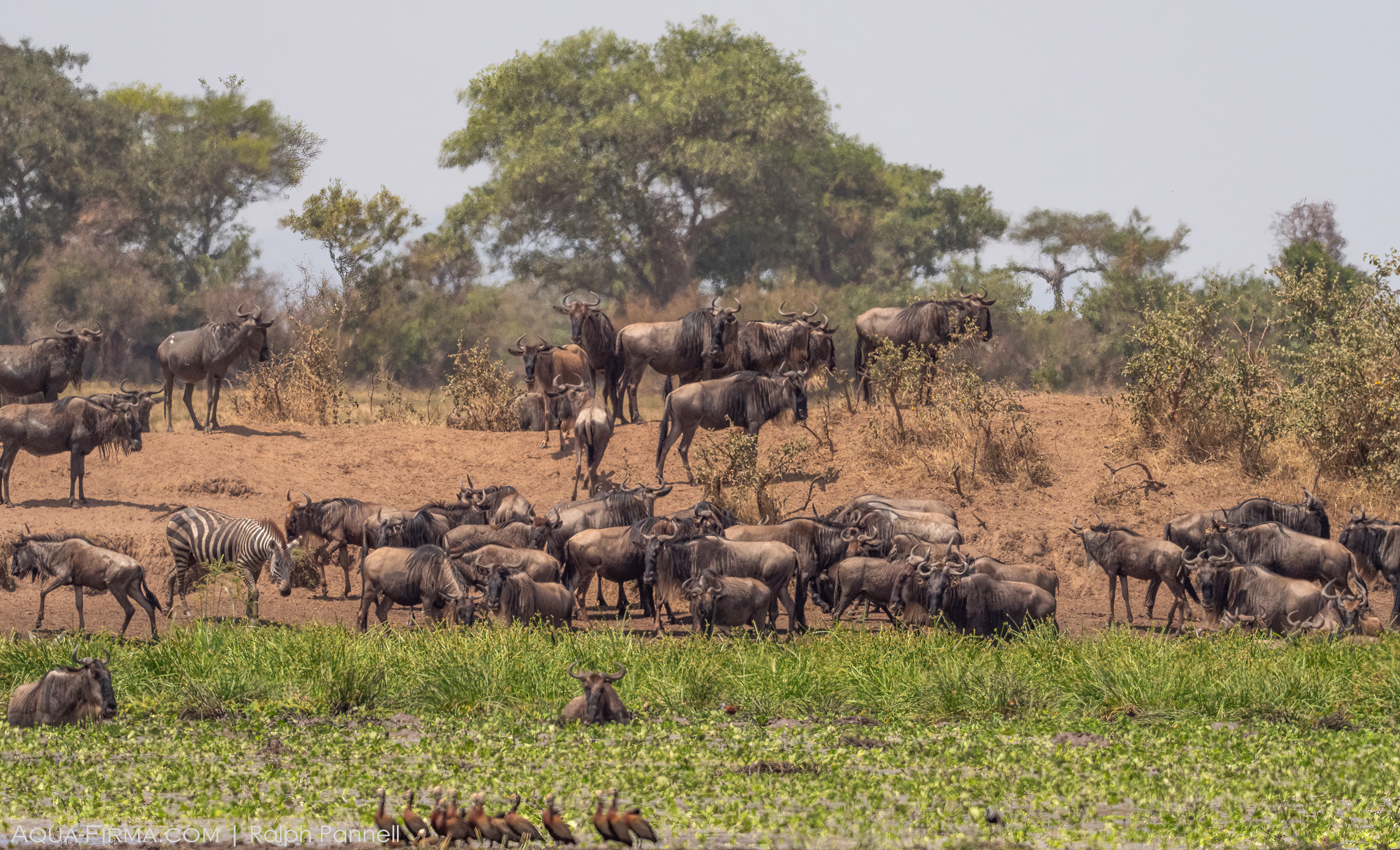
Others huddled in harems beneath broad acacias trees; or took respite in waterholes shared ominously with vultures taking position on branches of a dead tree.
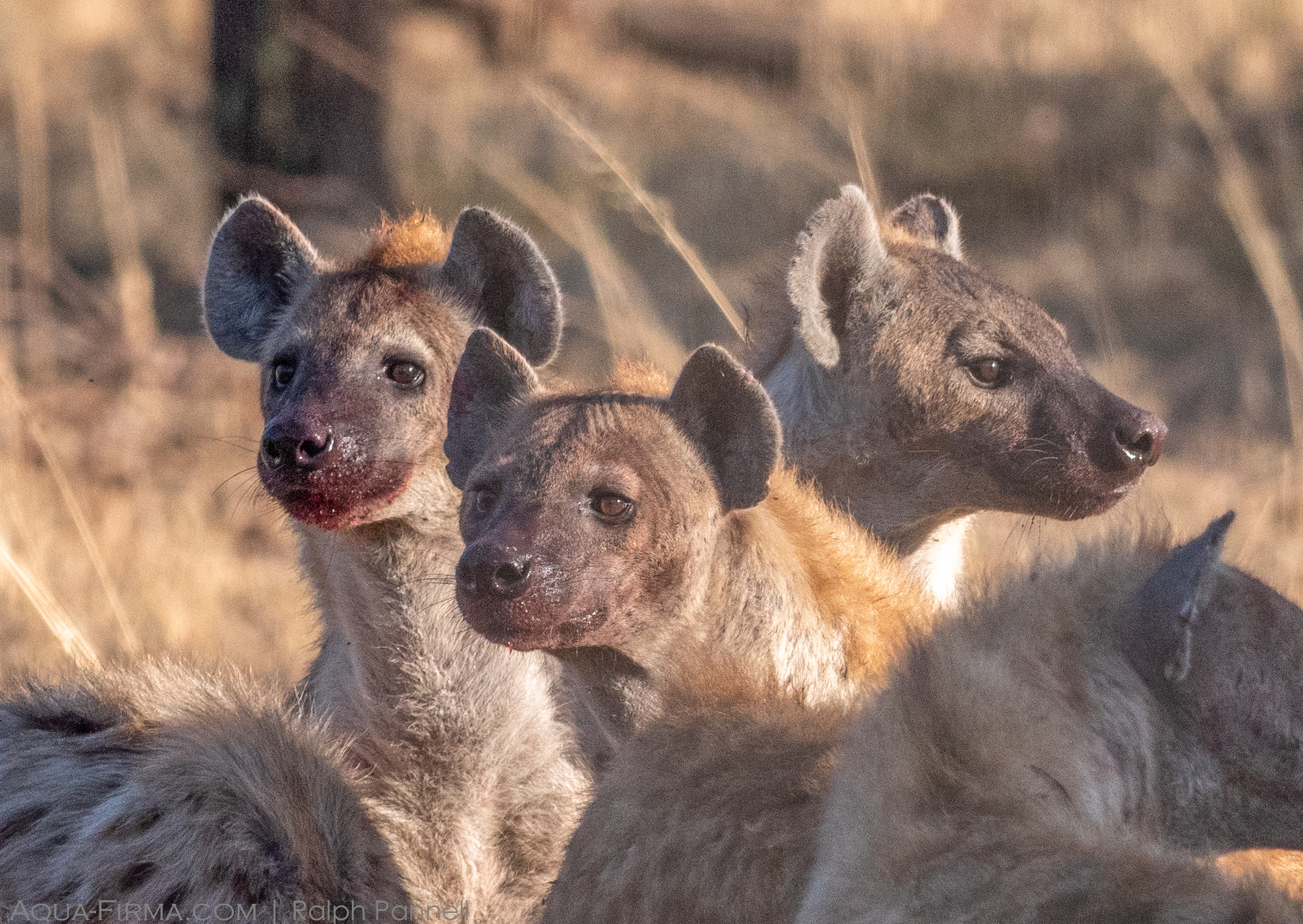
Spotted hyenas are Africa's most numerous apex predator and we were entertained by larger numbers on this safari. They need each other to hunt and compete with lions; but they are as much a danger to each other as they are allies, so we often saw groups maintaining a respectful distance from each other between kills.
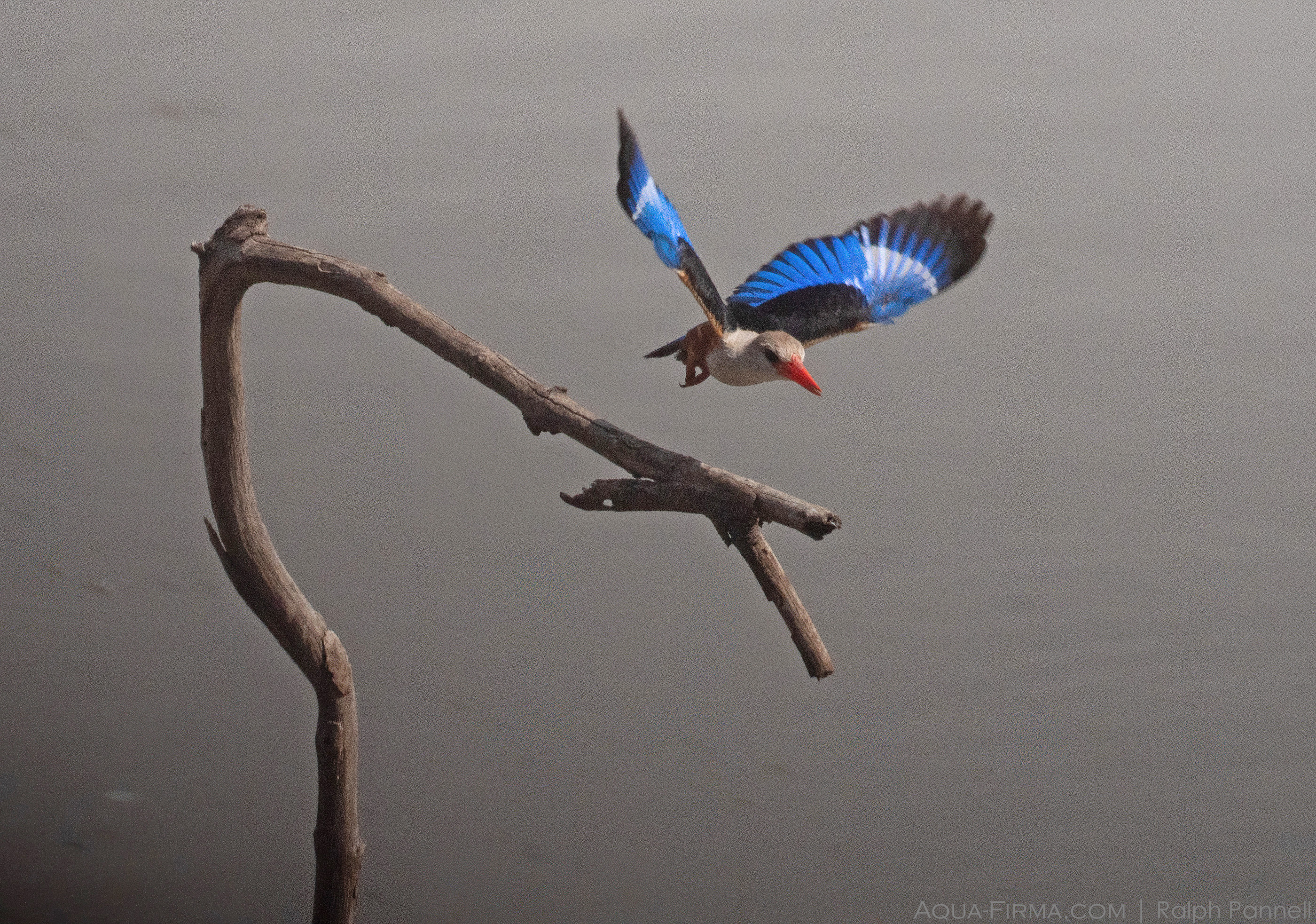
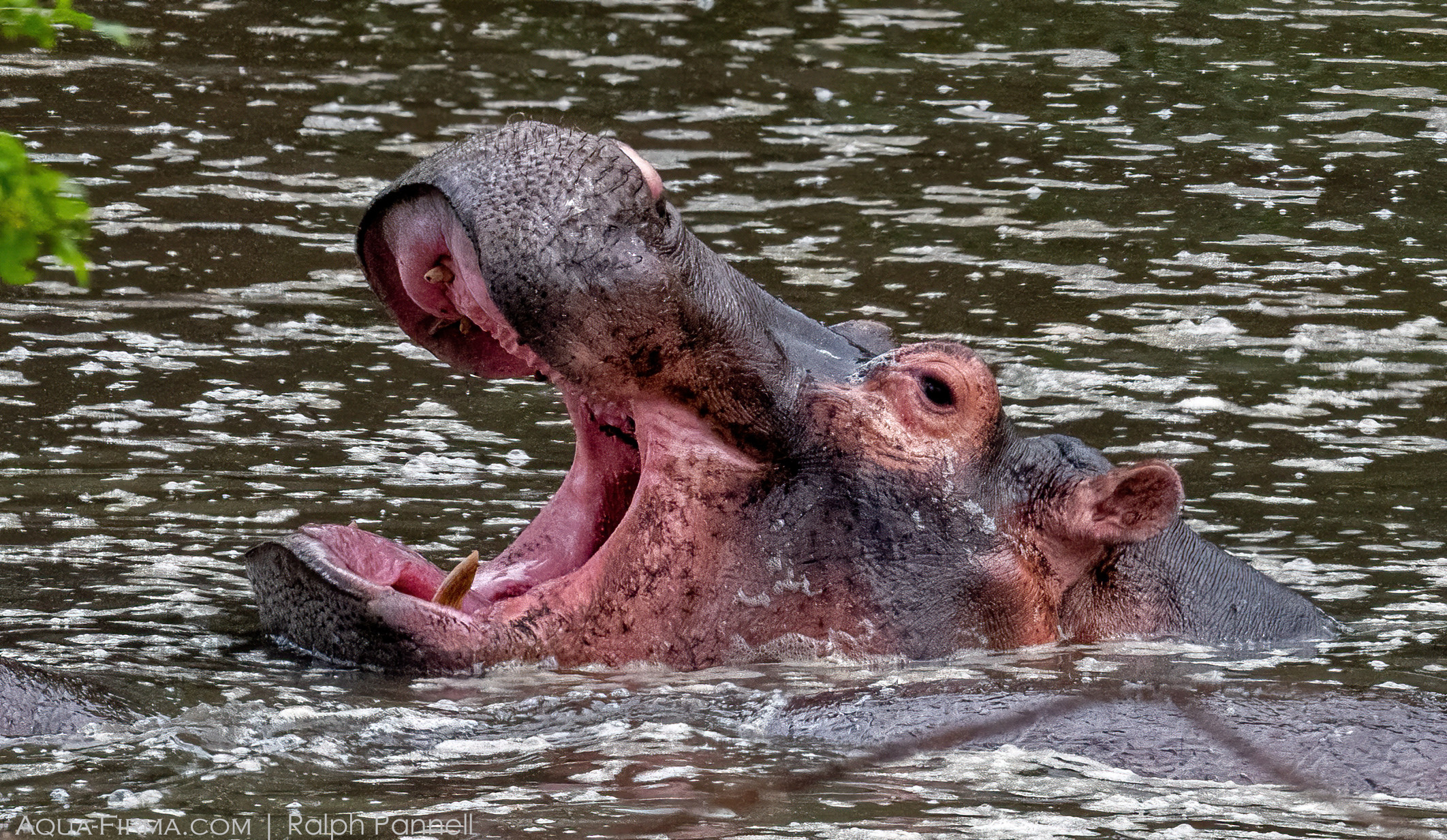
The Grumeti River is usually worth a visit, out in the western section of the Serengeti. Huge Nile Crocodiles lie in wait here for grazers, coming to the water to drink or cross. Hippos are too large and round for them to attack; and birds like this brown-hooded kingfisher too small and feathery.
Olduvai Gorge feels like the world's oldest temple - home to the evolution of hominids; in particular the tool-making Homo habilis, who left many artefacts scattered throughout the site. Masai people still live close by, plus Homo sapien visitors like us, here to receive our presentation about Olduvai from a local paleontologist.
Olduvai is a wonderful stepping stone out of Serengeti and into the volcanic drama of Ngorongoro Crater and the Great Rift Valley.
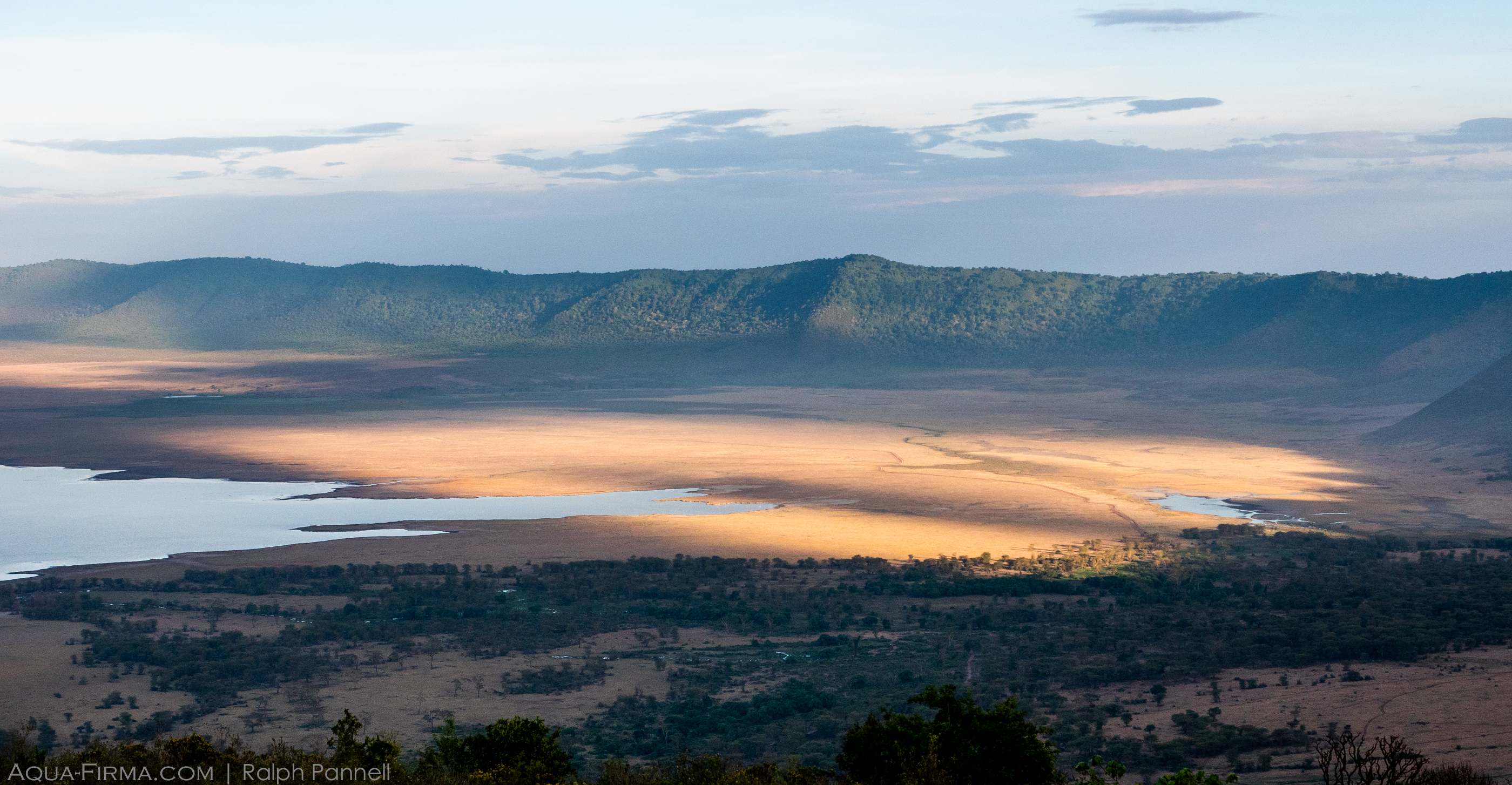
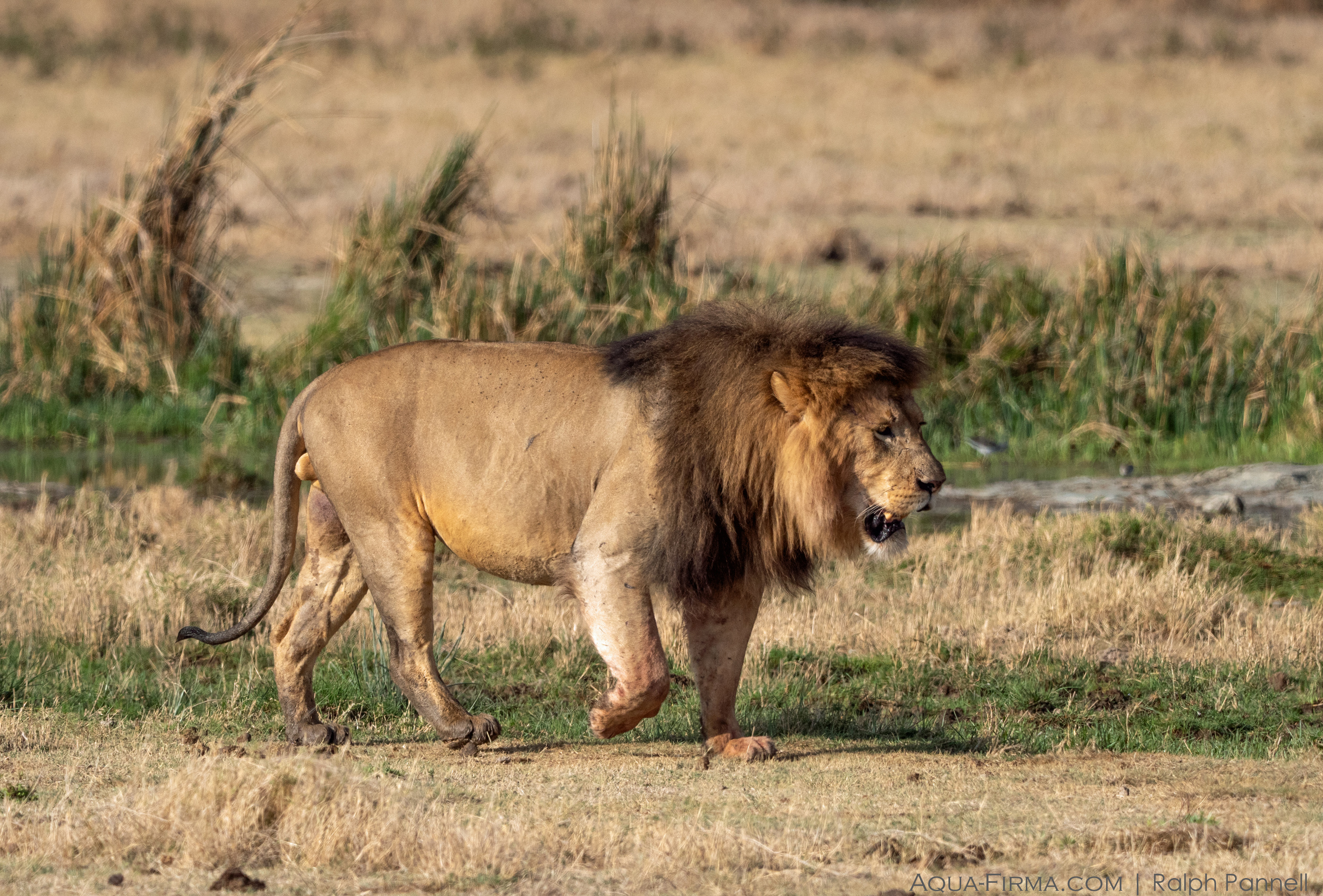
Ngorongoro Crater is the site of a vast and extinct volcano whose massive peak fell in on itself. At its widest it is 19 miles across; and within it we find savannahs, lakes and acacia woodlands - a home for the Big 5 and many more animals besides. Male lions are readily seen:
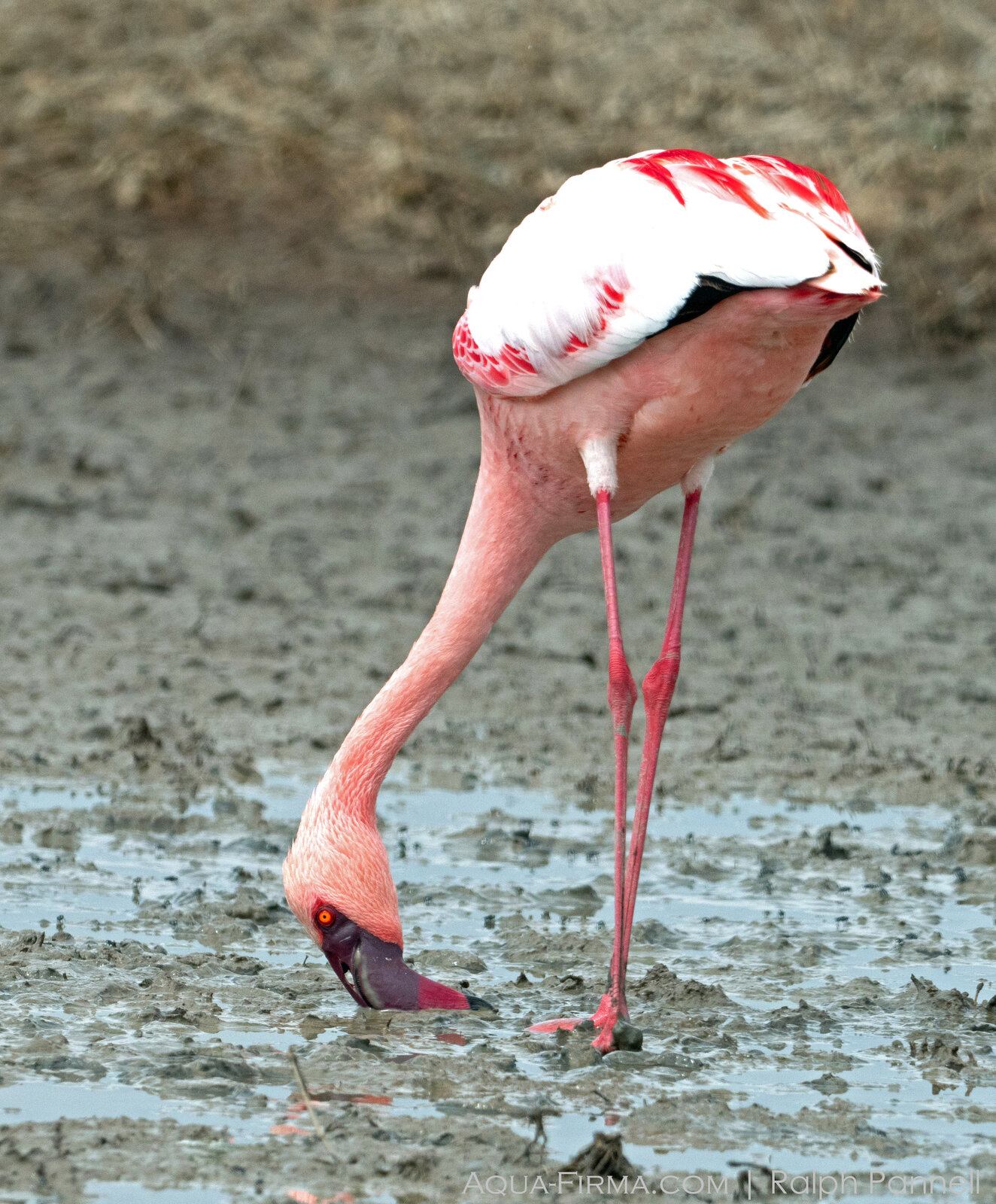
... as are vast flocks of pink and white flamingos:
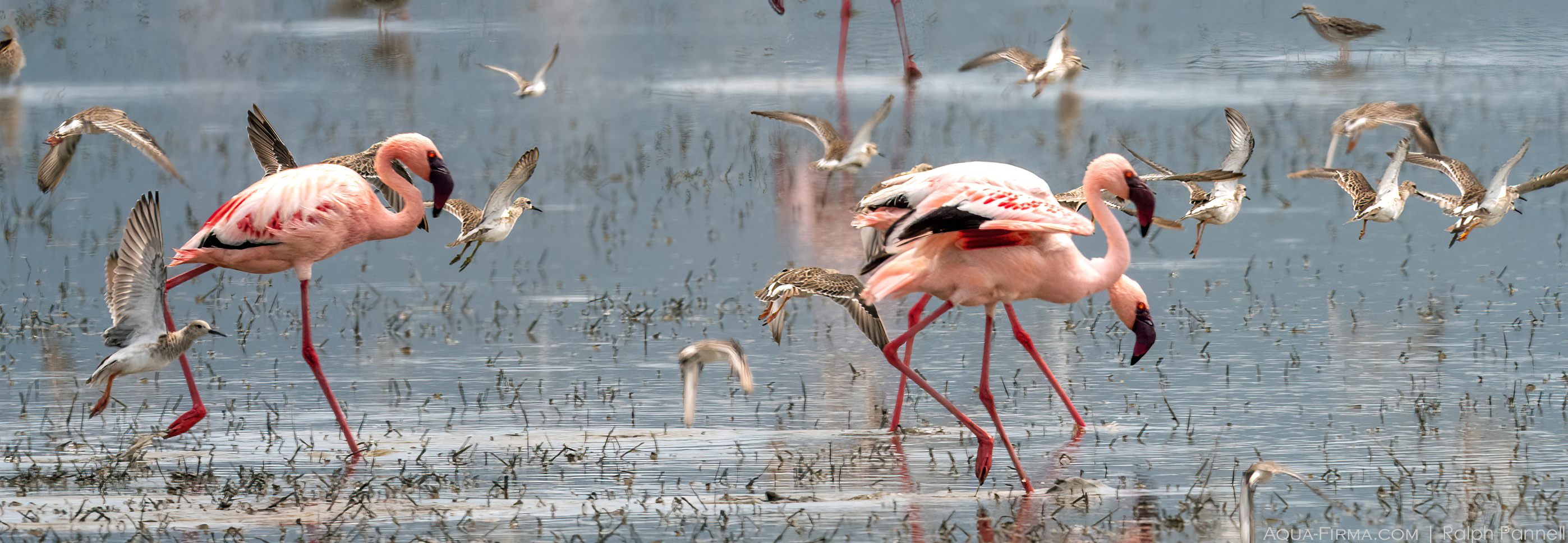
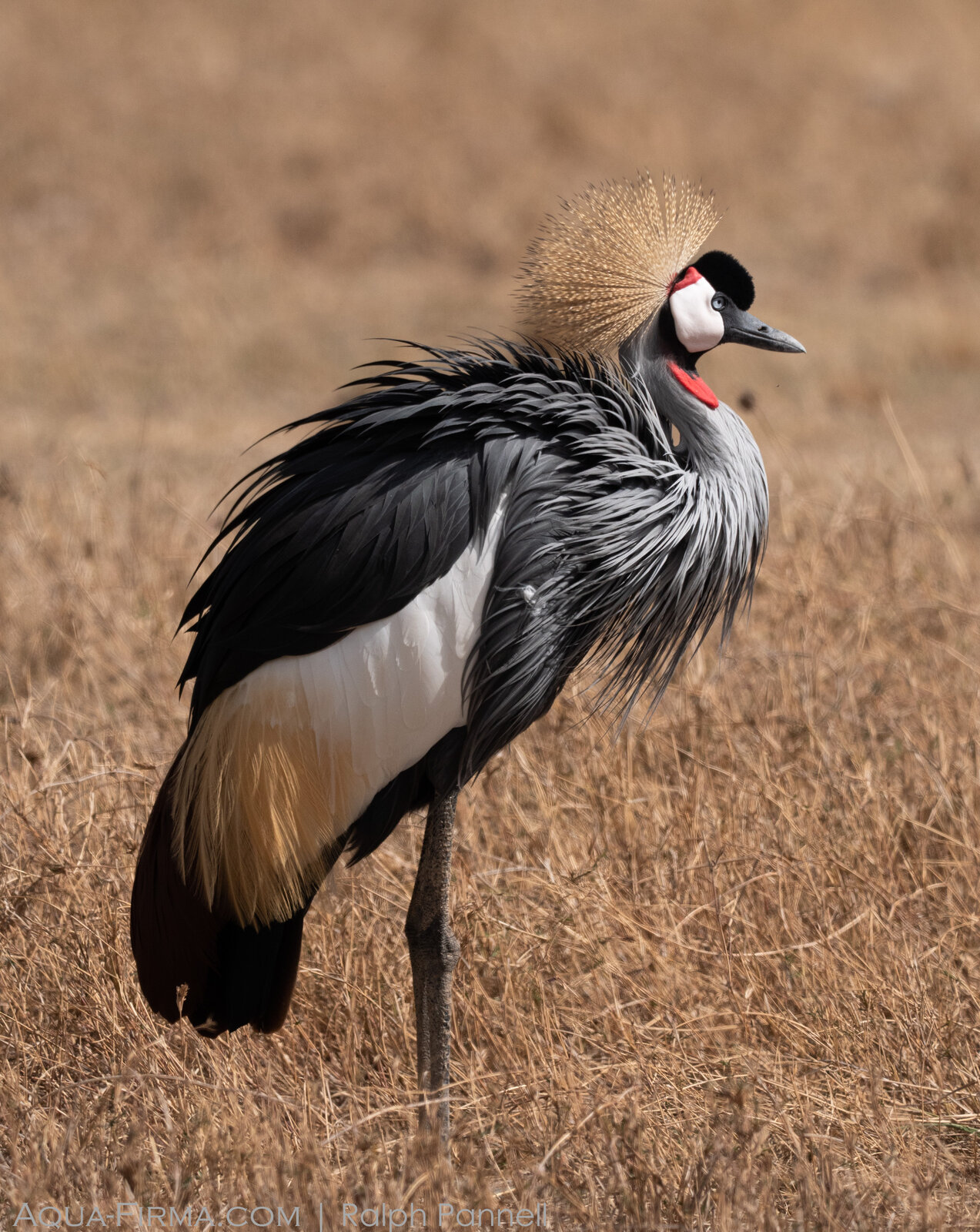
.... and birds like the semi-aquatic Crowned crane (Balearica regulorum).
We can set up private anytime .. or join me 9th - 15th December, 2026 when we can hope for similarly inspiring sightings and a migration which has probably progressed further east that it had by this December.