Deep Amazon Wildlife River Cruises
Brazil
FROM
US$2,690
4 & 6 nights Expedition Cruises (Nov - July)US$2,690
View details
Enquire / Book
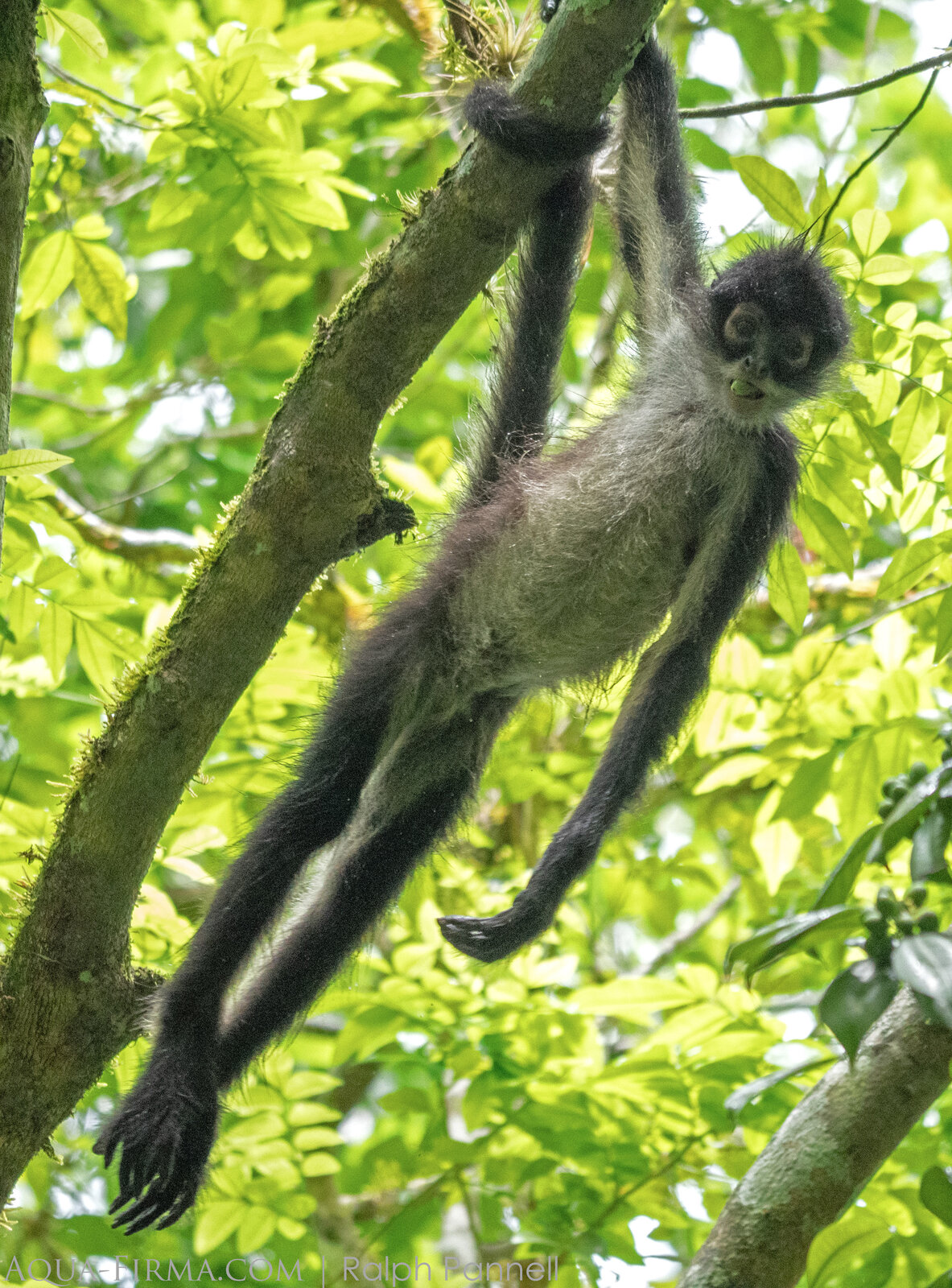
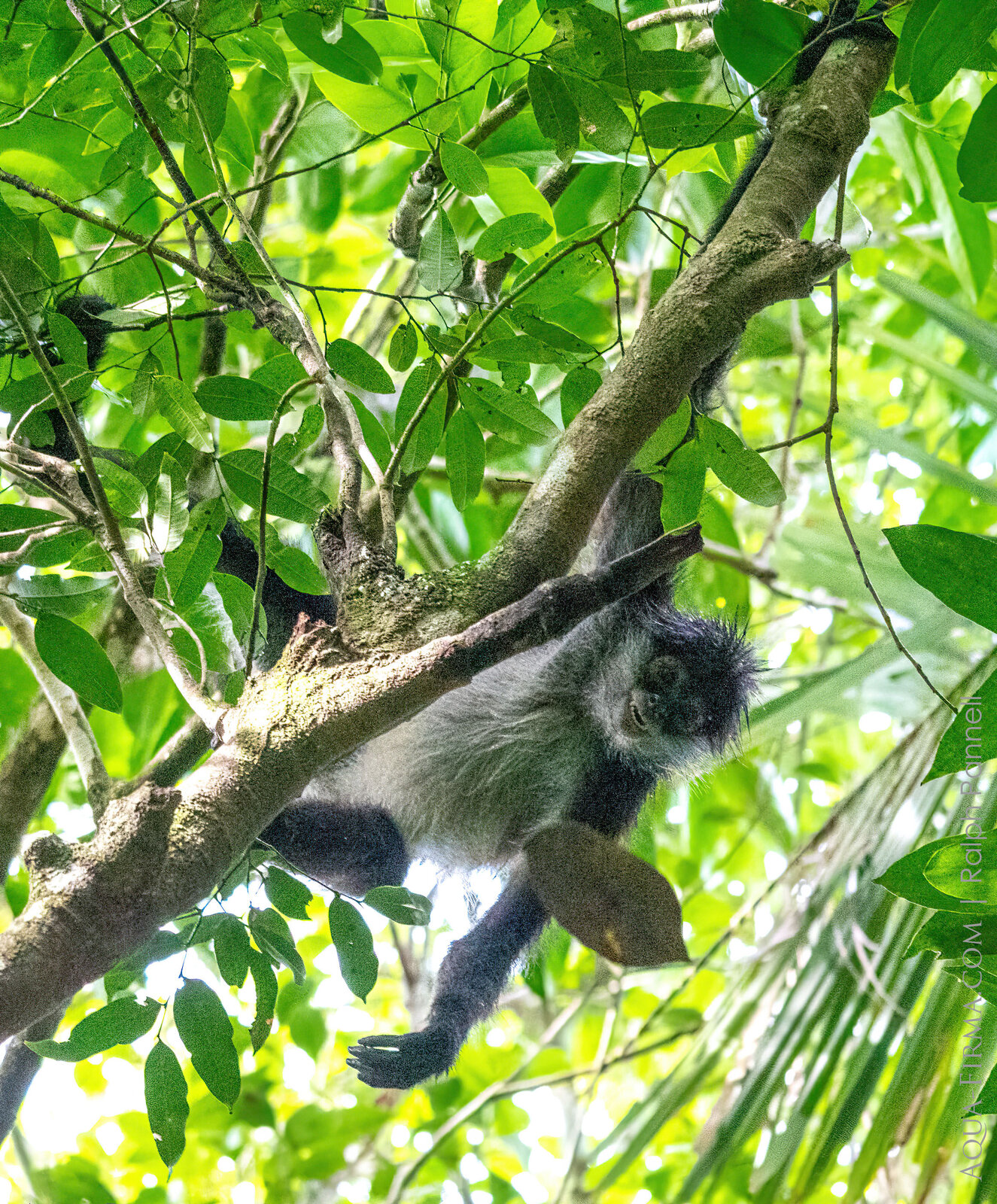
Spider Monkeys are the most intelligent of the New World Monkeys. They derive their name from their incredibly long limbs tail. Their physique is something akin to a gibbon, but with the added benefit of a prehensile tail which can reach 89cm (35 inches) in length. This tail is their main anchor and stabiliser, with a textured hard skin surface which has a 'fingerprint ' unique to each animal - all the evidence needed next time it nicks your bananas!
Spider monkey hands are less dexterous than other New World Monkeys, with priority given to long fingers which act like hooks from which to swing. They spend most of their time 25 to 30m high in the canopy. If ever they are on the ground, their arms hang low with stability provided by their tail.
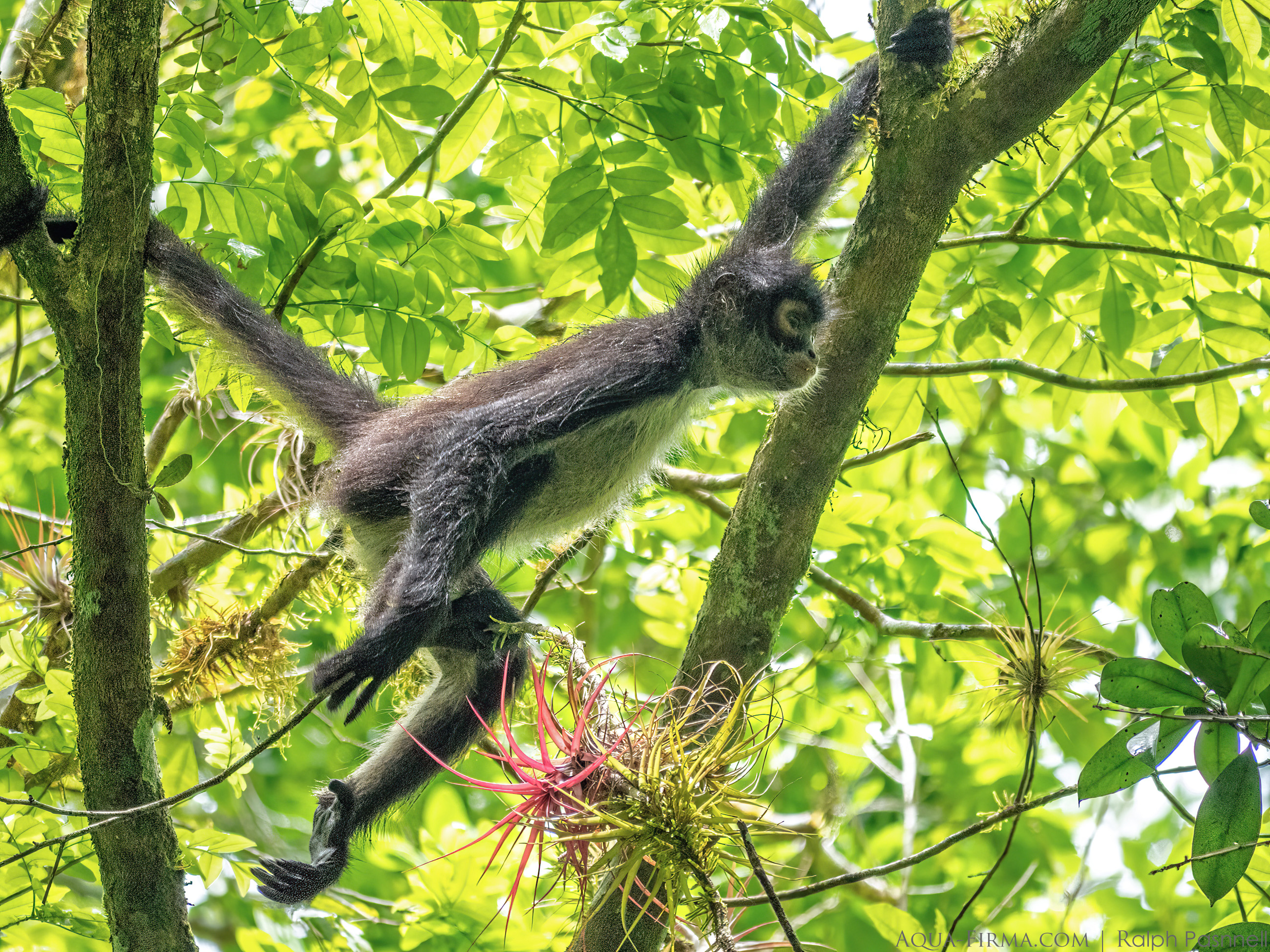
Mexican Spider Monkey (Ateles geoffroyi vellerosus) in Belize
They share the same Atelidae family of monkeys with Howler Monkeys, Woolly Monkeys and Woolly Spider Monkeys. Atelidae are the largest New World Monkeys, which makes them a prime target for hunters. Consequently, of the 7 species and 7 subspecies of spider monkey, their position on the IUCN Red List is Endangered for all except one species which is Vulnerable and another which is Critically Endangered. You need to be in undisturbed forest to see them.
Spider Monkeys feed primarily on fruit, feeding on more than 150 species of plant fruiting at different times of the year. This and their more complex social structure and communication gives them brains twice the size of a similarly weighted Howler Monkeys, who feed largely on leaves. Spider Monkeys swallow fruit whole, helping seeds within to prepare for germination, conveniently encased in faeces fertiliser. Spider Monkeys are a very important seed disperser, without which local plant succession within rainforest is disturbed.
If we encounter a troop of spider monkeys which is not habituated to safe encounters with humans, then they can react with alot of barking vocalisations, facial expressions, shaking of branches and throwing of sticks a good 4kg in weight.
Exploitation as a food is not a spider monkey's only reason to fear humans.
Their ability to catch malaria has made them a target for laboratory studies of the disease and testing of medicines.
When we see a troop of spider monkeys (usually between 2 and 40 individuals), you could be mistaken for thinking that all the adults are male. This is because female spider monkeys have a pseudo-penis: a clitoris which extends with the urethra within it. It takes balls to clarify the gender, or sighting of scent glands either side of the clitoris. Interestingly, female Spotted Hyenas in Africa also possess a pseudo-penis.
Troops of spider monkeys will often divide into sub groups to feed. This prevents excessive numbers feeding on limited resources. Socially, males tend to form stronger bonds than females; the latter who at puberty disperse to other groups, whilst males remain in the original troop.
Mexico's Yucatan is a place where we can quite reliably locate spider monkeys on our privately guided wildlife, adventure & Mayan safaris. This is the Yucatan Spider Monkey (Ateles geoffroyi yucatanensis) - an endemic subspecies of Geoffroy's Spider Monkey (Ateles geoffroyi).