These privately guided journeys combine two of Belize's most important Mayan sites with a privileged experience of one the country's most important forest conservation projects.
Wildlife, Birdwatching & Forest Conservation
One of Belize's best preserved forest areas was originally destined to be cut down by the Coca Cola Company to plant fruit trees. Whilst most of us love fruit, the forest in question is a haven for Latin American wildlife and Belize's third most important Mayan complex: La Milpa.
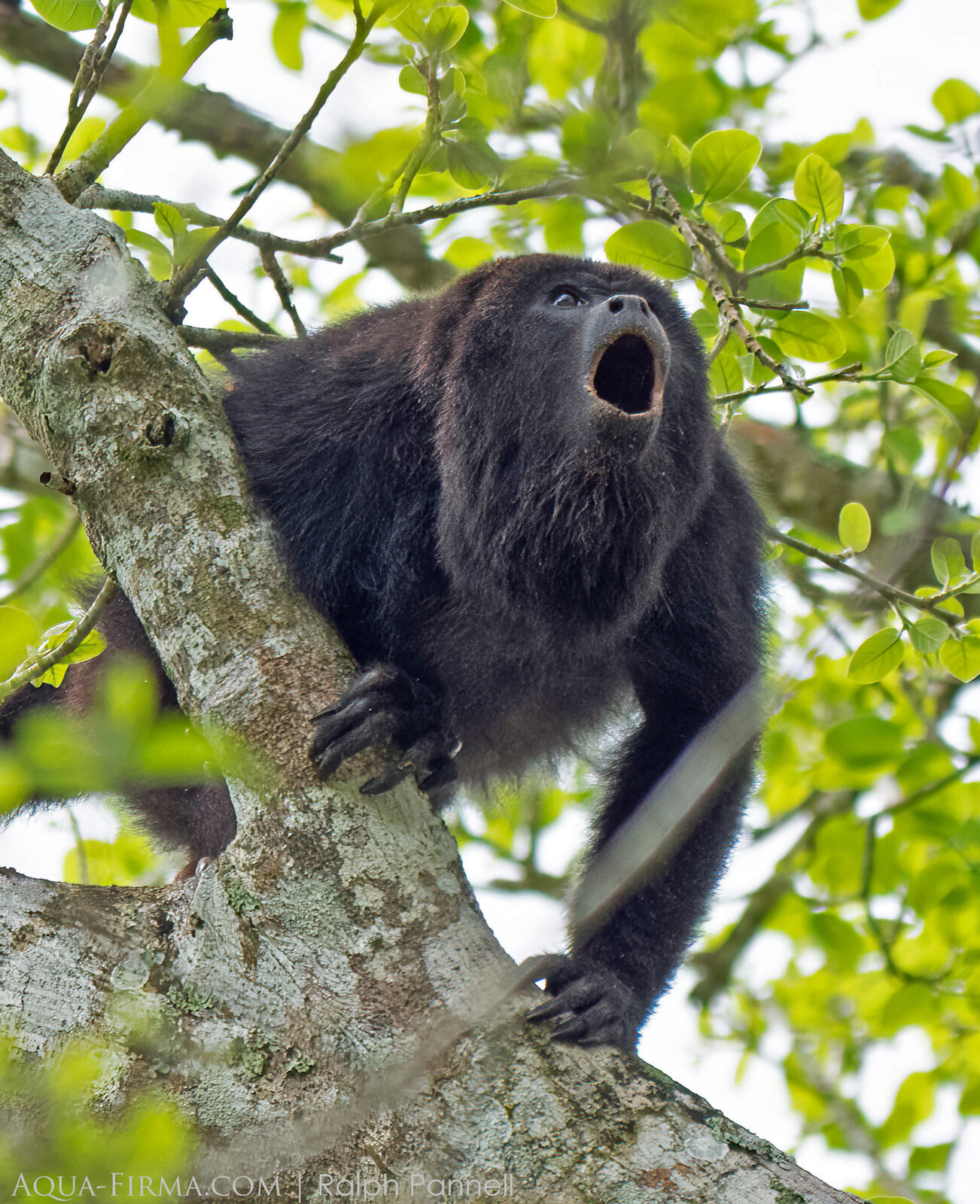
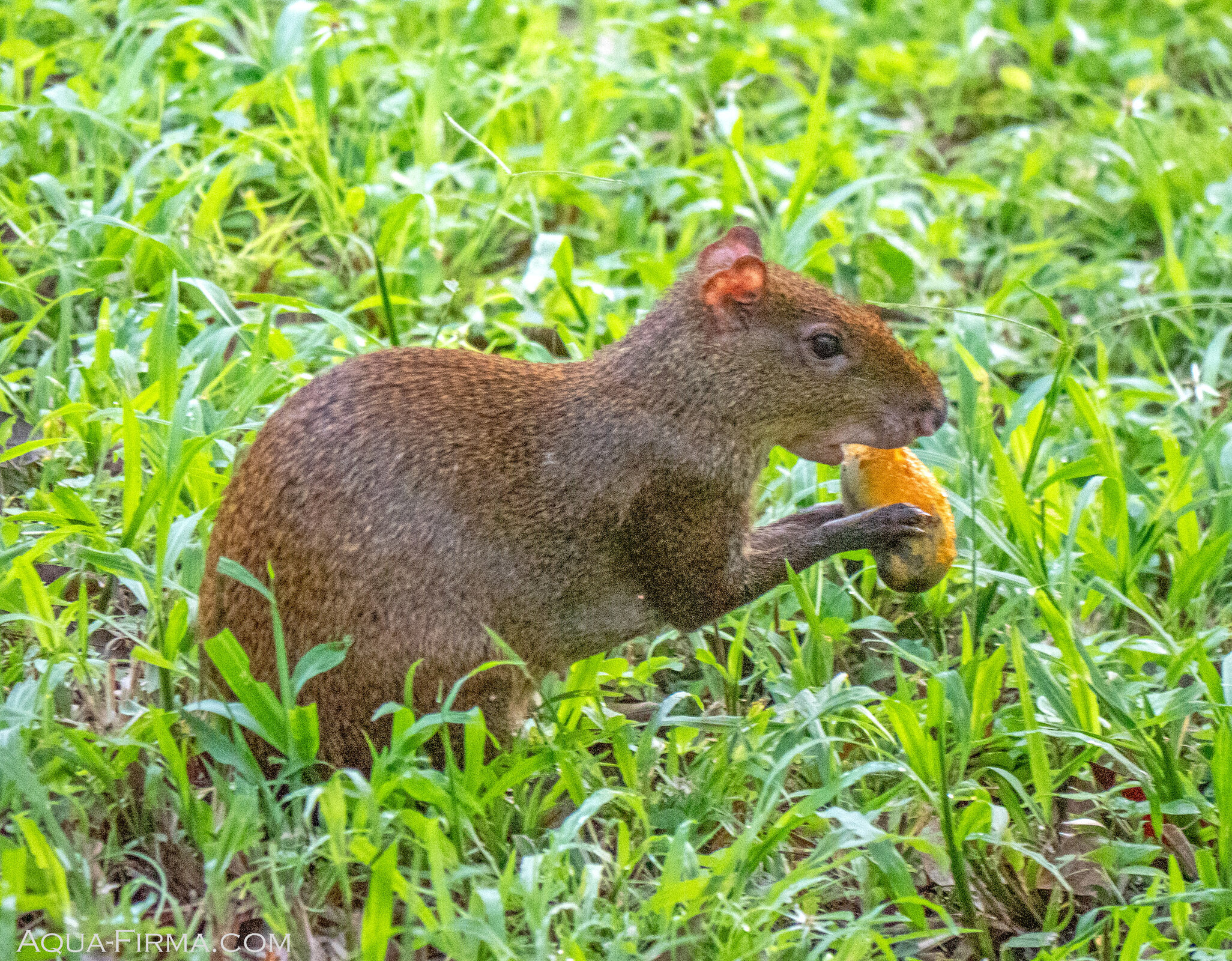
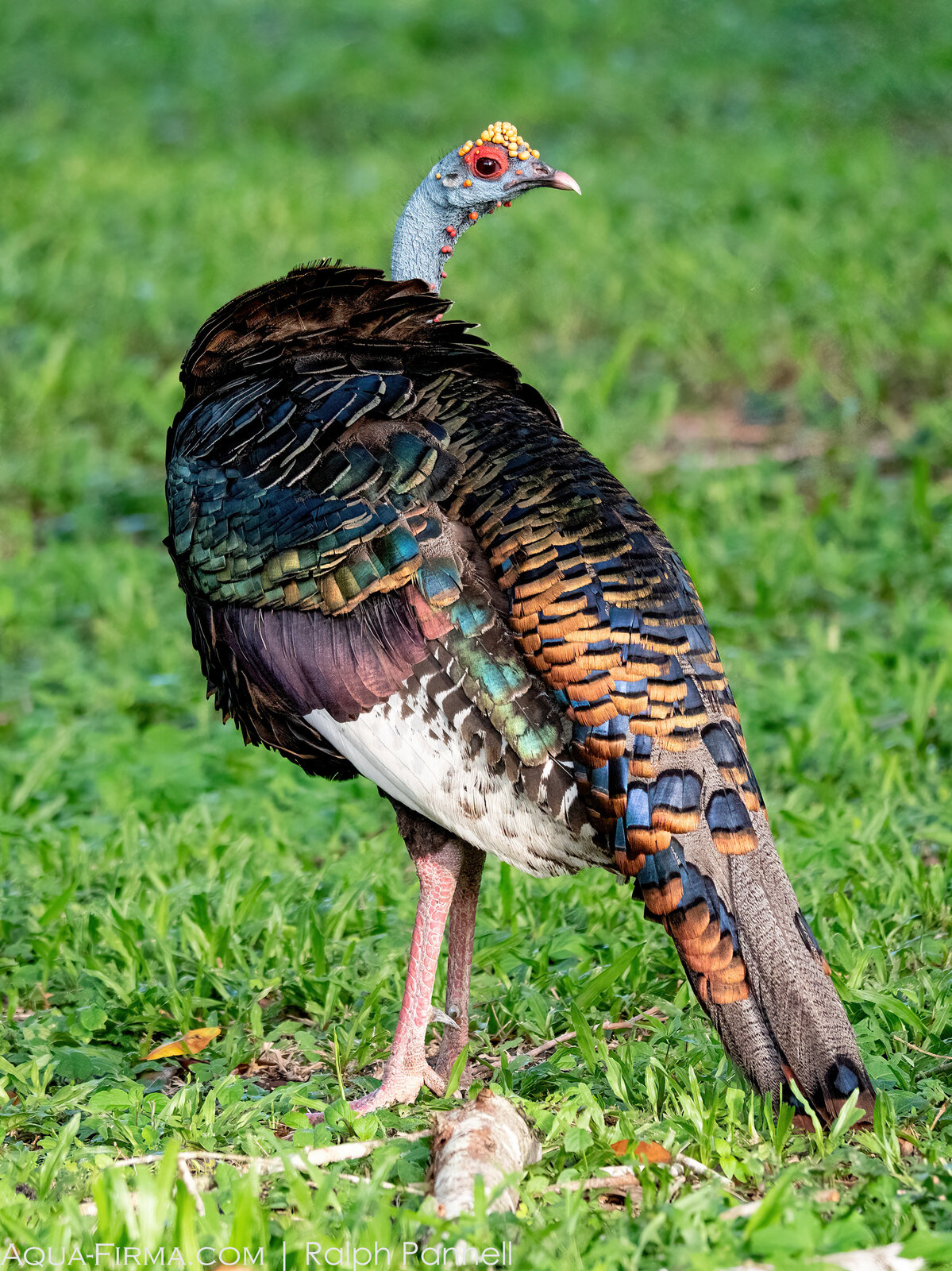
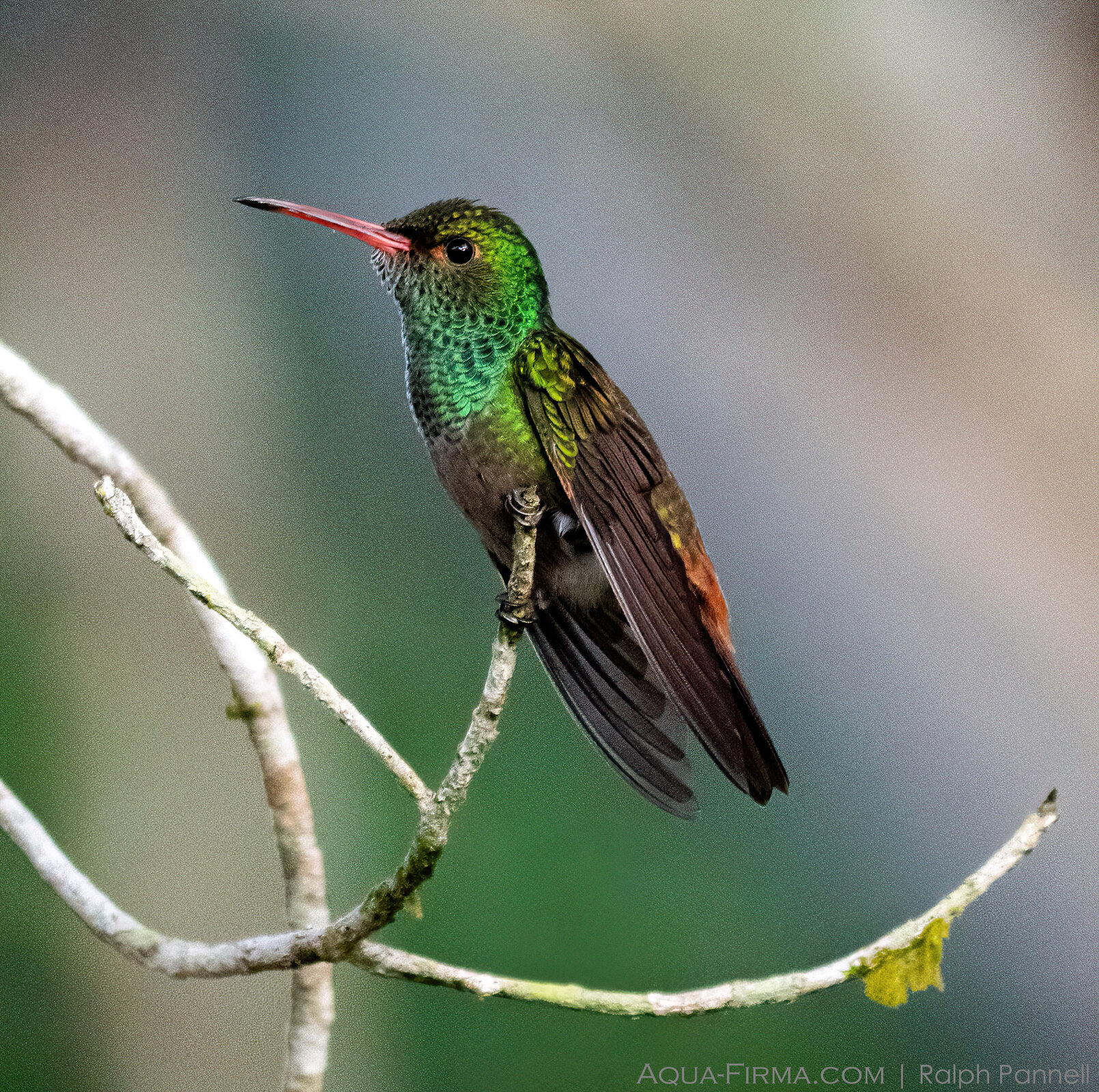
To explore this reserve, your private guide will be a park ranger who has many years of experience in this forest - both tracking its wildlife, spotting its birds and hands-on managing conservation of the area.. Not only will he help you to see wildlife & birdlife such as howler monkeys, agoutis, ocellated turkeys and species of hummingbird, but he can also provide insights into how this area is being protected from all manner of pressures.
Researchers have found that these forests contain healthy populations of 5 species of cat, of which jaguars are the largest. Whilst these predators are difficult to see, we will set up the opportunity for you to lay a camera trap in a position considered your ranger guide; so you never know your luck. Your visit will certainly help contribute to conservation of these animals and others which area.
Mayan Temples
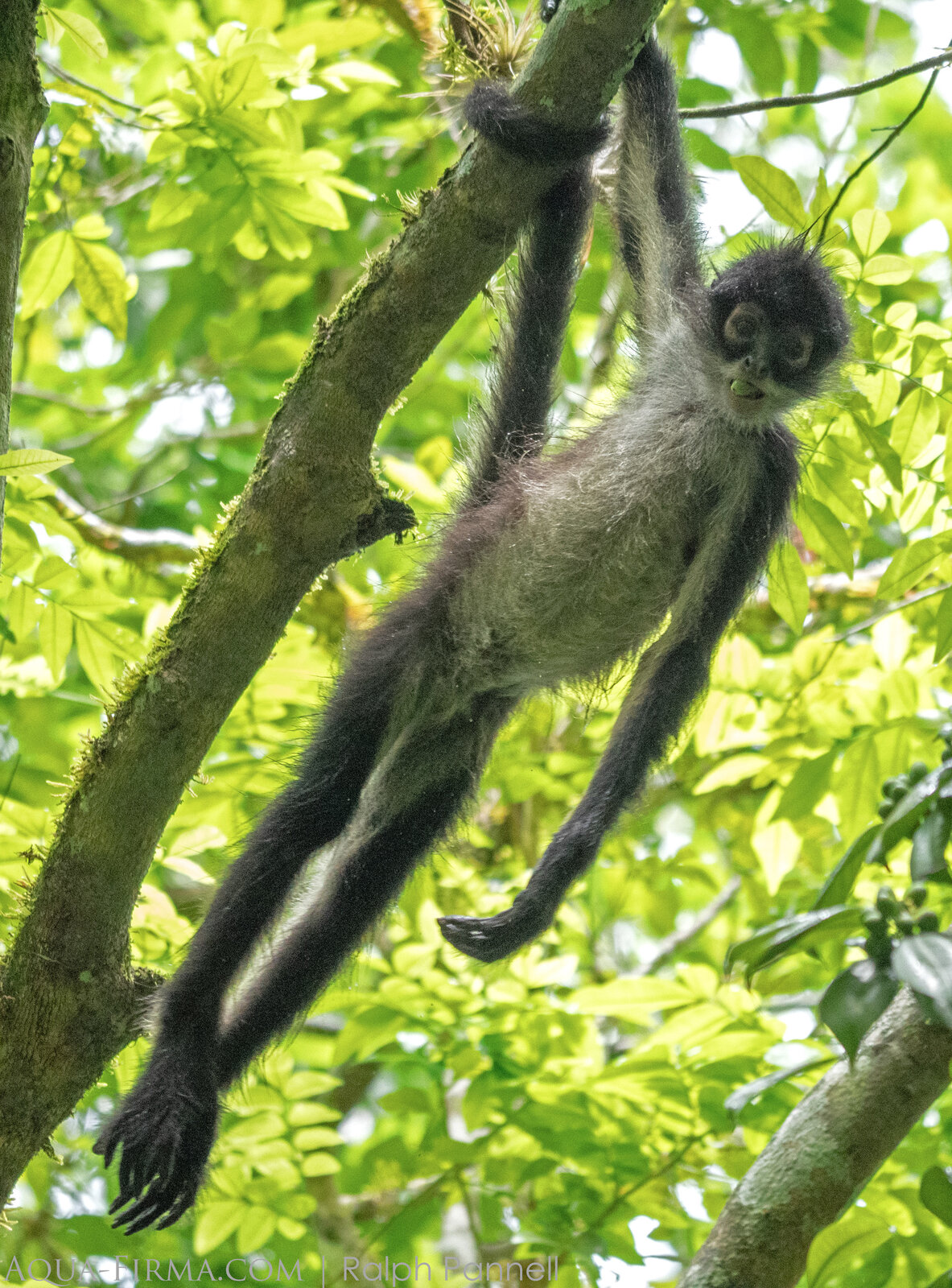
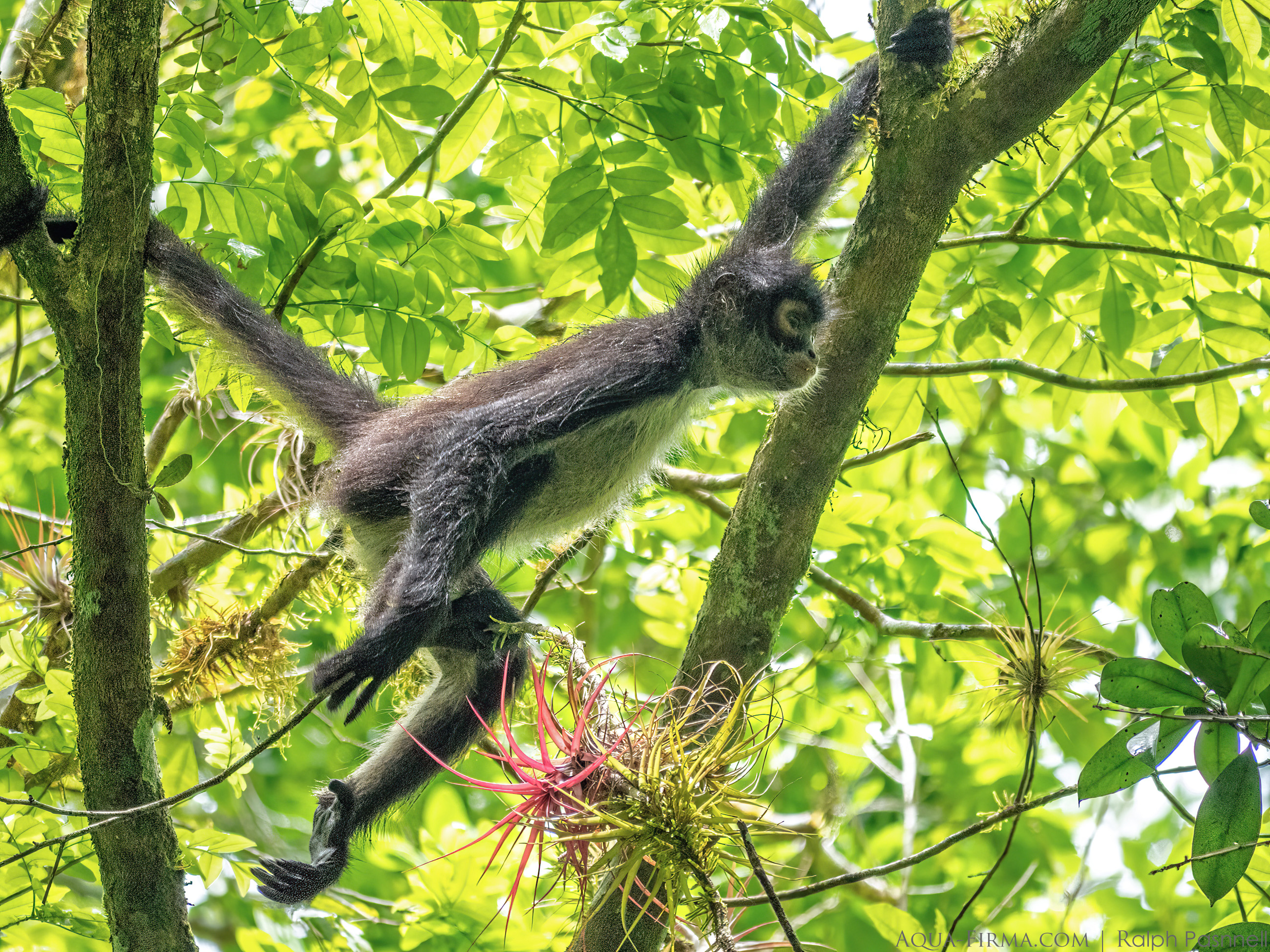
Within the same reserve, you will also visit a large Mayan site - once densely populated, but now claimed back by tropical forest. The layout remains clear to see, but in place of Mayan people, you are much more likely to come face to face with a playful Spider Monkey - Latin America's most intelligent primate.
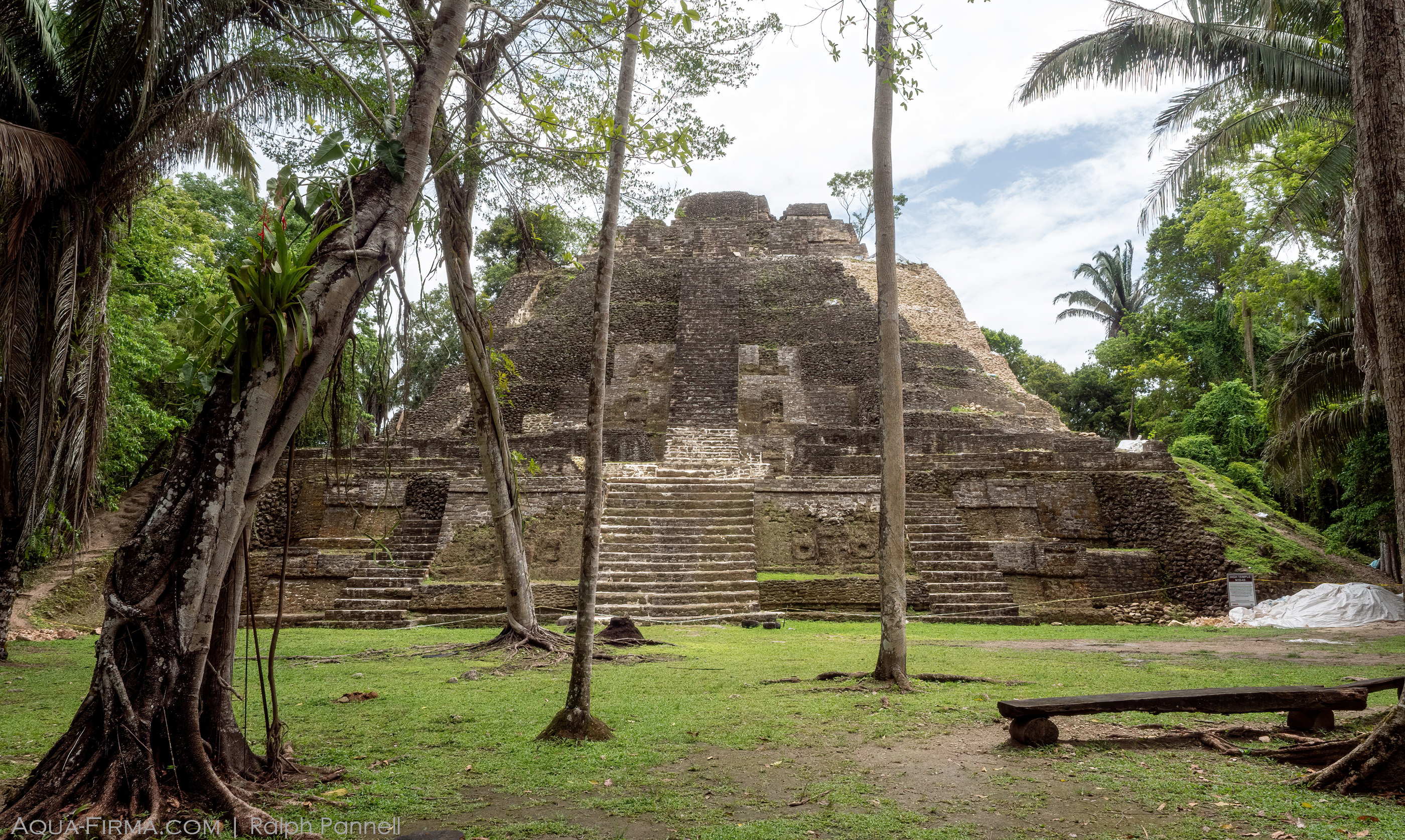
Your private guide will also take you to Belize's second-most important Mayan temple complex of Lamanai. This lakeside site has been fully excavated, yet still provides a home for troops of Black Howler monkeys, coatis and tropical birds.
Culture
Huge swathes of Belize were once part of the Mayan Empire. Mayan language is strongly evident today, mixed in with Spanish more associated with Mexico and Guatemala, whose communities regularly cross in and out of Belize.
In Belize's former capital, Belize City, you will experience a predominance of Afro-Caribbean culture.
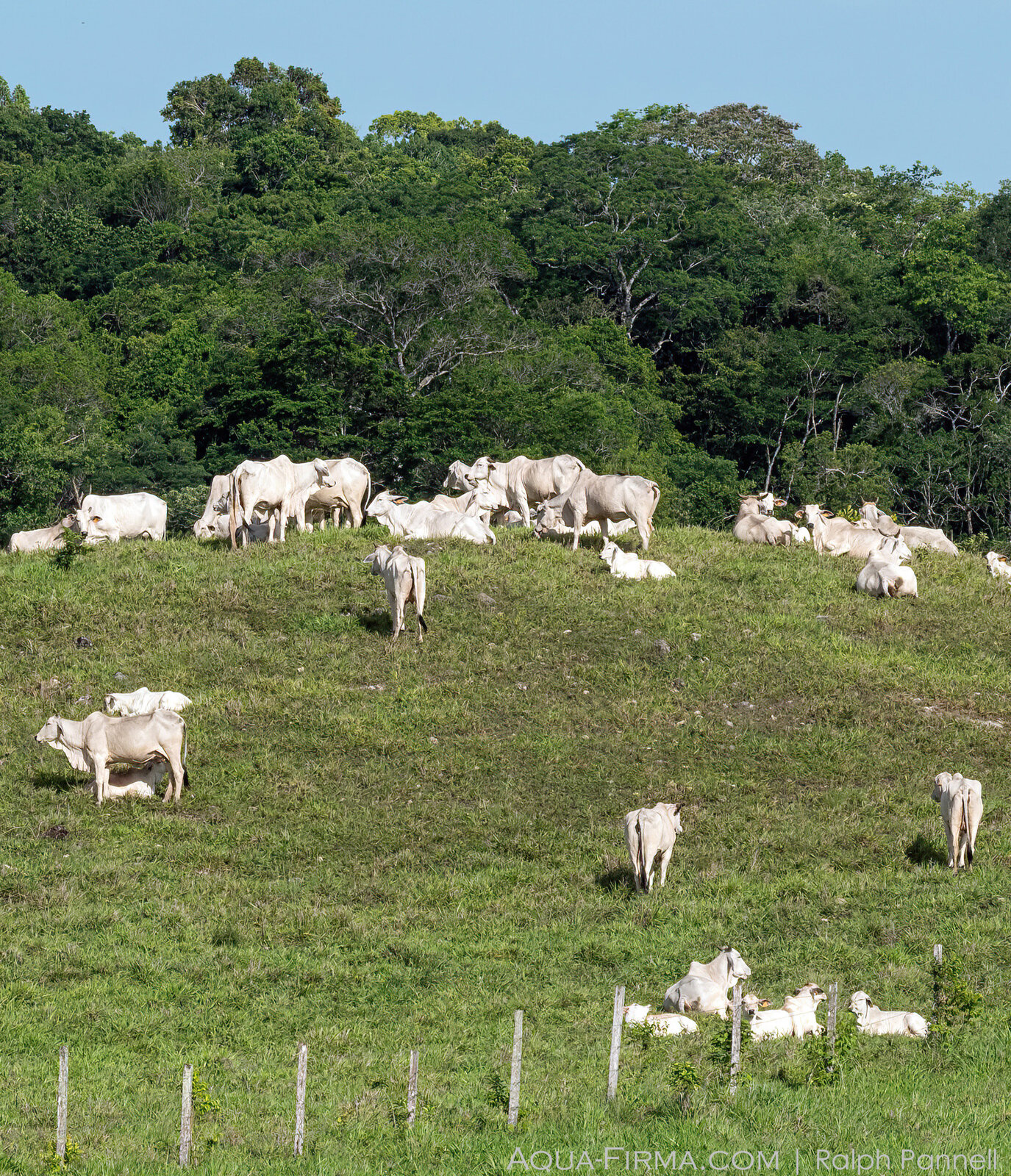
Vast open farmlands are managed mainly by Mennonite communities, some of whom maintain a strictly traditional lifestyle. You will see Traditional Mennonites moving about by horse and cart, using tractors with metal wheels but no tyres. Progressive Mennonites have opted for 4 wheel drive vehicles, but continue large-scale deforestation, converting diverse forest to grassland for cattle and monoculture crops.
This experience will provide the opportunity to see some of all these differing approaches to life.
Itinerary
Mayan Forest Wildlife & Temples
5-day sample itinerary privately guided within Wildlife Conservation Reserve, Lamanai Temple & Mayan Complex 'lost' in Forest.
Day 1 - Arrive Belize City
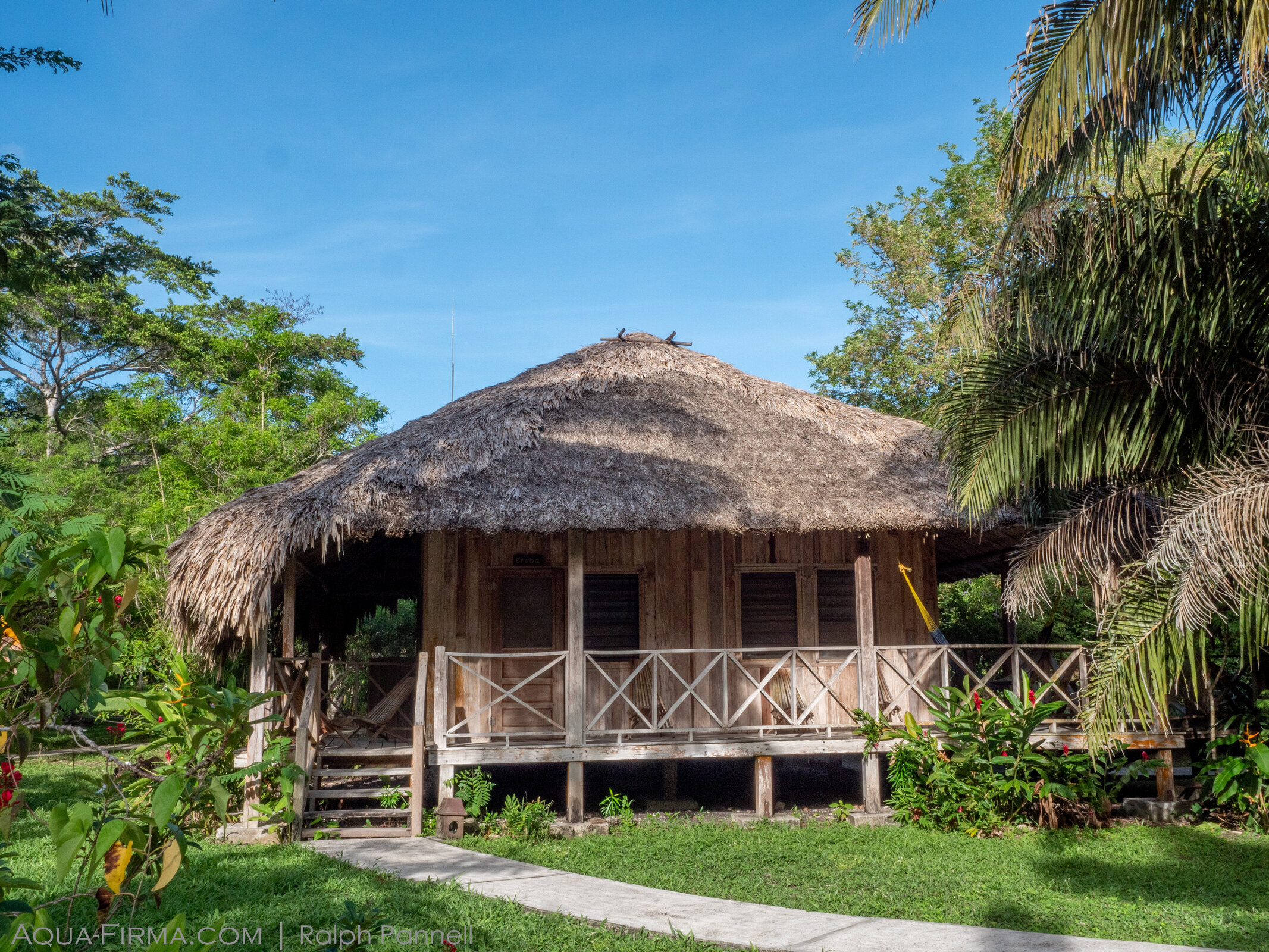
Arrive Belize International Airport where you will be met and transferred to a small peninsula within Belize City, which has the Caribbean on one side and the Halouver River mouth on the other. Here you will stay at the choice of a 3-star colonial mansion, or the modern 4-star Fort George Hotel. They are about 50 metres apart, with the Fort George providing bar and restaurant facilities for both options. Closer to the Great House is the rather fantastic Cork Street Whiskey Bar, whose large lounge and verandah provide ideal spots to relax into Belize.
Day 2 - Belize City to the Mayan Forest
We will collect you from your hotel in Belize City and drive you north along the coast; and then head west, inland, through areas farmed primarily by Mennonite communities. You will eventually hit a wall of forest and enter the Rio Bravo Conservation & Management Area. There is a forest pool near the entrance, always worth checking for tapir. About 20 minutes in, you will pass a camp set up for archaeologists studying the Mayan ruins of this area - the second largest in all of Belize, though seldom visited and uncovered.
Your accommodation is close by where you will settle in before heading out to set a camera trap. There is a lot of wildlife in this area, including jaguars, which are difficult to spot, but your camera trap might have better luck. At the last count, 21 jaguars are known to prowl through the area; but they have a very large range.
After lunch, your guide will discuss issues this reserve addresses, including illegal logging, sustainable forestry and carbon sequestration; before heading out in search of wildlife and birdlife. Spider Monkeys, Latin America's most intelligent non-human primates, are a regular sight - as are large ground birds such as the Great Curassow, which is a sure sign of an area protected against hunting.
Dinner at the lodge followed by a night walk.
Day 3 - in the Forest & Belize’s Largest Uncovered Mayan Site
Your guide will take you for early morning bird and mammal watching, with good chances of seeing agoutis and birdlife close to camp.
After breakfast your guide will take you to La Milpa archaeological site. There is every chance that you will be alone at this, Belize's 3rd most important Mayan Site. Here you will learn about Mayan history and have opportunities to see wildlife. Again, spider monkeys are often seen here. They are quite brazen, with young ones often showing off with acrobatics and hard stares; whilst the older ones might throw branches at you if you come too close!
After lunch you will head to a trail where in addition to looking for wildlife, you will be introduced to plants and their traditional uses.
Night walk after dinner.
Day 4 - Forest Wildlife & Birdlife
Optional early morning bird watching before breakfast, before hiking some different trails.
Afternoon more forest walks and check out the camera trap you set.
Optional night walk.
Day 5 - Mayan Ruins to Belize City
After breakfast, you will be driven out of the reserve, through Mennonite community farming areas and end up at the Lamanai Mayan site. Your guide will provide information about the somewhat closed Mennonite society and their place within Belize. Lamanai itself is one of Belize's most important Mayan sites. This lakeside site is lovely to walk around, both for the historical insights it can provide; and for wildlife. The chance of seeing Howler Monkeys is high… you might also see the ring-tailed Coatimundi and beautiful birds like a trogon.
From here you will be driven to Belize City hotel, or Belize City International Airport.
Dates
Price includes
All land transfers
All accommodation
All meals when in the forest
Light breakfast in Belize City
Privately transfers
Privately guided walks as per itinerary
Park fees & Mayan site entry fees
Price excludes
Flights
Drinks
Items of a personal nature such as telephone, laundry etc
Tips
Travel Insurance
Activities not specified within itinerary