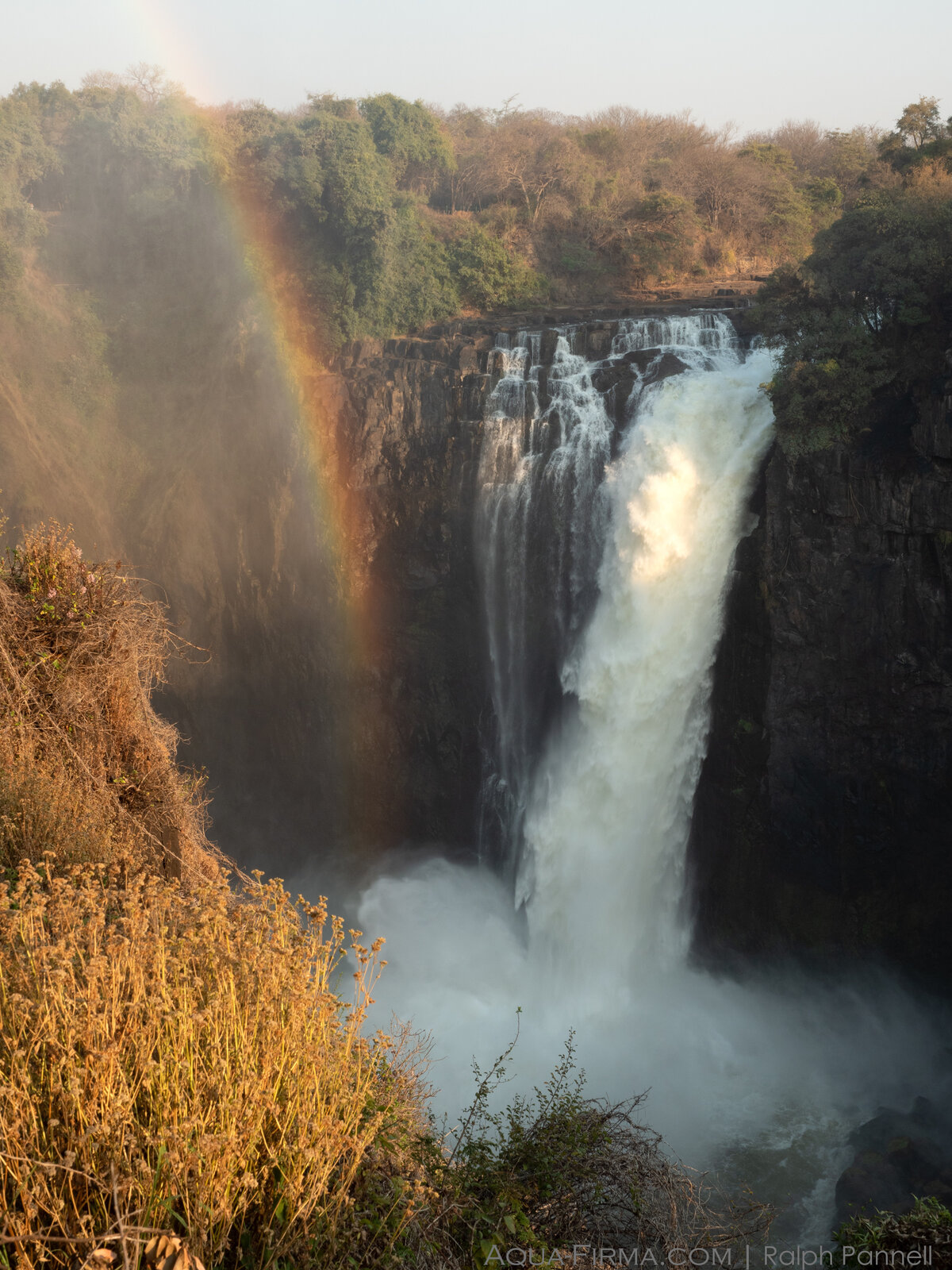
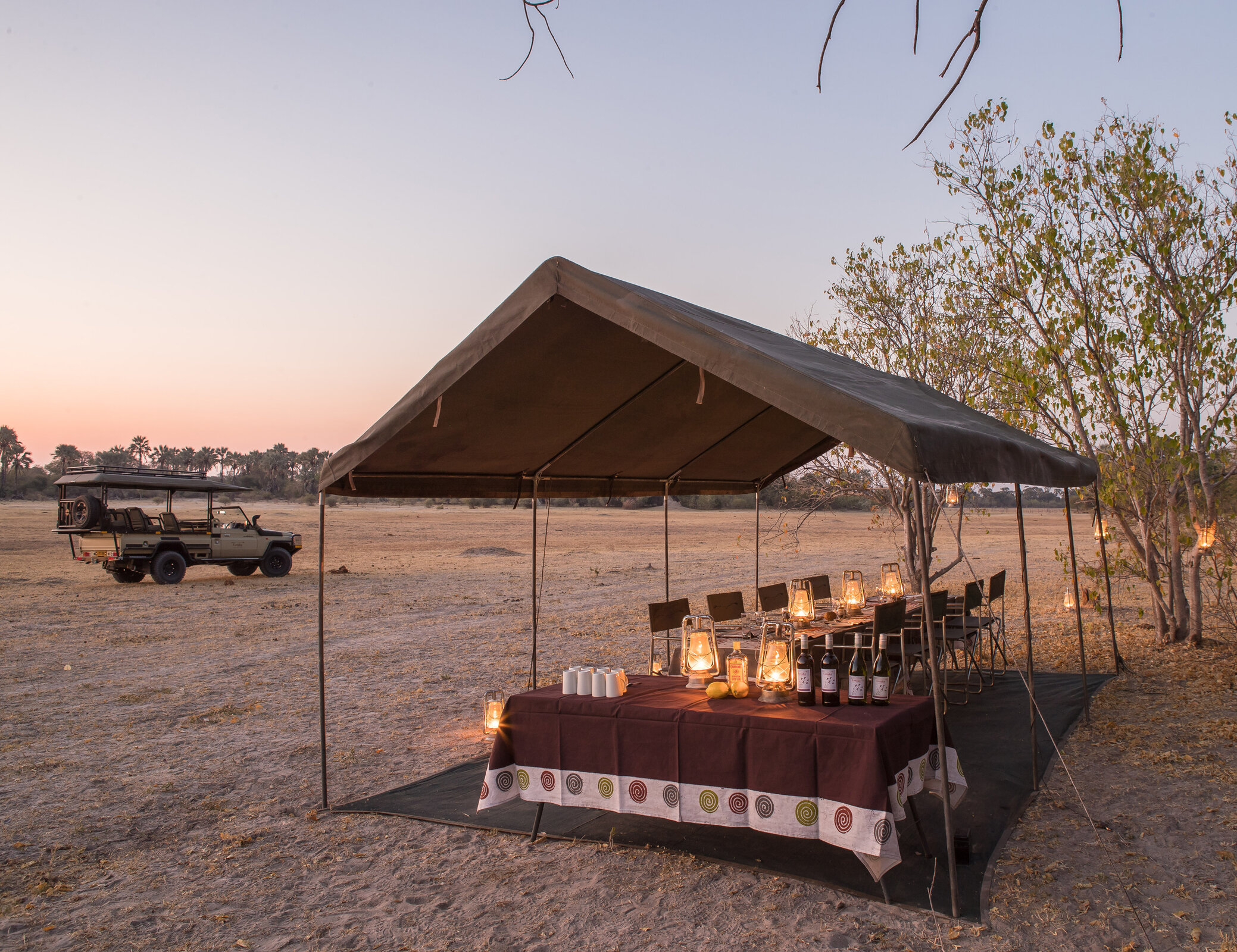
This small-group Botswana Wilderness & Wildlife Safari, hosted by Aqua-Firma director & photographer, will take you to one of Africa's most dramatic scenic highlights: Victoria Falls - and two of the Continent's best-preserved wilderness areas: the Okavango River Delta and Chobe National Park. Wildlife opportunities will be excellent on the Botswana section - sleeping in amongst it in premium mobile glamping camp. At Victoria Falls, we will stay lodge-based in Zimbabwe.
Victoria Falls in Zimbabwe is our starting point, with two nights there and a guided walk through woodlands to some of the best scenic points, learning about the geology and history of the area as we go. We can add additional activities and nights here if you wish.
Chobe River
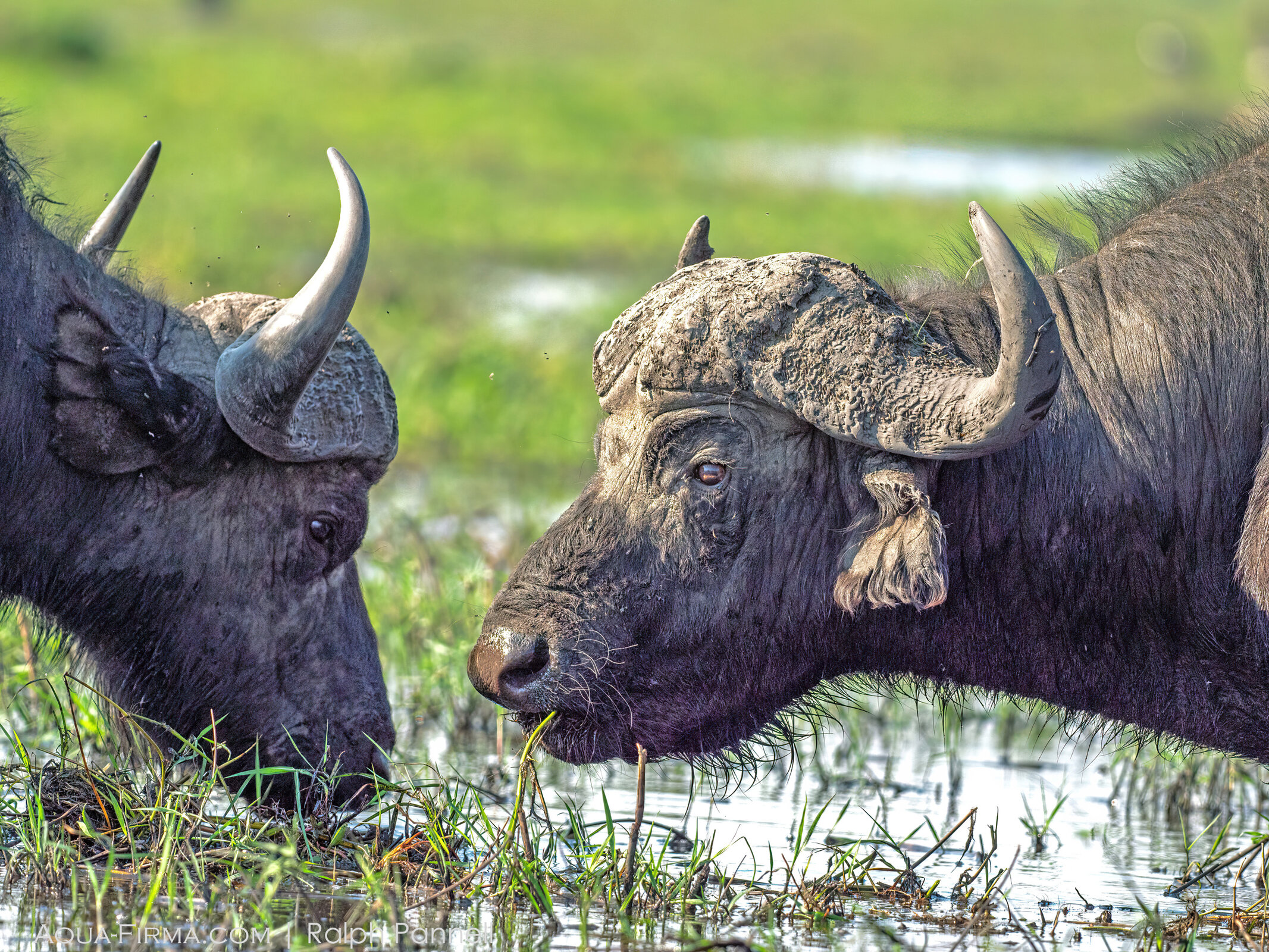
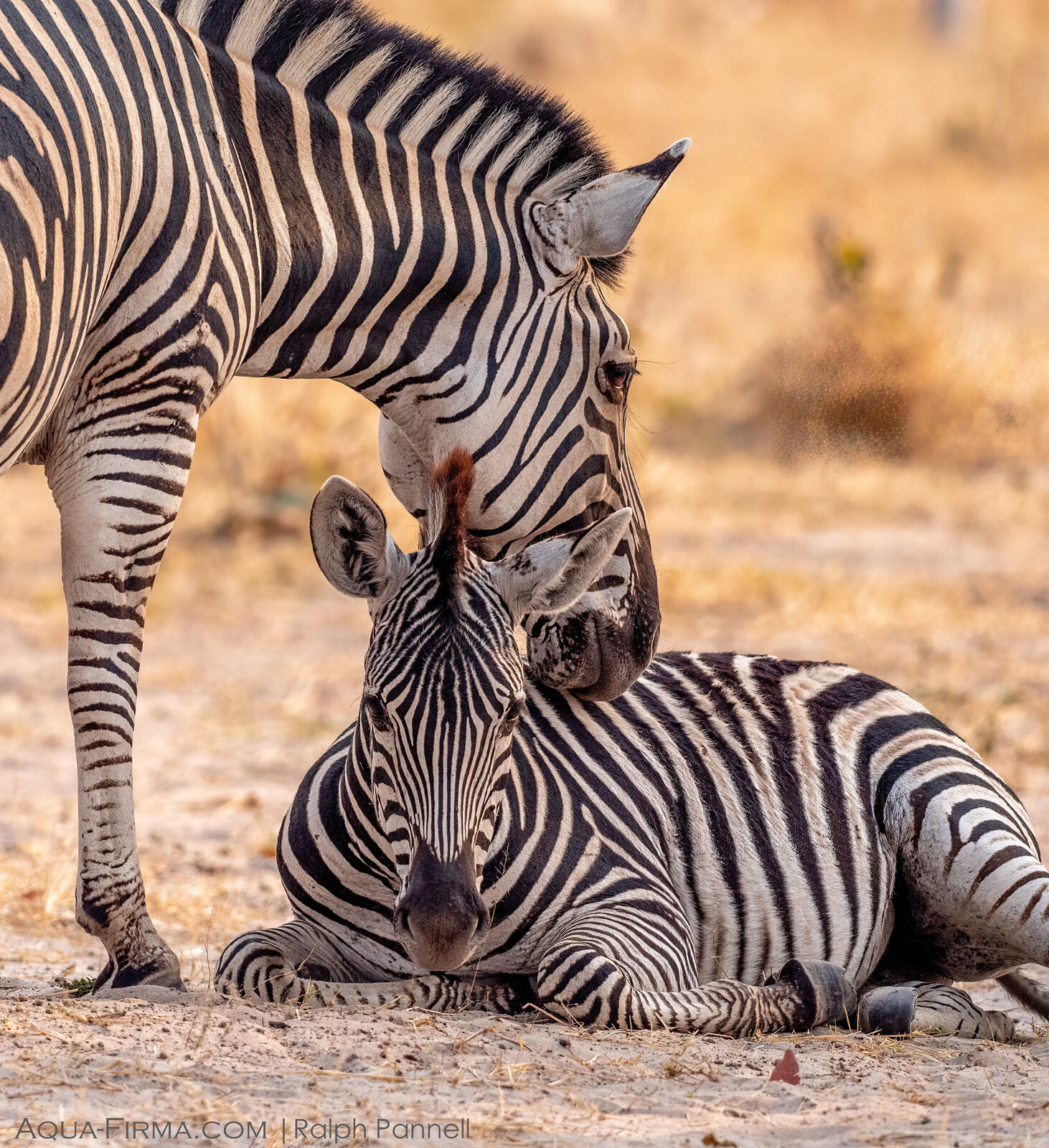
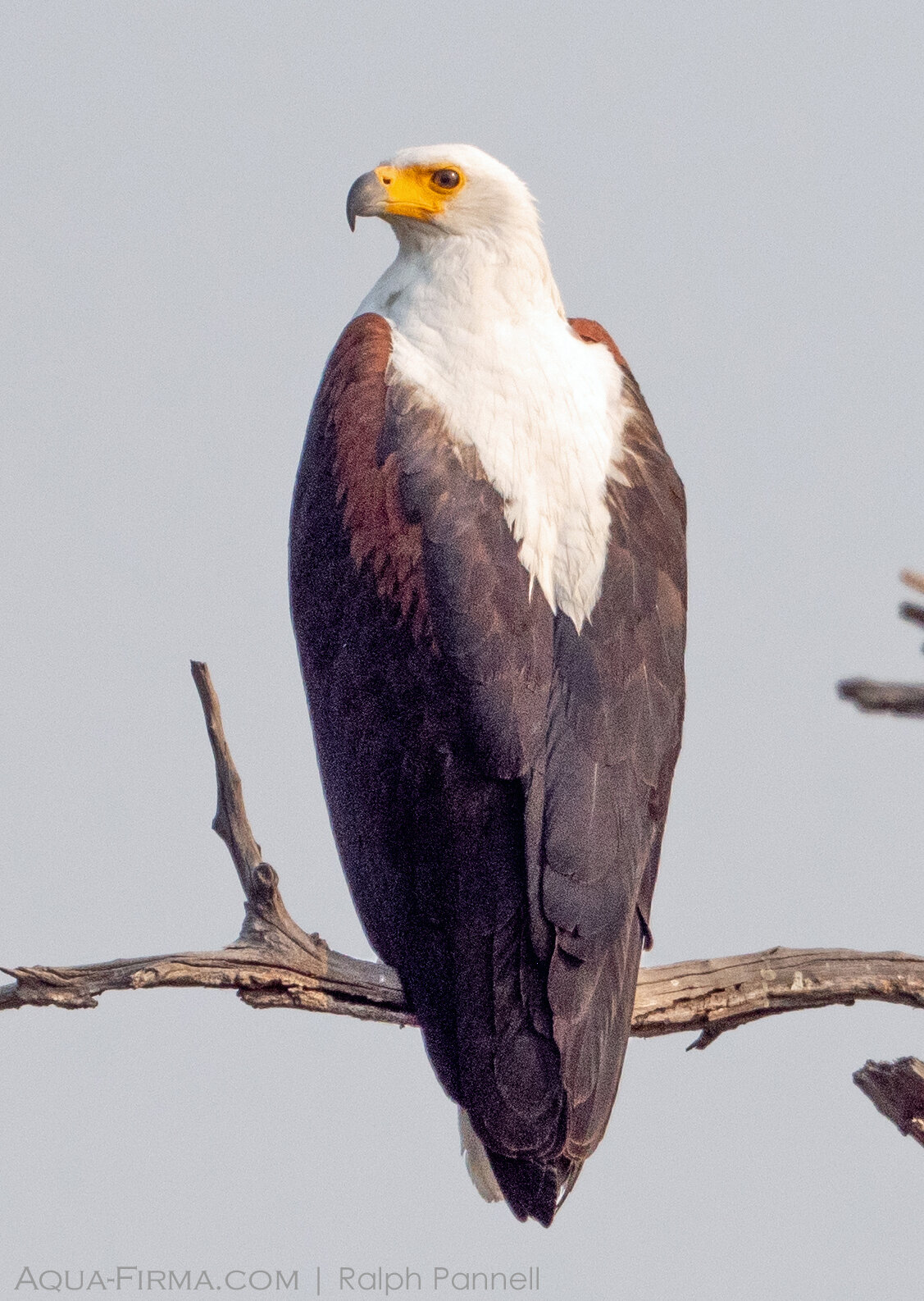
From Victoria Falls, we will drive across into Botswana to board a boat out onto the Chobe River, at the northern end of the Chobe National Park. We can hope to see lots of game on the river, with some great vantage points from which it photograph wildlife and birdlife. We can sometimes see some huge herds of elephants here, which sometimes decide to swim between Botswana and one of the several islands halfway to the Namibia side of the river. Birdlife abounds too in the form of flocks of pelicans, herons, sea eagles and hundreds of other species; and of mammals we may get close to African Cape Buffalo, Plains Zebras, riverside giraffes and lots more.
Savuti, Chobe National Park
Whilst northern Chobe, we quickly head south, away from busier parts of Botswana and into wilder parts of the Chobe National Park at Savuti. The drive will begin to give you a sense of just how vast Botswana's protected wilderness areas are.
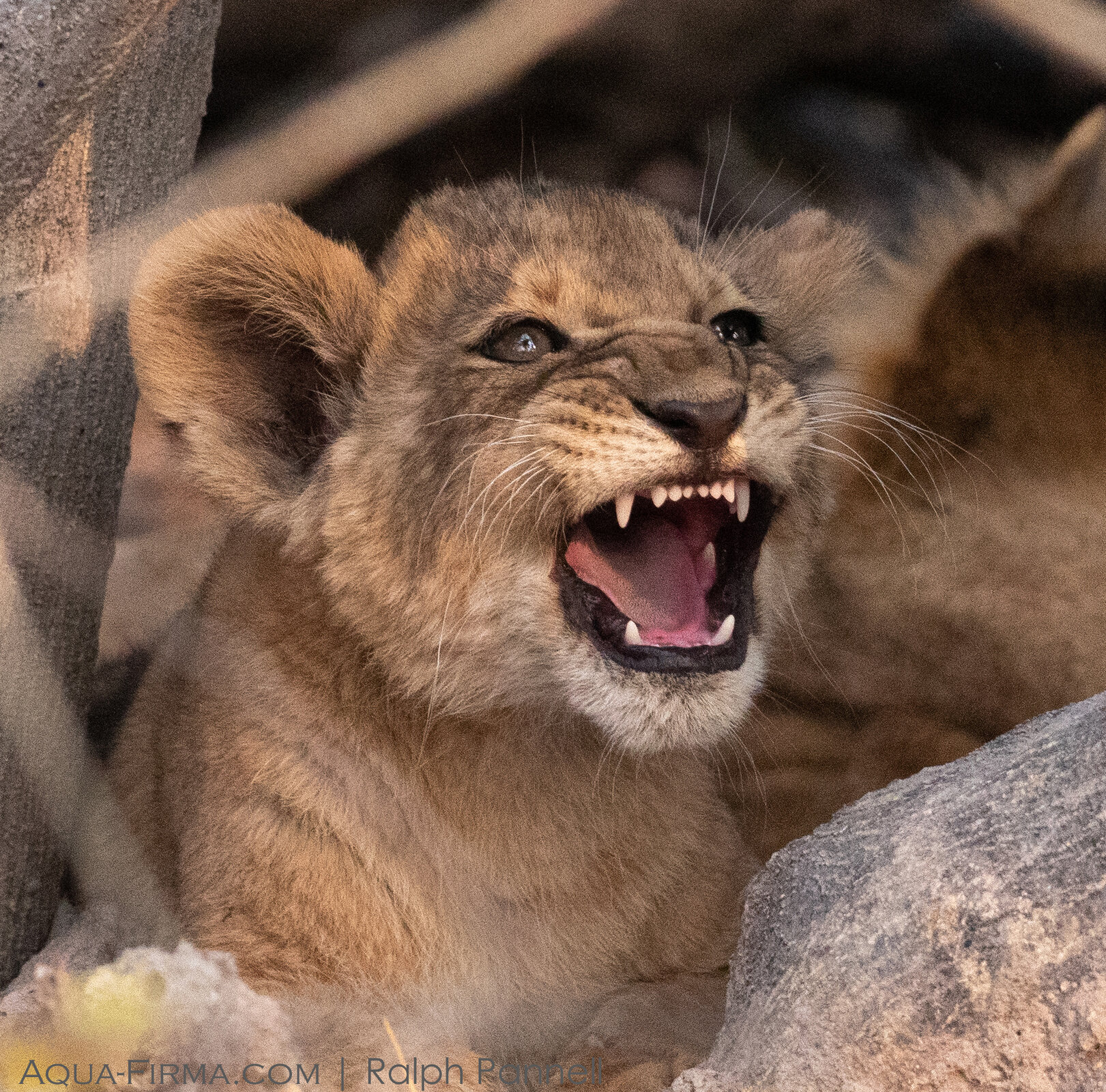
Savuti will initially present itself with rocky hills which make the area very beautiful and provide leopards with ideal raised vantage points from which to survey for prey. Life itself relies here on water holes, which are focal points for seeing grazing animals like tsesbe antelopes and zebras. Herds of elephants will clear as much space as they wish, to wallow and swallow, spraying themselves and other family members. Never too far away, we can find hyenas, prides of lions, bat-eared foxes and jackals.
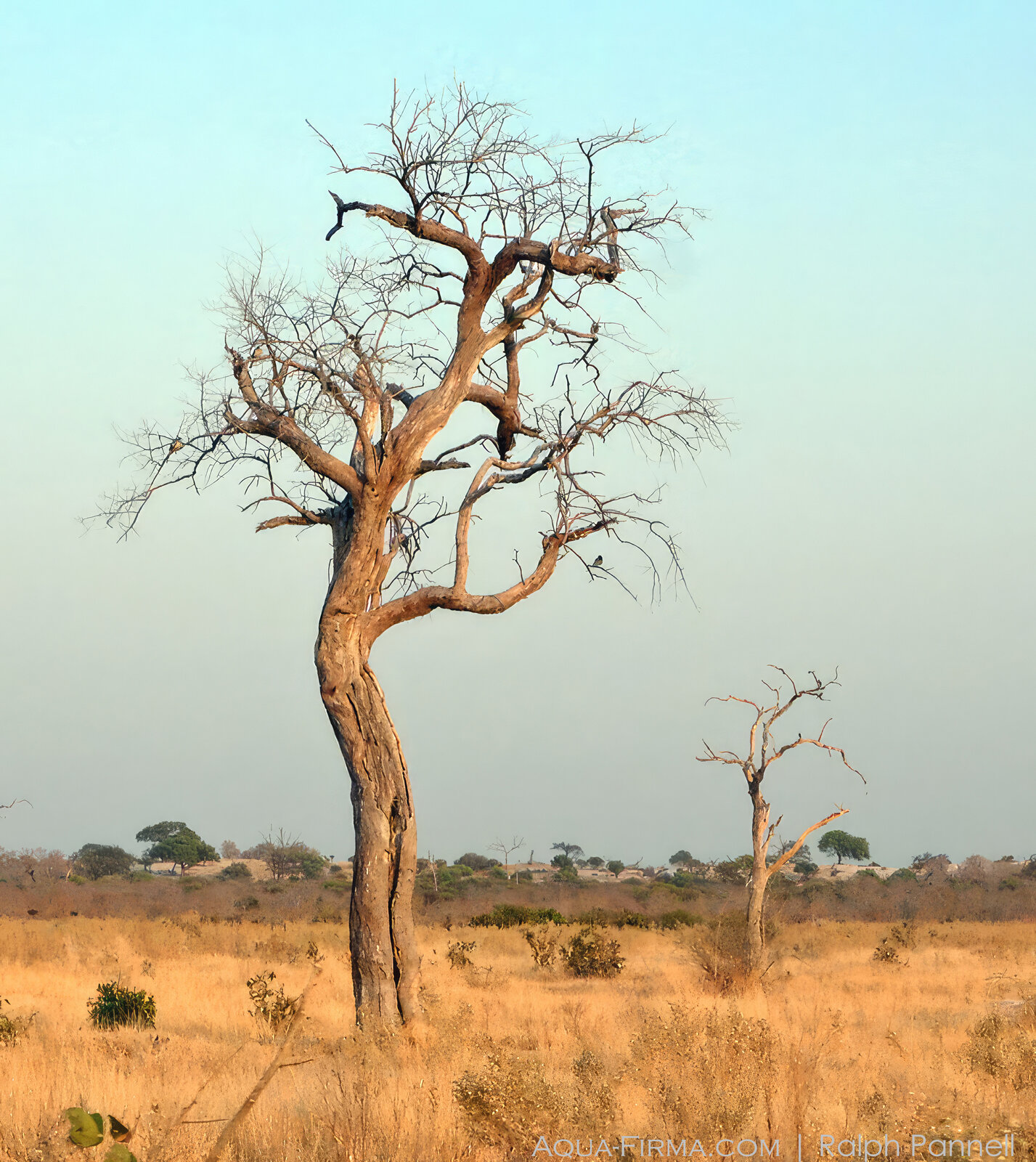
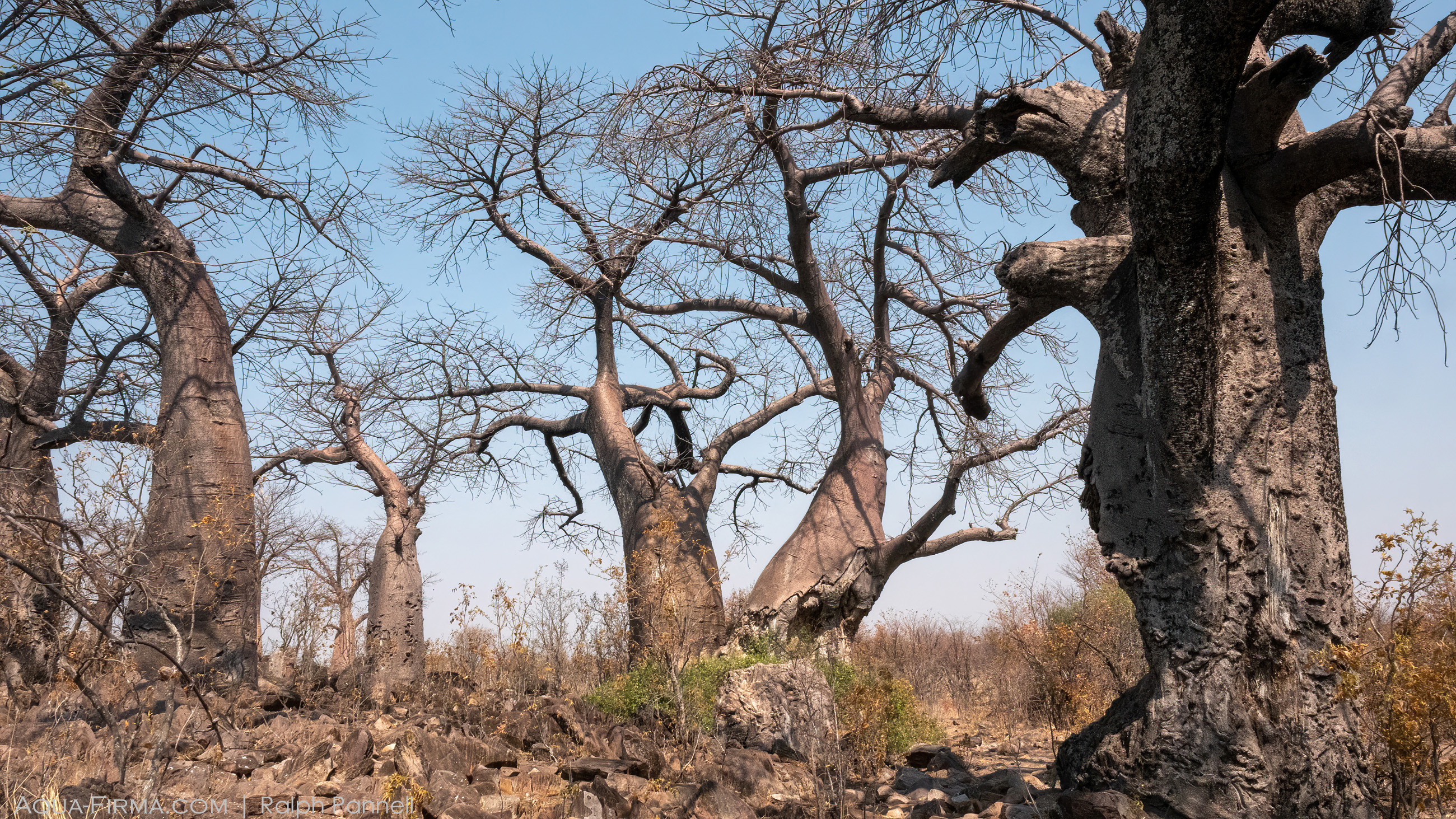
Broad isolated acacia trees provide wonderful skyline forms, especially with the Africa sun rising or falling behind them. We can also find an Avenue of Baobabs reminiscent of those we see in southwestern Madagascar.
Okavango Delta - Mababe Private Concession
From the Chobe National Park, we will drive you south to the Okavango River Delta and the Mababe Private Concession. Our glamping site will be set up in advance of your arrival, whilst we focus on looking for wildlife, before settling in for our safari camp dinner and fireside chats.
For the next two days we will explore the Mababe area. The Khwai River meanders through the concession giving ample riverside routes to explore. The Mababe concession has a strict maximum of 20 vehicles at any given time, so we will often feel very much alone. Along the Khwai riverbanks, we will explore Kalahari shrub to the east and cathedral mopane woodlands to the south; on game drives both during the day and at night. Exploring after dark with spotlights offers an opportunity to experience some of the nocturnal animals which are rarely encountered during the day.
Depending upon water levels, we may also take the opportunity to explore the surrounding wilderness on foot. Safely armed guarded, this provides an invigourating opportunity to gain a closer feel of the African bush.
Moremi Game Reserve
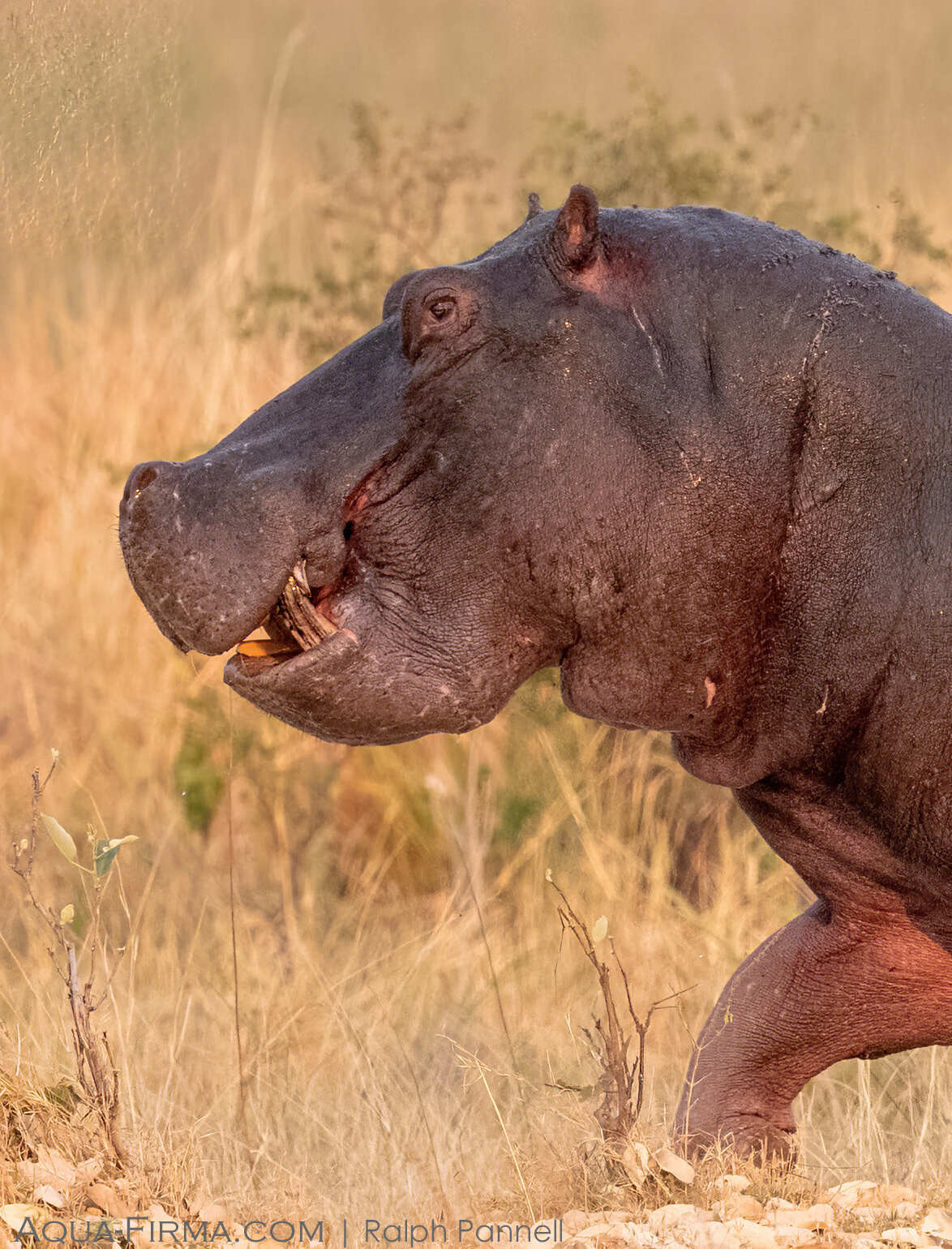
From Mababe we will drive into the Moremi Game Reserve in the eastern extremity of the Okavango Delta. There are many types of habitat here, with opportunities for some fantastic game viewing. Hippos can be found in unusually high concentrations, in flooded areas where tsessebe antelopes and red lechwe are also often seen. Leopards, cheetahs, servals, lions and striped hyenas all inhabit the area; and we will also be tuned in to try and locate African bush dogs.
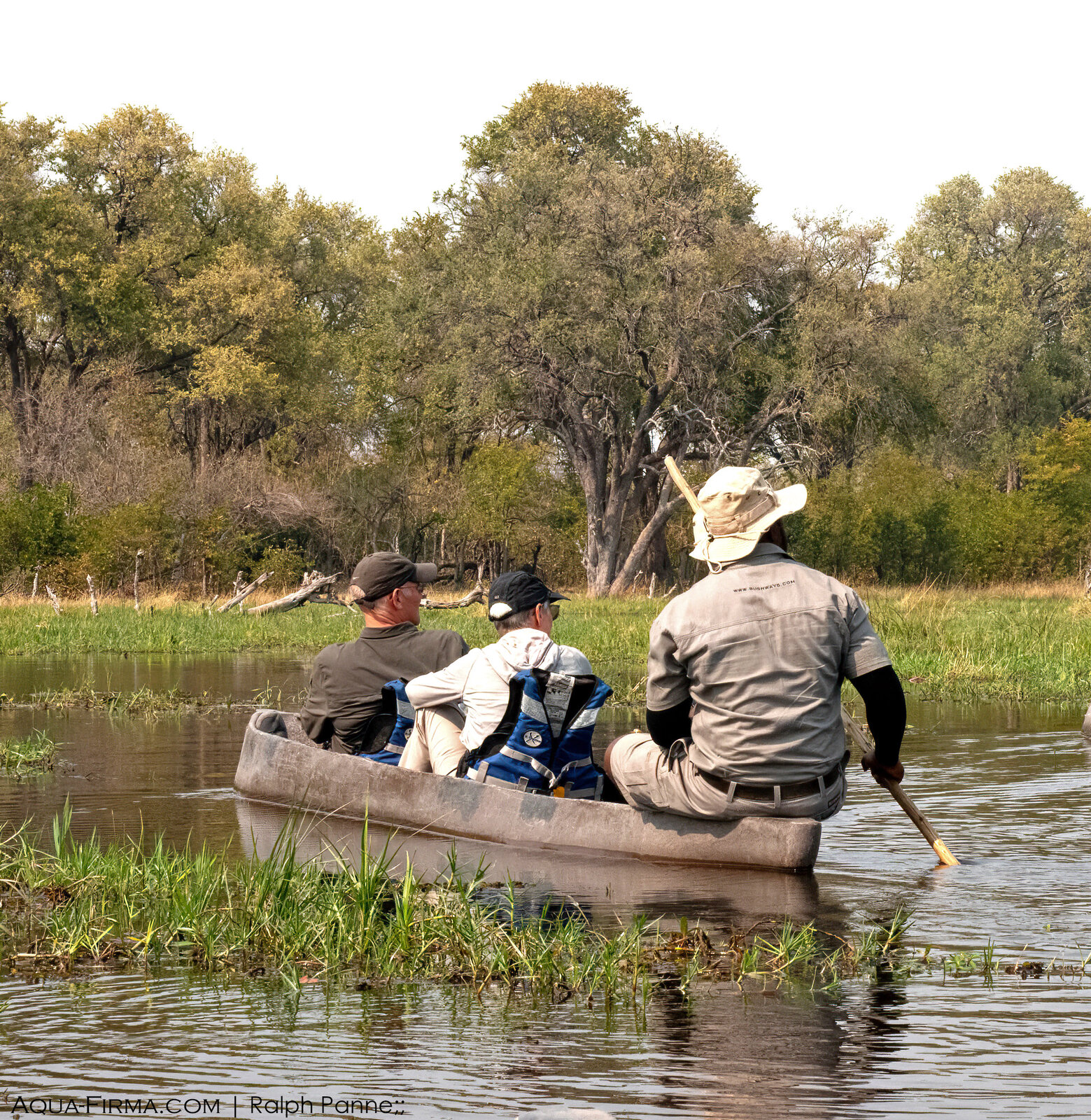
If water levels are as we need, you will have the chance to explore deep water channels in Moremi by makoro.
For birdlife possibilities, please check out our Itinerary section.
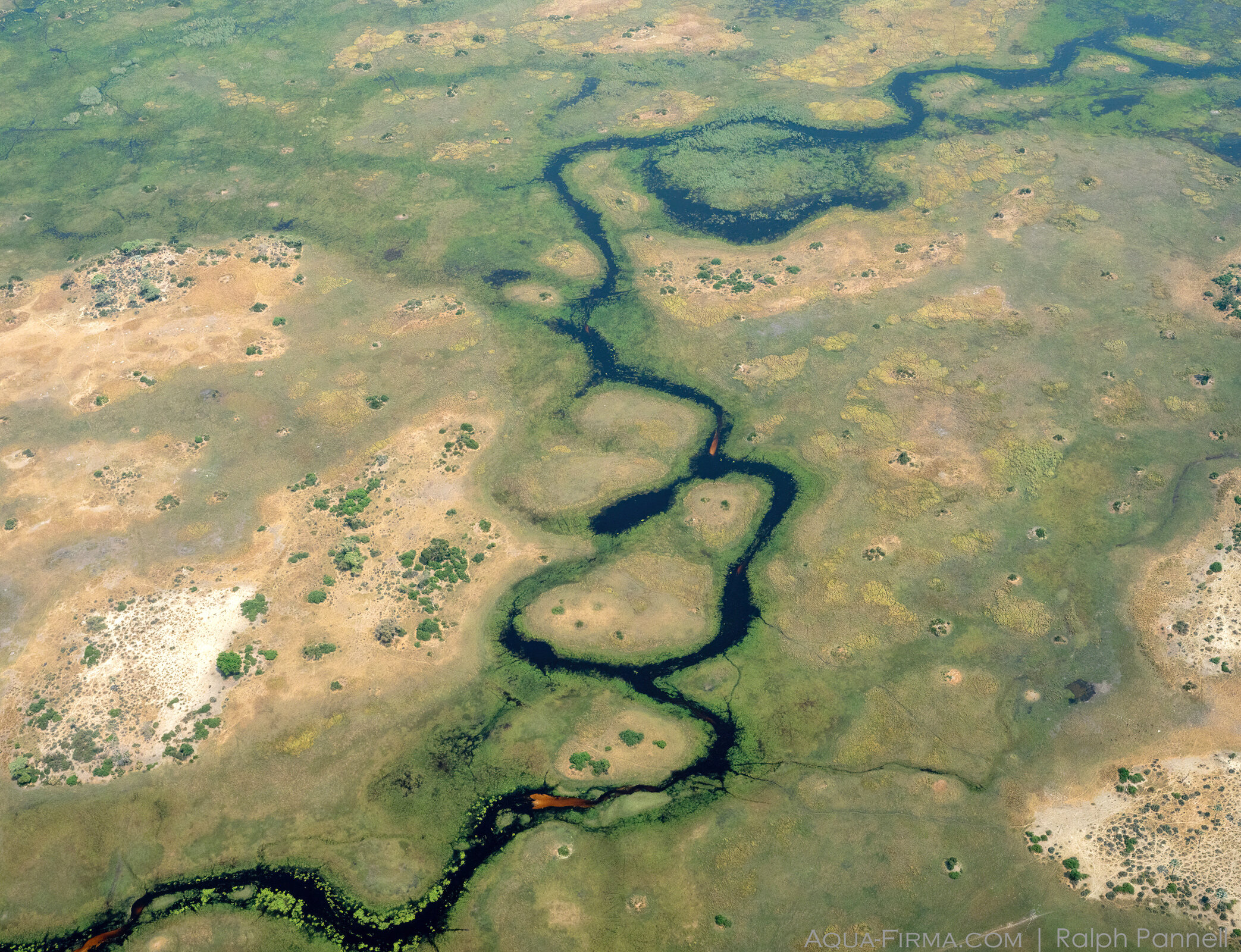
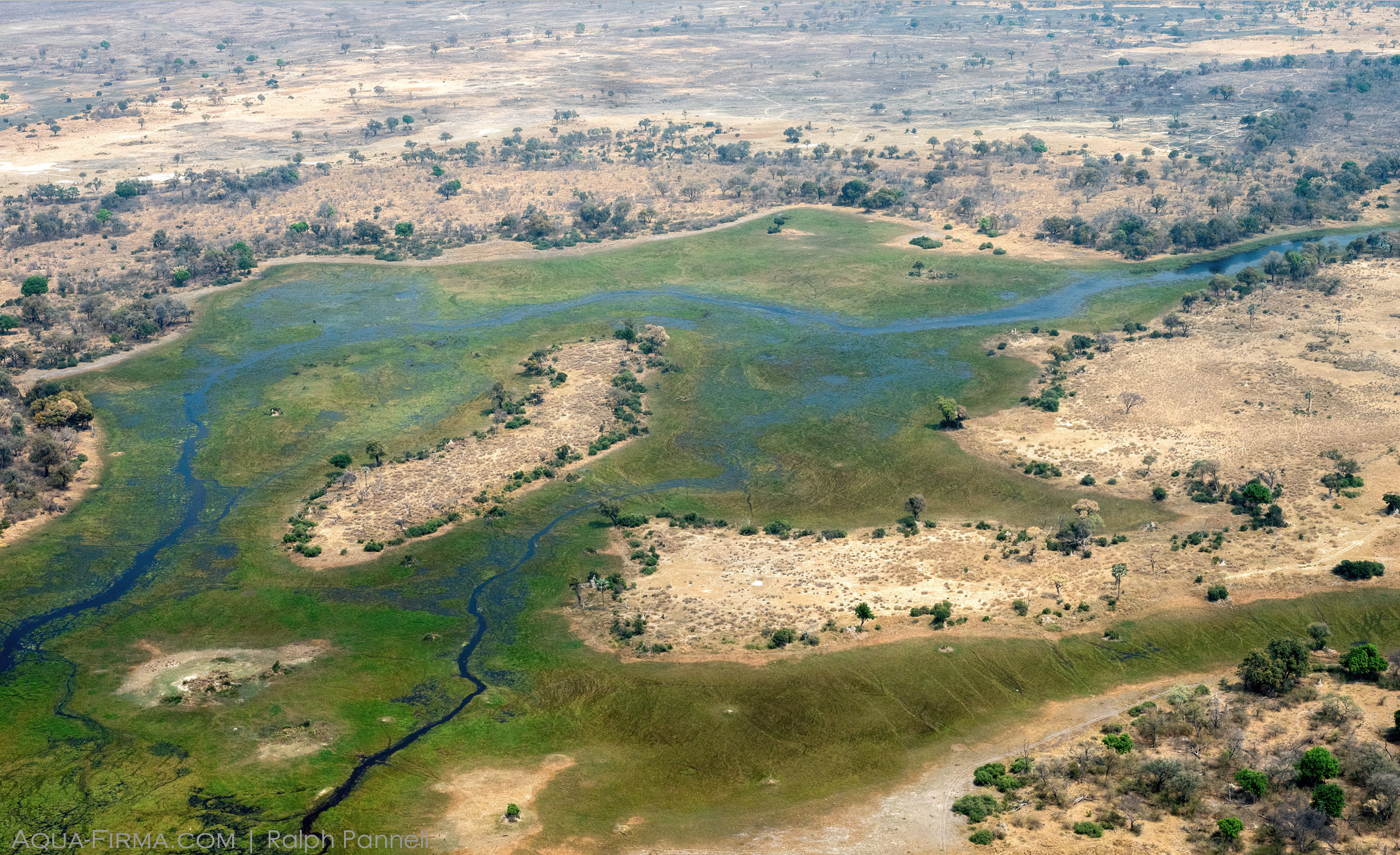
Our safari will end with a small plane charter flight to Maun, providing an opportunity to see some of Okavango's spectacular landscapes from the air.
For further details about Mobile Tented Safaris, please click HERE.
& Beyond
If you have time, we can tailor further exploration of Botswana, before or after this mobile safari. This could include lodge-based experiences in:
- Other parts of the Okavanago Delta
- Central Kalahari Game Reserve
- Makagadikgadi Salt Pans
- Hwange National Park in Zimbabwe
Itinerary
Botswana Wilderness, Wildlife & Photography Safari
Day 1 - Victoria Falls
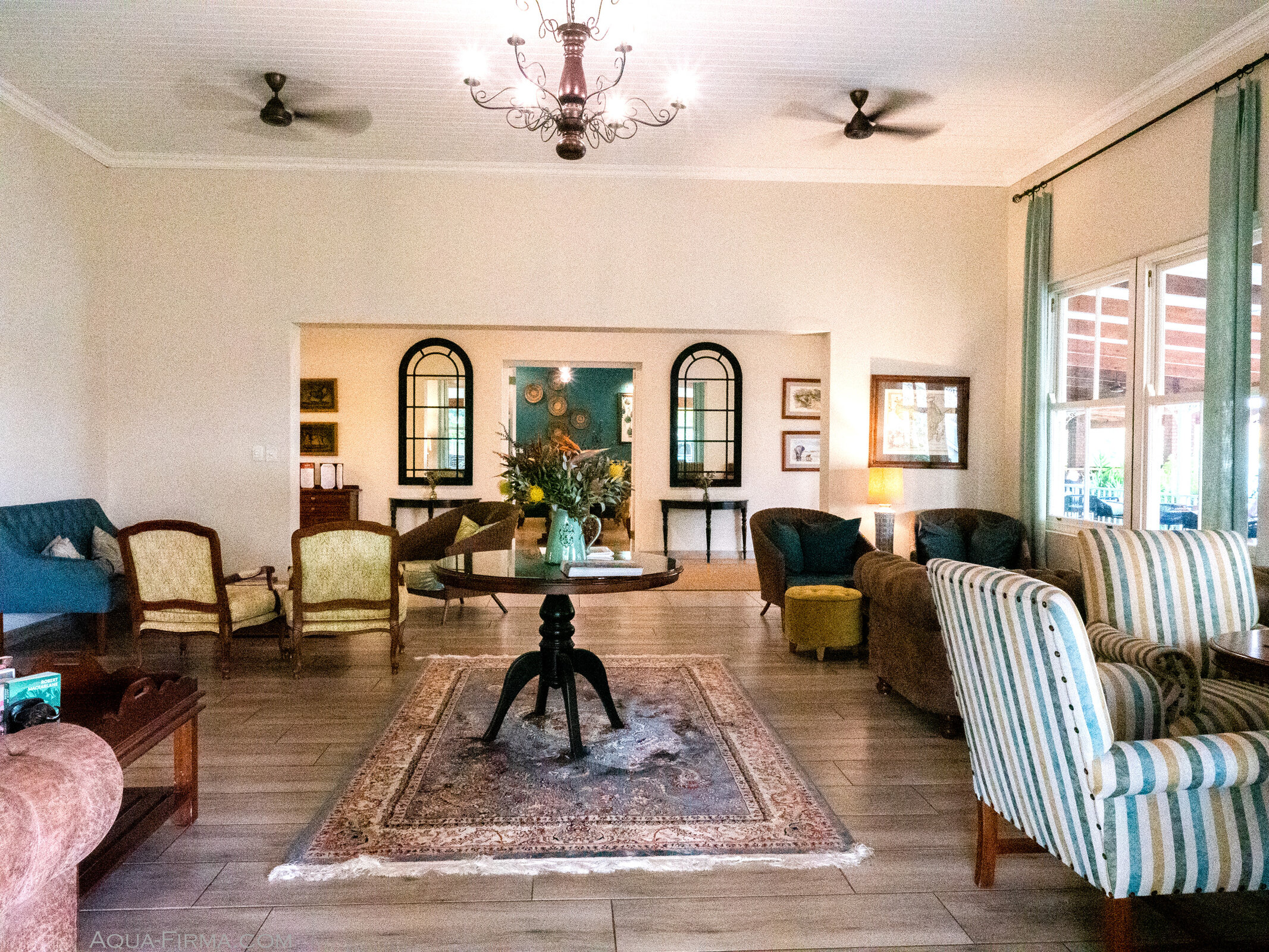
Your journey begins as you arrive into the lovely Zimbabwean town of Victoria Falls, where you will be met at the airport and transferred to a smart and friendly lodge in the quiet suburbs of town, just 3.5 kilometres from the falls. You will stay here for the next 2 nights - but you can extend as you wish, either purely for the Falls or we can take you to see more of Zimbabwe's Hwange National Park and beyond. Our lodge is equipped with a snug lounge, an indoor and outdoor dining area, curio shop, as well as a terrace opening onto the pool and garden area.
Day 2 - Victoria Falls
This morning, we will take you on a privately guide walk through woodlands on the Zimbabwean side of Victoria Falls. This will take around 3 hours, where we will explain the geology of the Falls and some of its history.
Your afternoon is free to stay longer at the Falls unguided; or explore the town; or we can arrange other activities today (or beforehand if you arrive earlier), including:
- Guided trip across to the Zambian side of the Falls.
- An overflight of the Falls by helicopter or Microlight.
- See the Falls from a Rigid Inflatable Boat.
- Take a sunset cruise or train ride alongside the Falls.
Day 3 - Victoria Falls to Chobe River and Savuti
After breakfast and checking out of the hotel, we will be picked up and transferred across the border into Botswana; and eventually to Kasane. Here your luggage will be loaded onto a vehicle, whilst you can take a small pack and camera gear onto a flat-bottomed motor boat which will take you out onto the Chobe River.
Our boat-based safari will take you around a islands which lie between Botswana and Namibia. These are usually excellent for seeing wading birds, Nile crocodiles, some hippos perhaps and usually elephants - sometimes herds numbering in excess of 100. If you are lucky, you might see these crossing the river between islands and the mainland. Where it's deep, the youngest will use their trunks as snorkels.
Back on dry land, our 4WD safari vehicle and local guides will then be ready and waiting to drive us through Chobe National Park, all the way to Savuti in Central Chobe. The journey will give you a great opportunity to absorb the vastness of Botswana's bush.
Throughout your safari, you will be travelling in a custom built vehicle with a maximum capacity of 6 guests, plus local guide and driver. Safari host, Ralph Pannell, will alternate between two vehicles. The seats are in a three seats per row configuration. There will be a fridge onboard, with drinks available for all guests to dip into anytime whilst on game drives. The vehicle is fitted with inverters and strip plugs allowing you to charge batteries whilst on safari using the ac changer which comes with your device. If you need to purchase an adapter, Botswana uses M3 3-pin Type M plugs (as used in South Africa).
Today's drive takes us from the Chobe River through the wonderful Zambezi teak woodlands of the Chobe Forest Reserve, across the sand-ridge and into the stunted mopane scrub of the Goha clay basin. We will pass through wild country where wildlife moves uninhibited by fences or man. Roan and sable antelope thrive in the teak woodlands, where the low density of predators and lack of competition for food by other ungulates makes this prime habitat for these large grazers. Leopards occur in these woodlands in low numbers; they are highly secretive and seldom seen. The Goha region has natural waterholes which hold water well into the dry season; and herds of buffalo, Plains Zebras, greater kudu and elephant come down to drink.
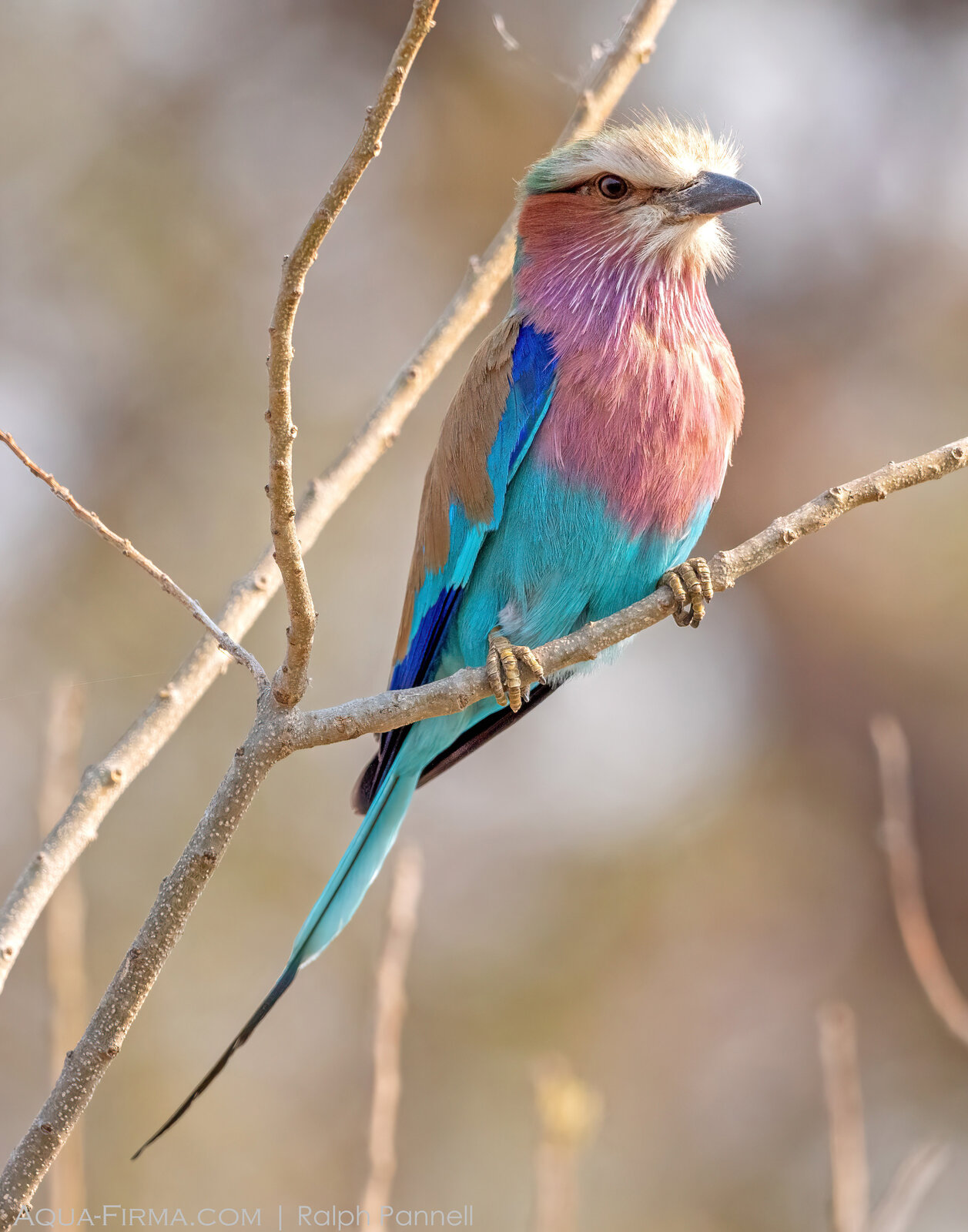
The most unusual avian species are to be found in the teak (Baikea plurijuga) woodlands. This broad-leafed woodland, or miombo as it is locally known, provides good pickings for insectivorous birds which favour canopy habitat. Grey Tit-Flycatcher, Ashy Flycatcher, Paradise Flycatcher, Pallid Flycatcher, Scarlet-chested Sunbird, Amethyst Sunbird, Yellow-throated Petronia, Red-headed Weaver and Violet-backed Starling are some of the species which move around in 'bird parties' in the canopy. The Dickenson's Kestrel, Red-necked Falcon, Peregrine Falcon and Lizard Buzzard are some of the raptors to keep an eye out for, while the diminutive White-faced Owl can often be seen roosting in the road-side vegetation. Flappet Lark, Fawn-coloured Lark, Dusky Lark, Olive-Tree Warbler and Neddicky are species more likely to be enjoyed by the birding enthusiast.
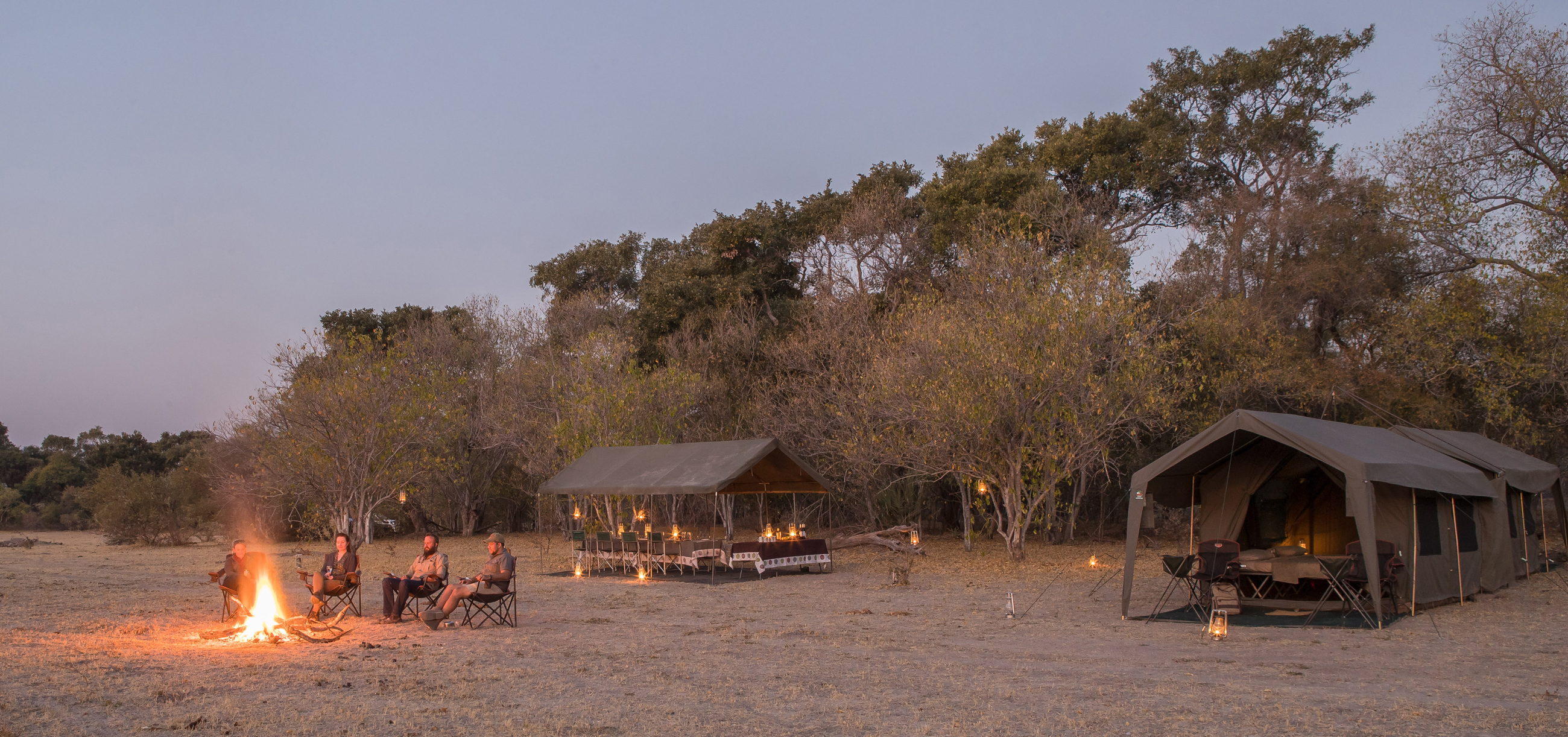
Our accommodation for the next nine nights will be in a mobile tented camp, which will be set up in different locations over your safari.
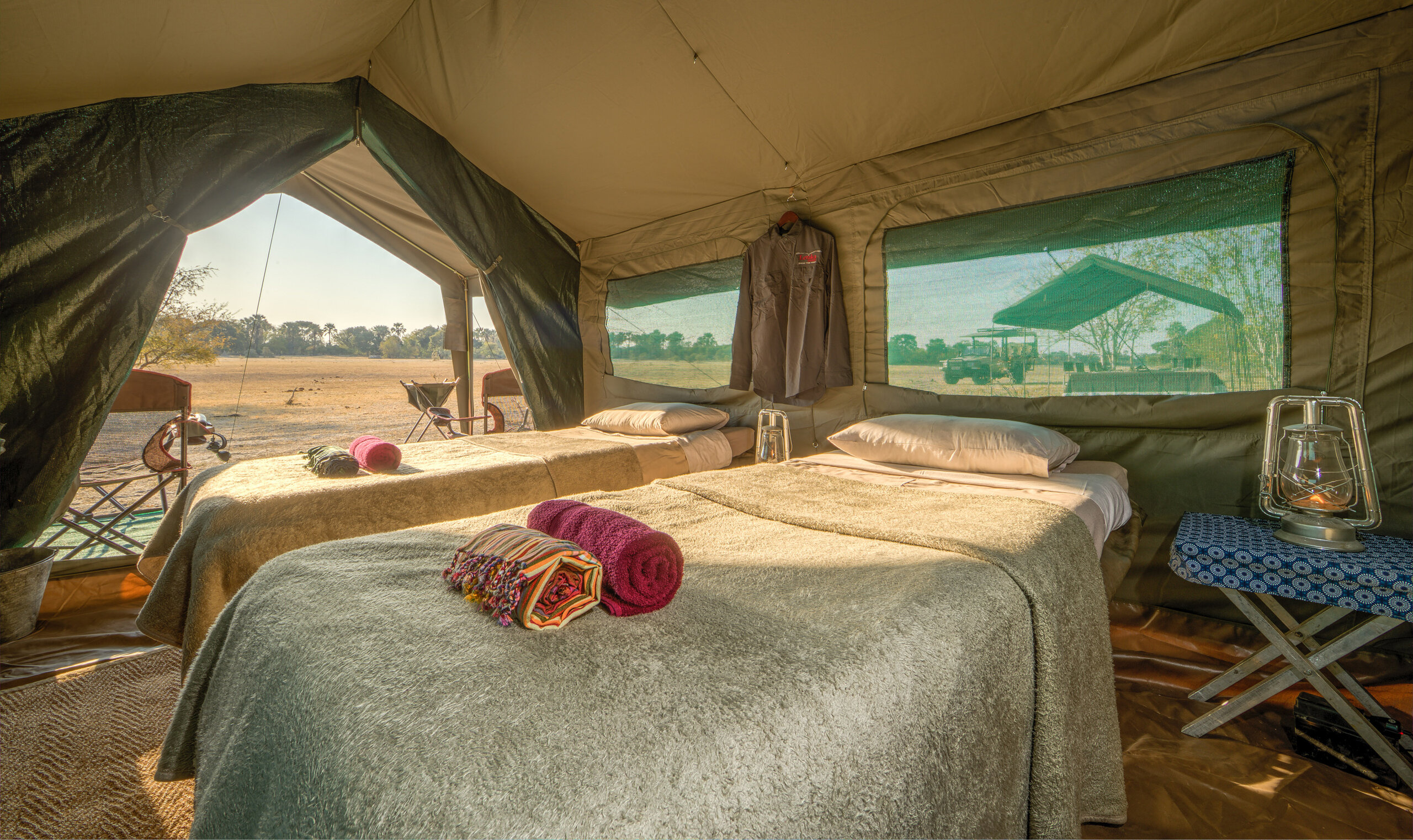
The tents are 4 x 3m Sahara style tents with high roof with a 2 x 3m en-suite bathroom and a 2 x 3m covered area in front of the tent. They are fitted with solid base camp beds made up with mattresses, sheets, duvets and pillows. The tents have en-suite long drop toilet facilities and a bucket shower at the rear of the tent. Showers can be ordered as hot, cold or warm and the water is heated in a bucket on the fire. Showers may be taken at any time, but your guide team may need to decide to limit water use and showering if availability of water demands. Both hand towels and bath towels are supplied for your convenience, but you should bring your own personal items and toiletries.
Each tent has an oil / paraffin lamp on the veranda and in the bathroom and within the tent itself, a LED rechargeable camp light is supplied along with a side table in the sleeping area and in the bathroom. Although each tent has lighting and there are lamps strategically around the camp for navigation, an essential tool for your safari is a head torch. This lets you read a book at night in your tent, or catch up with your safari journal as you listen to the sounds of the wild outside! It is advisable to purchase a good head torch and have one available per person.
Days 4 & 5 - Savuti (Chobe National Park)
Over the next two days we will explore the Central Chobe area, participating in game drives and walks to see rock art painted by bushmen. Unlike the vast majority of the country, Central Chobe is not a flat landscape. Large outcrops of volcanic rock rises out of the Kalahari sands, towering over the endless savannah. These hills provide habitat for a completely different array of small wildlife, birds and plants. The Savuti Marsh has been the stage for many of the most dramatic wildlife documentaries in Africa. The wide open country, good ungulate populations and particularly strong prides of lion and hyena clans make for dramatic wildlife interaction and excellent viewing opportunities. The now dry Savuti Channel runs through this landscape linking the drysand-veld, the waterholes, the hills and the grassland which was the Savuti Marsh.
Undoubtedly it is the interaction between lions and elephants which is the most interesting aspect of Savuti. The area is inhabited by a huge pride of lions, with numbers fluctuating from 20-30 members. These remarkable lions have learned over the years how to hunt these massive pachyderms, which are supposedly above predation. Launching their attack under darkness and using their numbers, they are able to kill an adolescent and even young adult elephant.
The surface water that is pumped by the Government here provides a major attraction for birdlife. In the dry season, thousands of dove and sandgrouse come down to drink in the mornings and are under constant surveillance by Yellow-billed Kite, Tawny Eagle and African Hawk-Eagle. Red-crested Korhaan are common in the Kalahari Apple-leaf (Lonchocarpus nelsii) veld. The marsh is the summer home for good numbers of Caspian Plover and Montague's Harrier as well as Chestnut-backed Sparrowlark, Grey-backed Sparrowlark, Northern Black Korhaan, Rufous-naped Lark, African Pipit and Desert Cisticola. Dickenson's Kestrel, Amur Falcon and Red-necked Falcon are found along the perimeter of the marsh.
Day 6 - Savuti to Mababe
Today, we will pack up and leave the parched landscape of Savuti and head south to the Mababe Private Reserve area. A fascinating day's drive looking at some of the evidence of the Paleo-Lake Makgadikgadi that dried up some ten thousand years ago. The most challenging part of the trip is crossing the Magwikhwe Sand-ridge which formed the shoreline for this massive inland sea. The winding track through this deep sand makes for interesting travel in the early summer! The old lake bed is now the Mababe Depression. The dense clay floor of the depression results in high protein feed for wildlife and the area teams with game after the rains. During the rainy season the depression is impassable due to the "cotton soil" and alternative routes must be used.
We will pass through most of the habitat types which exist in northern Botswana. Elephants may be seen throughout the drive but are more common at the start and end of the drive where permanent surface water can be found.
The Mababe Depression is a birder's paradise. The nutritious grasses that grow on the rich soils, provide excellent seed for an impressive array of estrillids and viduids. Among these are the magnificently coloured Violet-eared Waxbill, Black-cheeked Waxbill, Village Indigobird, Shaft-tailed Whydah and Paradise Whydah.
These in turn provide a good food source for small raptors such as the Little Sparrowhawk, Shikra, Gabar Goshawk, Red-necked Falcon and Lanner Falcon. It is not only small birds that feed on the grass seeds, but rodents too. There are annual outbreaks of huge numbers of rats and mice. As a result, huge numbers of Secretary Bird, Tawny Eagle, Black-shouldered Kite, Steppe Eagle, Lesser-spotted Eagle, Wahlberg's Eagle and Steppe Buzzard can be found.
Days 7 & 8 - Mababe
For the next two days we will explore the Mababe area. The Khwai River meanders through the concession giving ample riverside routes to explore. We spend the following two nights camping at an exclusive campsite in the Mababe concession, which has a strict maximum of 20 vehicles at any given time. We will be exploring the riverbanks, Kalahari shrub to the east, cathedral mopane woodlands to the south, on game drives both during the day and at night. Exploring after dark with spotlights offers you an opportunity to experience some of the nocturnal animals which are rarely encountered during the day.
Depending on conditions, we may also take the opportunity to explore the surrounding wilderness on foot, to enjoy an up close and personal encounter with Botswana's flora and fauna. It is important to note that night drives and guided walks are not permitted within national parks and reserves. These activities are conducted outside the boundaries of the Moremi Game Reserve, in the Mababe Private Reserve.
We will spend your time between the dry-land habitats of the lead-wood and camel-thorn woodlands and savannahs and the riverside banks of the Khwai River, as well as the "mini-CKGR" habitat in the western parts of the concession (CKGR = Central Kalahari Game Reserve).
The Mababe region boasts excellent populations of both bull elephants and breeding herds. Lion, leopard, serval and African wildcat are common predators of the region, with wild dog and cheetah being less common.
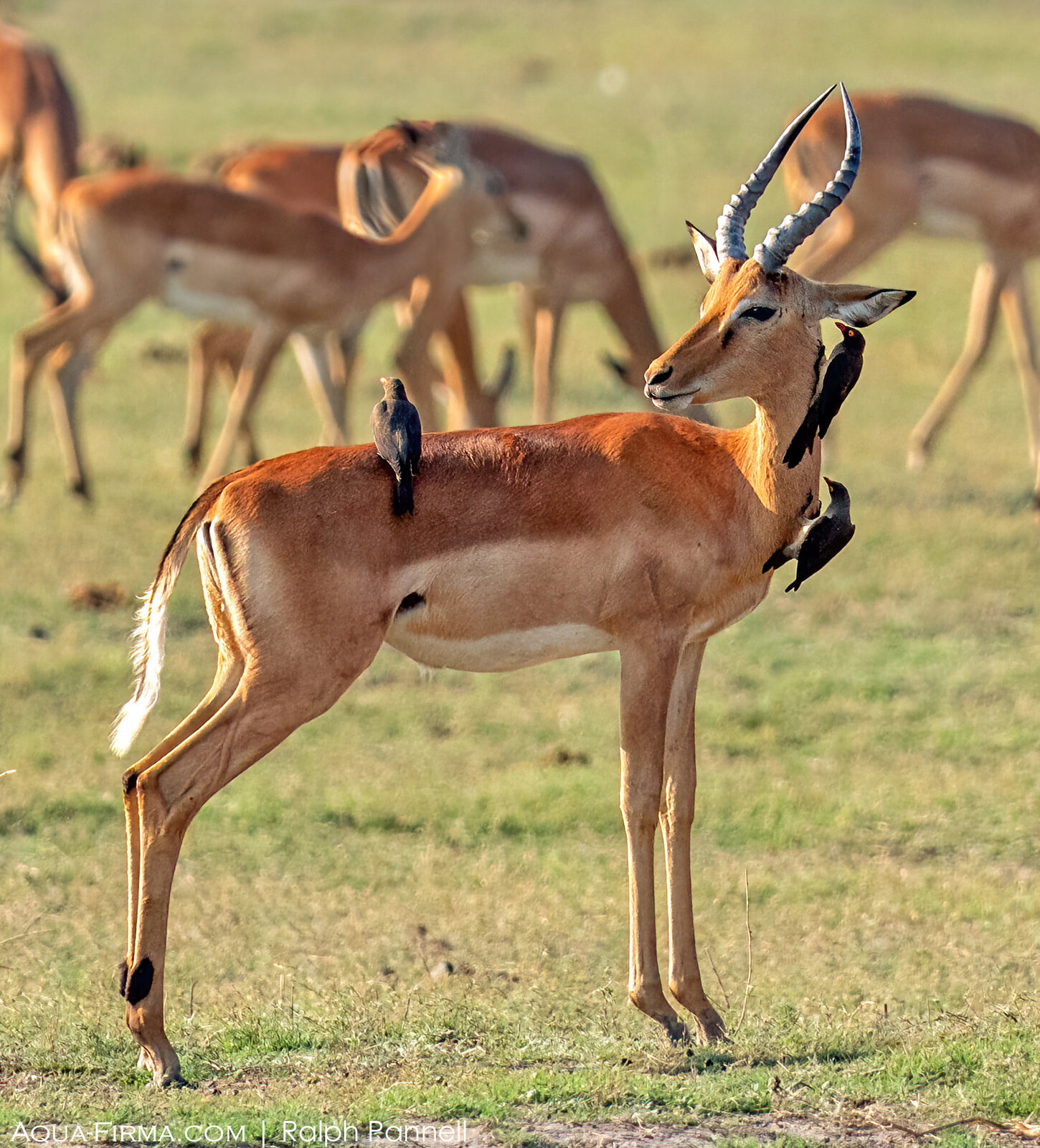
Buffalo use this area seasonally with large herds moving in during the summer rains. Other ungulates include tsessebe, blue wildebeest, giraffe, kudu, sable antelope, roan antelope and impala, and even eland and oryx in the western parts.
Botswana's national bird, the Kori Bustard, is a resident in the lower reaches of the Mababe Depression. The western reaches are prime habitat for the uncommon Rosy-throated Longclaw. The entire length of the river is hunting domain for the Bat-Hawk. Other interesting raptors here are Cuckoo Hawk (rare), Long-crested Eagle and Black Sparrowhawk. More commonly Tawny Eagle, Steppe Eagle, Lesser-spotted Eagle, Martial Eagle, Bateleur and African Hawk-Eagle. The waterways host Africa Rail, African Crake, Greater Painted Snipe, Allen's Gallinule, Lesser Jacana and Lesser Moorhen.
Day 9 - Mababe to Xakanaxa
Today, we will move on from Mababe and drive further south to Xakanaxa. This will be a full day of extended game drive and a picnic lunch along the way.
This morning we will head towards and through Khwai, stopping to do a mokoro excursion on the slower and safer backwaters of the Khwai River and the Mbudi channel. The day's journey follows this water course, with the track weaving from the riverside and floodplains into the mopane veld and the woodlands before crossing the Khwai River and entering the Moremi Game Reserve.
The western mopane veld is home to mostly breeding herds of elephant, whilst the eastern reaches of Khwai is home to some impressive old bulls. The mature bulls revel in the cool waters of the Khwai River and are far more approachable while drinking and bathing than the breeding herds. The river has an unusually high density of hippo as well as some huge crocodile. Leopard, cheetah, serval and lion are common predators along this route and both Xakanaxa as well as Mababe are included in the home ranges of different packs of wild dog.
General game includes southern giraffe, Burchell's zebra, tsessebe and red lechwe, with roan and sable antelope being less common residents. In the mopane woodlands African Hawk-Eagle, Tawny Eagle, Gabar Goshawk, Little Sparrowhawk, African Harrier Hawk and Shikra are common raptors. Mixed bird parties move through the canopy and include Redheaded Weaver, Stierling's Wren-Warbler, Scarlet-chested Sunbird, Neddicky, Yellow-breasted Apalis, Chin-spot Batis, Diederik Cuckoo to name but a few. The verges of the swamp form breeding grounds for the Rosy-Longclaw, Black Coucal, Long-legged Bustard and the African Crake.
Days 10 & 11 - Moremi Game Reserve (Okavango Delta)
The next two days, we will explore the Moremi Game Reserve. Moremi lies on the eastern extremity of the Okavango Delta. Habitats here range from wide-open floodplains, marshes, lagoons, papyrus fringed channels, vast reed-beds of Miscanthus and Phragmites, woodland and savannah. As a result of the extremely variable habitat the diversity of both wildlife and birdlife is excellent.
Every type of mopane habitat is well represented in this drive, from the towering cathedral woodlands Xakanaxa, to the classic climax mopane woodland and in the drier and harsher habitats, extensive stretches of scrub mopane. The San-ta-Wani region has scattered ephemeral water pans with large floodplains and camel-thorn woodlands. 40 km of the drive is in Moremi Game Reserve, with a further 40 km in areas designated for wildlife management where animals roam freely to and from the Game Reserve.
A good day for raptors with African Hawk-Eagle, Gabar Goshawk, Shikra, Little Sparrowhawk, Dark Chanting Goshawk, Tawny Eagle, Lesser Spotted Eagle and Steppe Eagle; all inhabiting the mopane and adjacent woodlands. Other birds common along this route includes most of Botswana's hornbills including Red -billed, Southern Yellow-billed, African Grey, Bradfield's and the Southern Ground Hornbills. A large number of broodparasites may also be seen. Diederick Cuckoo, Levaillant's Cuckoo, Jacobin Cuckoo, Great-spotted Cuckoo, African Cuckoo, Common Cuckoo, Shaft-tailed Whydah, Pin-tailed Whydah, Eastern Paradise Whydah, Greater Honeyguide, and Lesser Honeyguide.
Day 12 - Maun
After breakfast and an early morning game drive, we will head to an airstrip for a small-plane charter flight back to Maun, arriving at around 12:30. This small-plane flight can provide an excellent aerial perspective of the fringes of the Okavango Delta.
Dates
Price per person sharing
Single supplement: none if sharing.
£150 solo occupancy up to a maximum 2 persons.
Price includes
All guiding
Flight Moremi to Maun
All land and river safari transportation
Safari accommodation with all meals in a premium mobile safari tent with raised bed & bedding & en suite safari bathroom, closed at the sides and open to the stars
Victoria Falls hotel 2 nights b&b basis
Park fees
All house drinks on safari (local beers, bottled wine, gin, juices ...)
Drinking water
Not included
Tips
Personal travel insurance
International flights