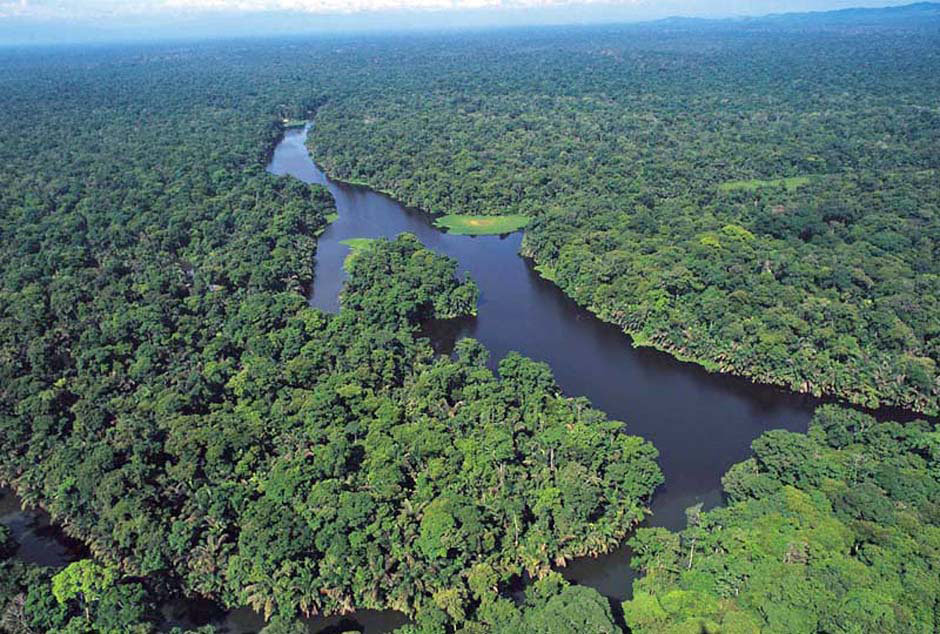
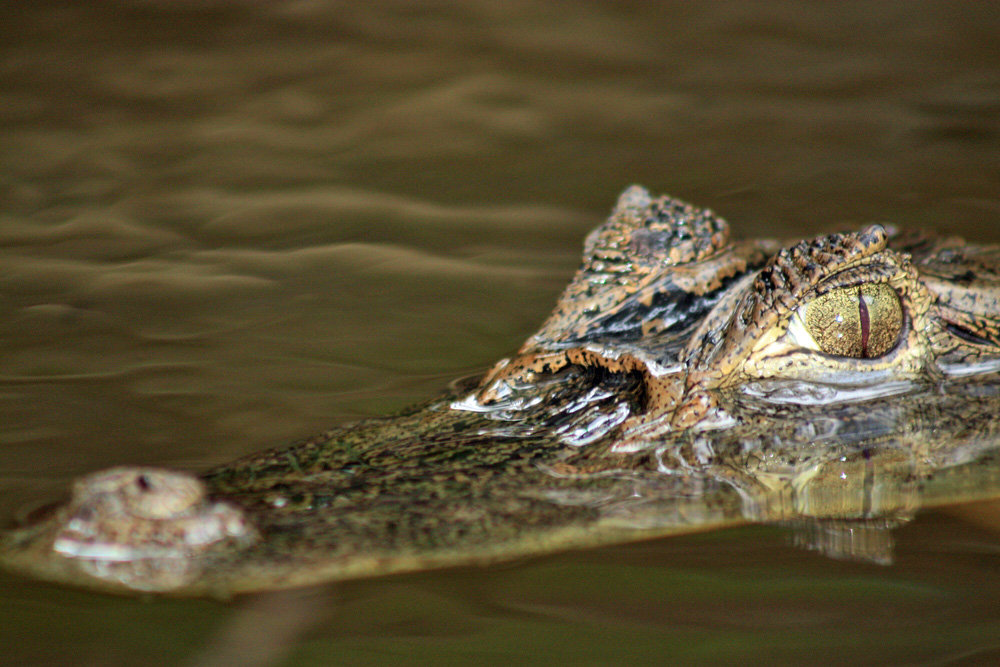
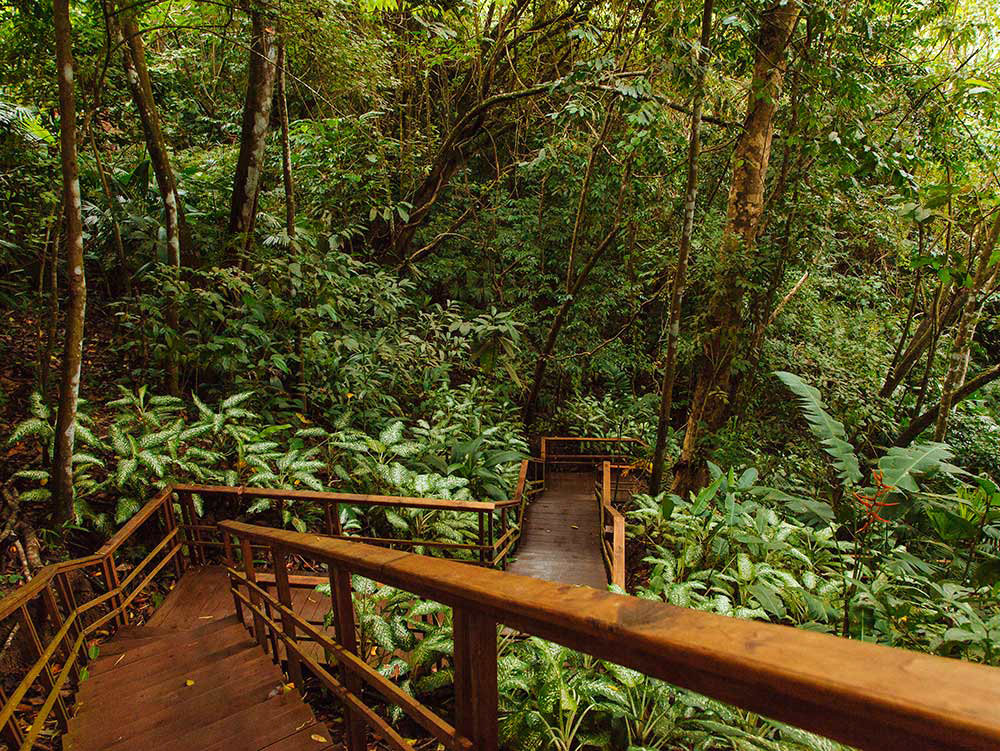
This journey from the Pacific to the Caribbean coast of Costa Rica takes you to some of Central America's best wildlife and marine life viewing opportunities. It also provides an intense experience of rainforest, cloud forest, marine turtle and primate research and conservation.
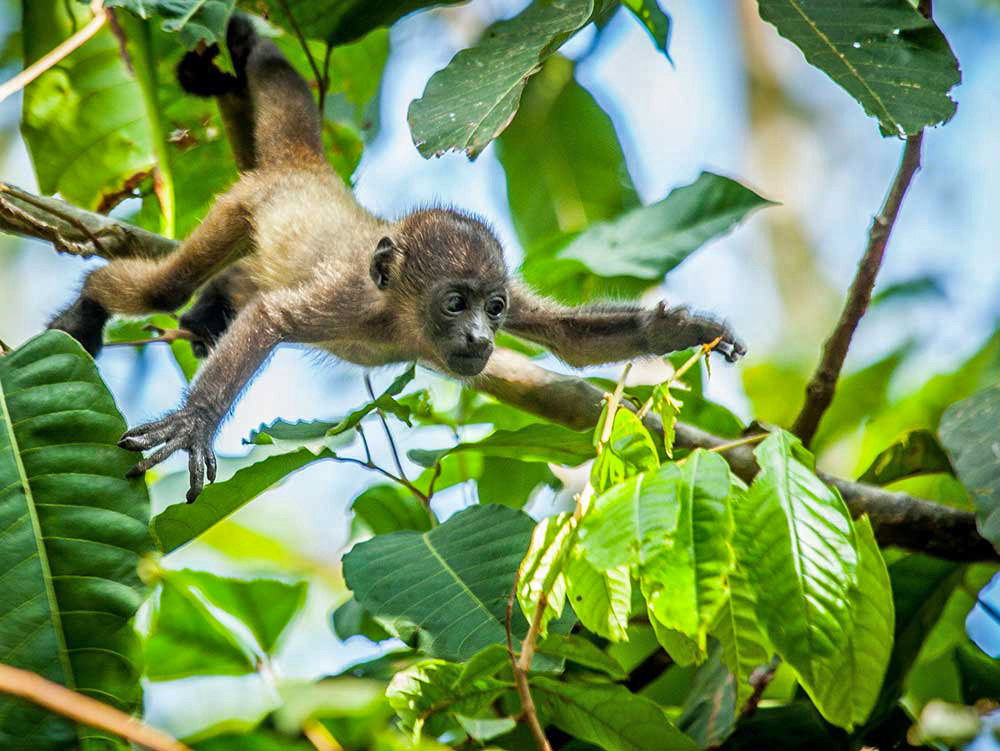
For wildlife and marine life, the Corcovado National Park in the Osa Peninsula is a must for any visit to Costa Rica. The area has been described by National Geographic magazine as '..the most wildlife intense place on earth', both because of its primeval forest and abundant offshore life. The western side of the Corcovado provides more than 30 miles of beach where the rainforest meets the Pacific Ocean. Populations of howler, capuchin, spider and squirrel monkeys are so healthy along the coast that they live in closer proximity than you are ever likely to find elsewhere.
Offshore, humpback whales from both the northern and southern hemispheres migrate. 17 kilometres from the coast of the northern Corcovado is the Caño Island Biological Reserve. Aside from Cocos Island way out in the Pacific, this is where you will find the country's best marine life, both on the surface and beneath it. Dolphins are a feature of most visits to the island. Olive Ridley turtles and manta rays are also often seen at the surface and below. The coral reefs and steep drop-offs provide excellent snorkelling if you wish, with some huge shoals of fish and pelagic visitors such as sharks and barracudas. We can pre-arrange diving for certified divers.
The wildlife and marine life highlight for us on the Caribbean coast is an 'on location' experience at an Endangered Wildlife Trust and Rainforest Concern project conservation project site. It was initially established to protect one of Central America's most important nesting grounds for the giant Leatherback Turtles. It also protects a growing area of rainforest, the future protection of which your visit with us helps to protect.
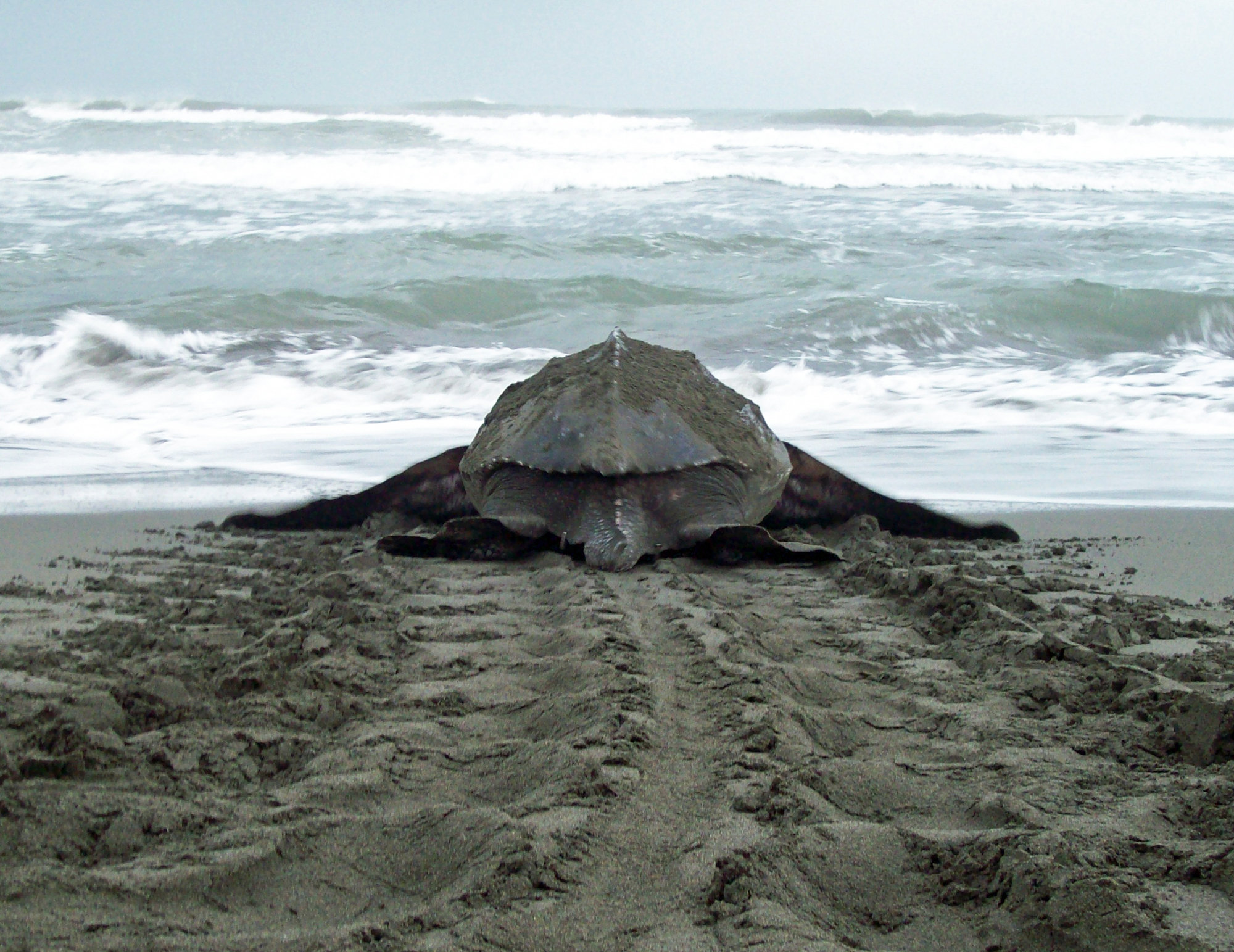
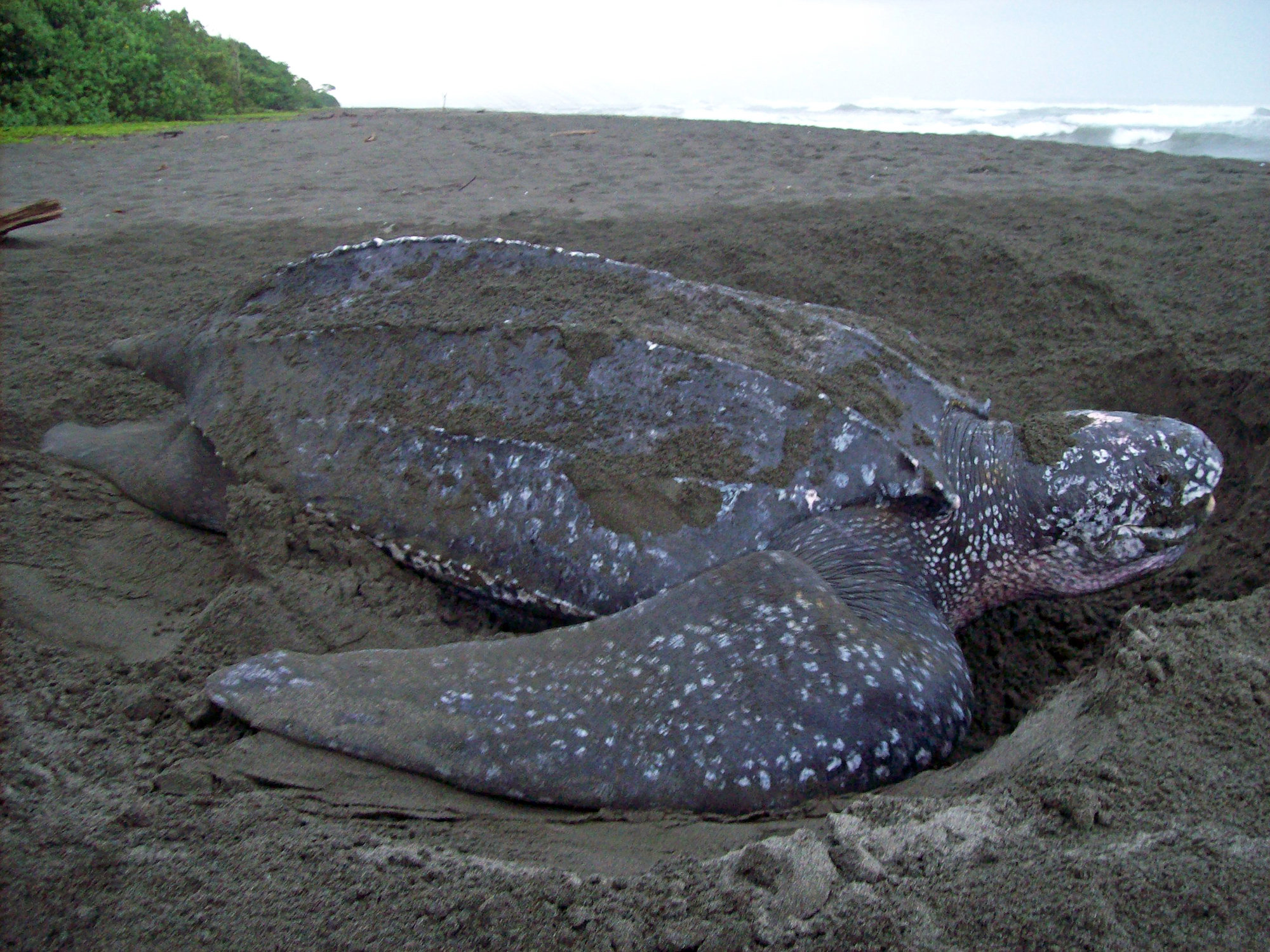
Giant Leatherbacks are the largest of the marine turtles, with the biggest measured specimen some 2.4 metres in length. Between mid March and early June, hundreds of leatherbacks come to the Pacuare Reserve to lay their eggs. Whilst they can move around freely in water, their quest to lay eggs is a monumental struggle. A pregnant female must first locate a beach and then drag her huge body five or more metres out of the sea using fins designed for water. These same fins then need to dig a metre deep hole in which she lays her eggs before covering them back over with sand. You can't help but feel the strain of her quest and gain a sense of her vulnerability out of the water.
Fortunately, nesting leatherbacks are protected by law in Costa Rica and projects like those you will visit on this extension help to protect leatherback eggs from poachers and dogs. You will be asked to take great care in watching this process. Once a female has begun this process it is unlikely she will stop, but it is important to avoid upsetting her with torches or camera flashes.
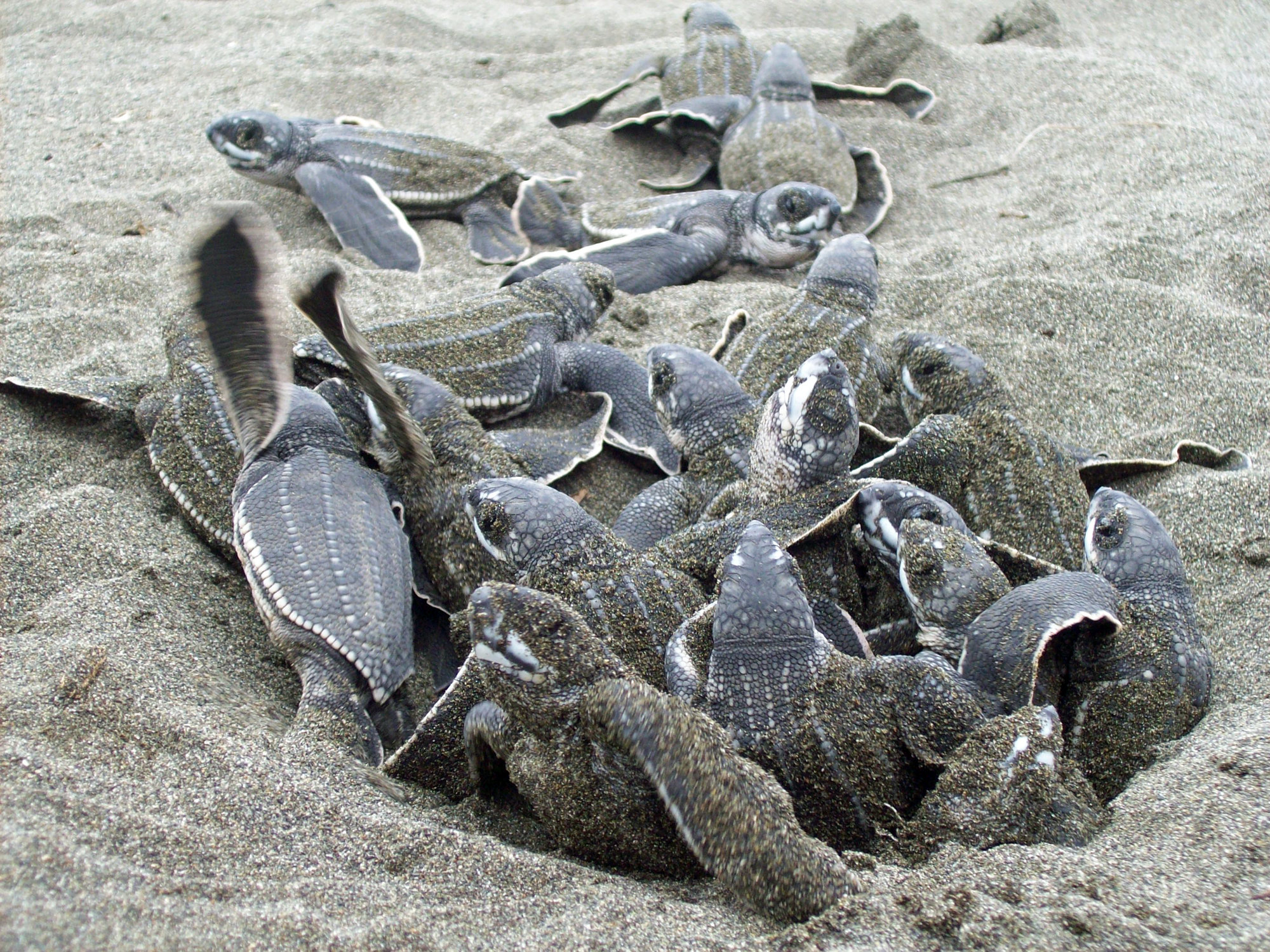
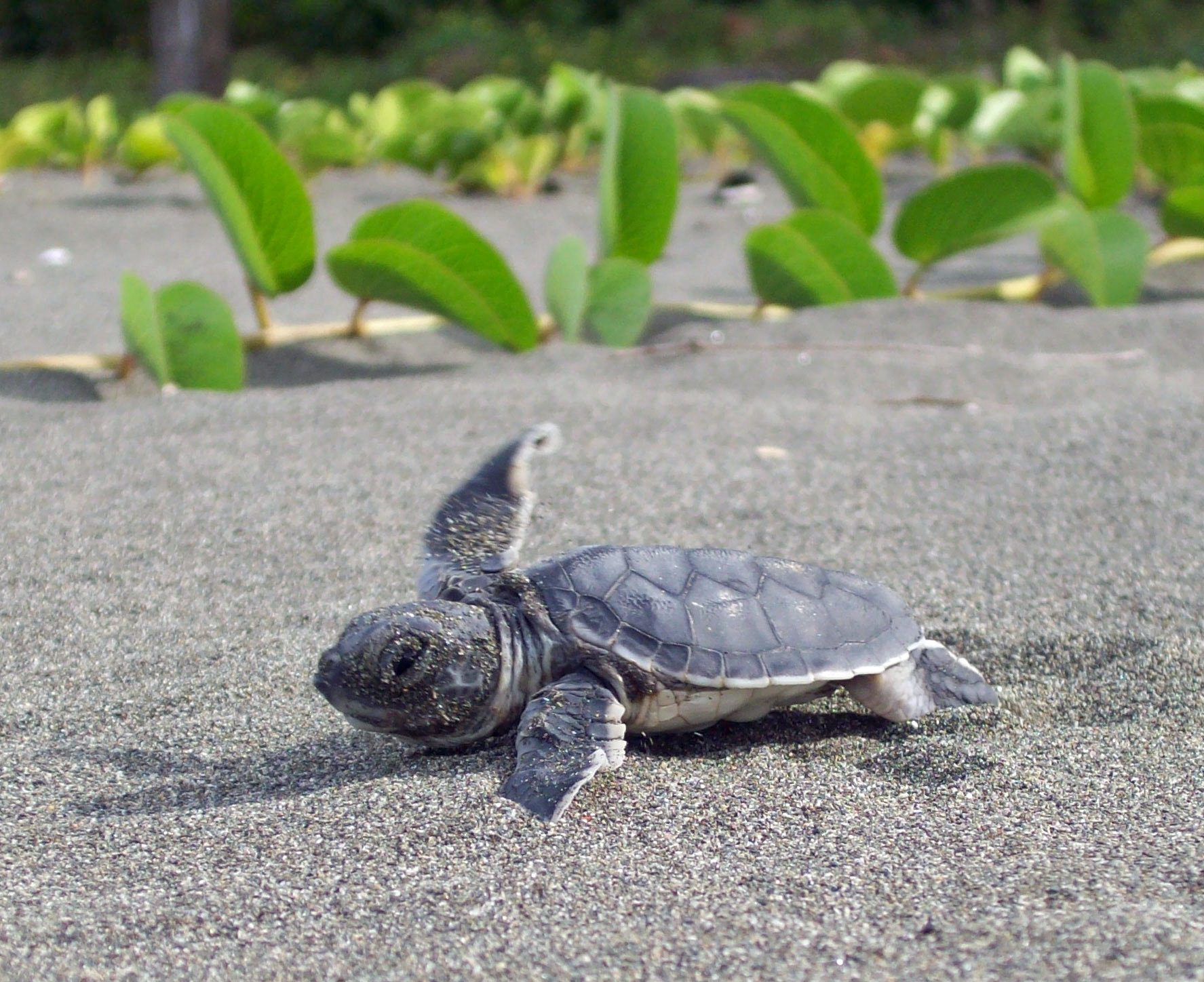
The Pacuare project was established to protect 6 kilometres of some of the most important leatherback nesting sites in Central America. Green turtles also arrive in large numbers here, but the Tortuguero National Park is best known for Green Turtles - the largest green turtle nesting site in the Western Hemisphere in fact. They start to arrive in July, which is about halfway into the period when leatherback hatchlings climb their way up through the sand and run the gauntlet of predators into the sea. Green turtle egg laying usually runs until October and hatchlings can be seen taking to the sea as late as November.
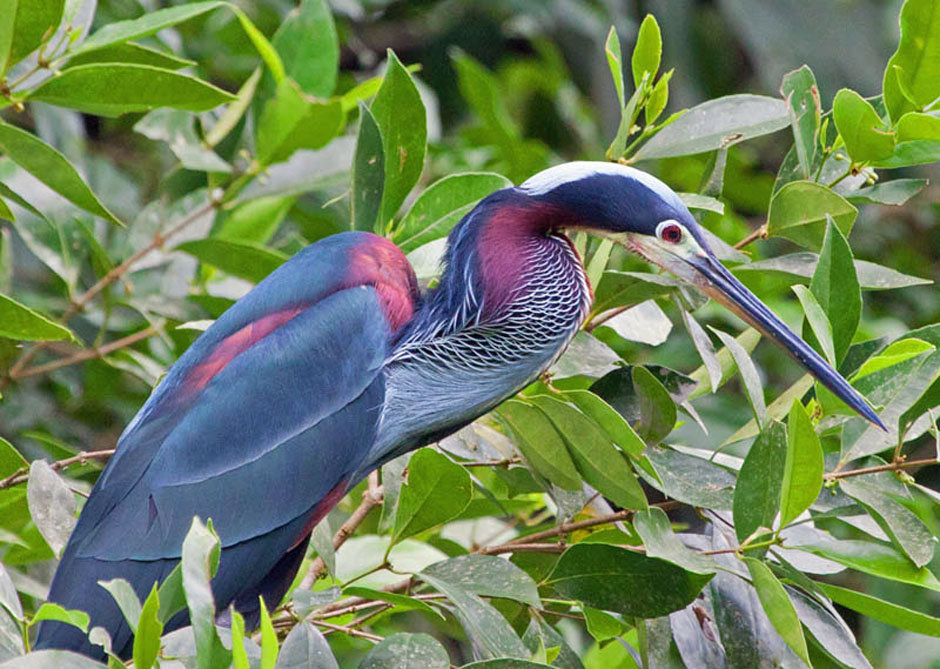
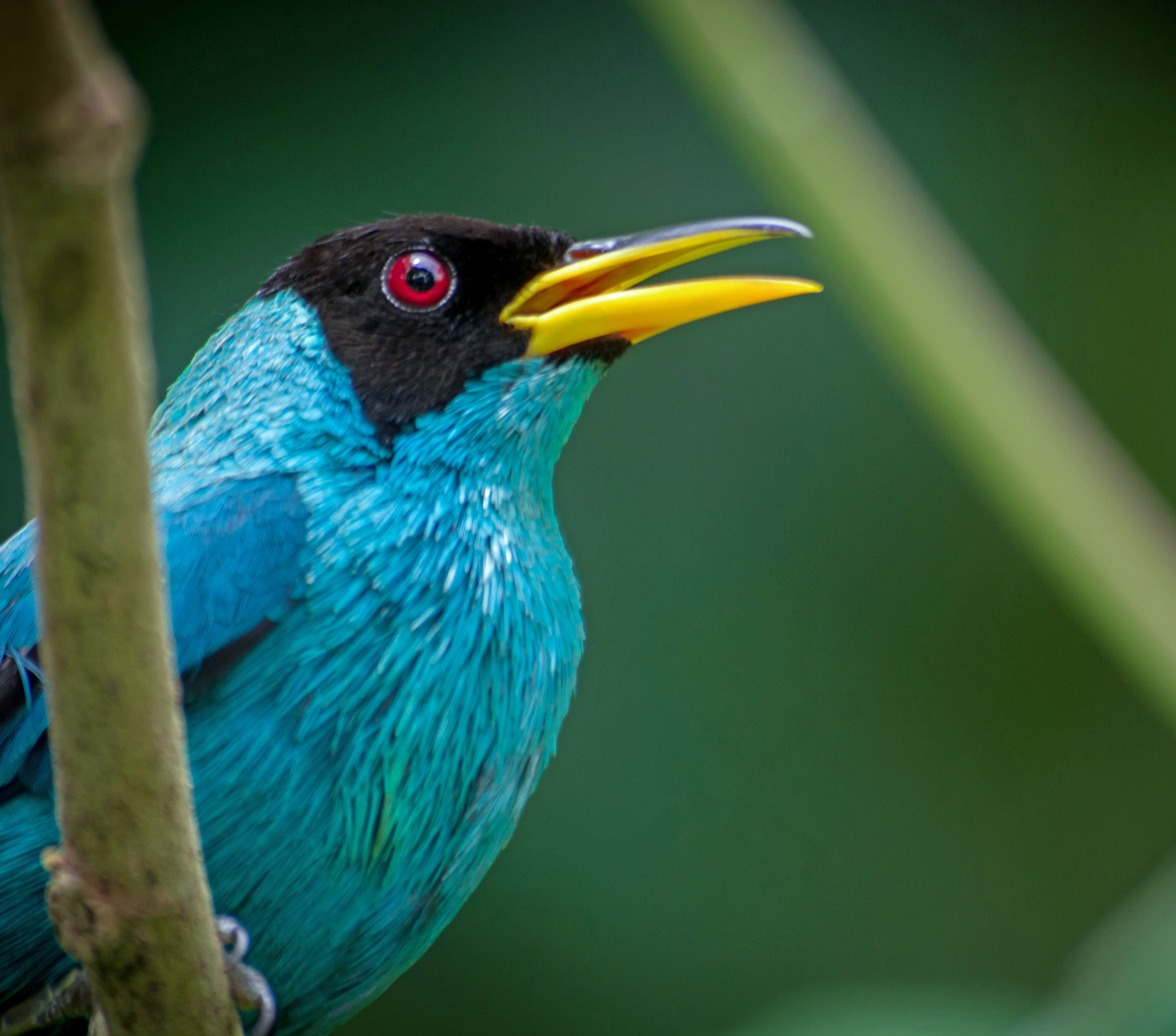
Both Pacuare and the Tortuguero National Park are fantastic locations for spotting lowland rainforest wildlife and birdlife. Jaguars sometimes appear on the beaches in Tortuguero and puma tracks are often found at Pacuare, as well as peccary and more than 265 species of bird. Howler monkeys and white fronted capuchins can be seen every day.
In travelling between the Pacifc and Caribbean you will experience the stunning cloud forest scenery of the Braulio Carillo National Park. You will also pass the La Selva Research Station where you can, if you wish, stop to take a look around. If you choose to take a short local tour here, or private birdwatching, you will be able to learn about one of the longest established research projects in Costa Rica and observe some of the incredible 448 species of birds found here.
Like any of our Costa Rica experiences, this one can be tailor to meet your timings, preferences and special interests. We can easily add in or swap locations to incorporate more relaxation, adventure, a higher standard of ecolodge where available or allow for a more intensive look at certain birdlife, wildlife or marine life. Other locations you may be interested to consider might include:
- the Manuel Antonio National Park on the Central Pacific coast
- Arenal Volcano and its cloud forest and mountain scenery
- for additional marine life: the Gulf of Papagoyo, the Bat Islands & Catalina Islands
Itinerary
Sample 12 Day Itinerary
This 12 day itinerary can be extended or shortened to suit your own interests. Please Contact Us to discuss.
Day 1: Arrive San José
Arrive San José, Costa Rica where you will be met and transferred to the Don Carlos Hotel (or similar) in the centre of San José. Upgrades available such as to an organic coffee estate and nature reserve.
Day 2: Transfer to Tortuguero National Park
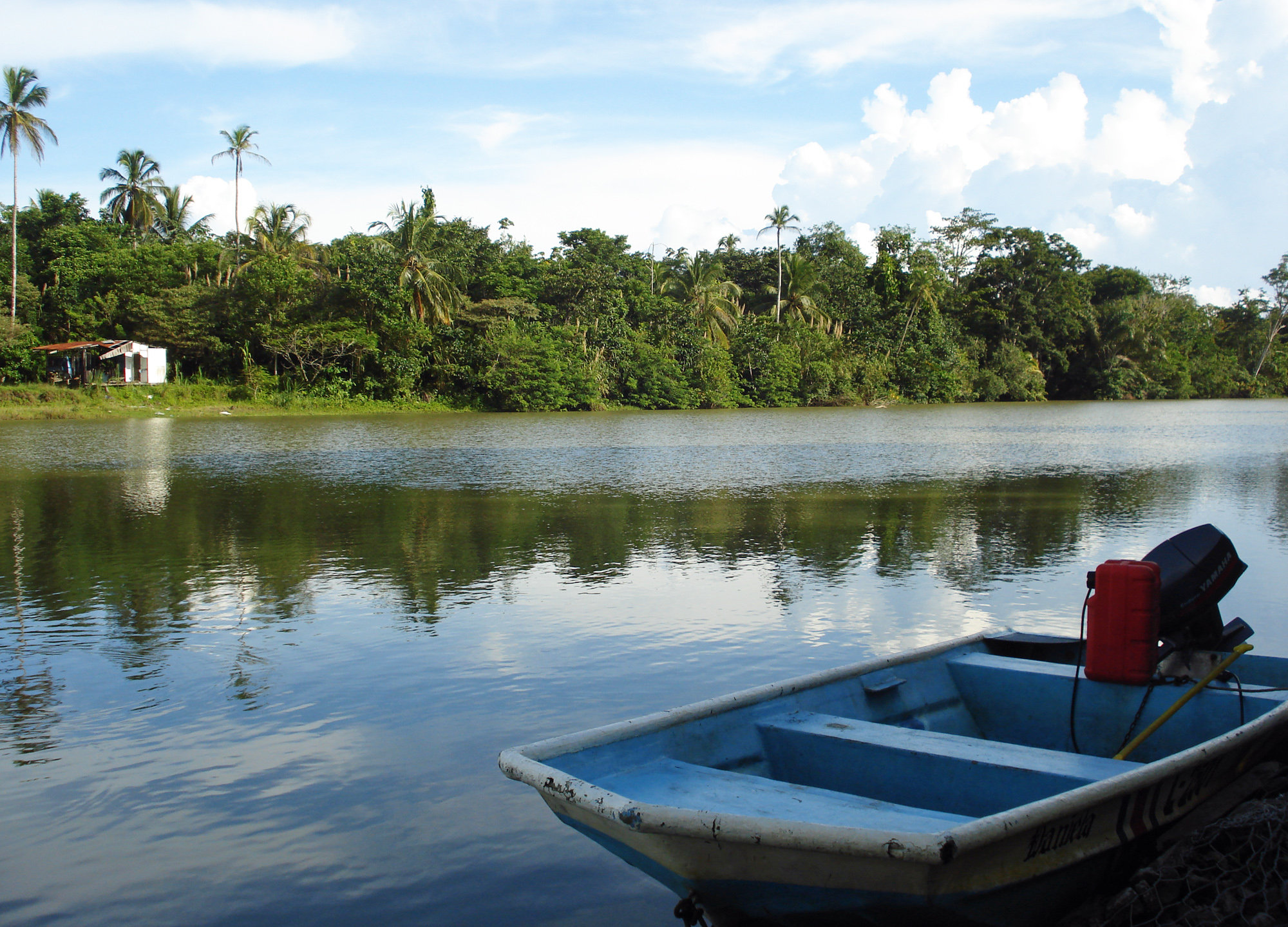
You will be collected early from your hotel and join a transfer from the Central Highlands to the Caribbean coast. You will stop en route in the Highlands for breakfast and then travel downhill as far as the Tortuguero Canal. Here you will board a motorized river launch which will take you to your lodge, set on an island between the Tortuguero Canal and the Caribbean Sea.
After lunch you will be taken on a guided walk in a private reserve next to the Tortuguero National Park . You will return to your lodge in time for dinner and a chance to relax after your journey.
Day 3: Exploring the Tortuguero Canal
This morning you will join a boat trip out in search of wildlife and birdlife along calm waterways of the Tortuguero Canal.
Mid-morning guided walks and in the afternoon, enjoy another boat trip along the canal, visiting a different area than the one visited in the morning. If turtles are nesting, you will be provided with the option of heading out to the beaches in search. There is a local community charge of $20 for this.
Day 4: Transfer to Pacuare Reserve
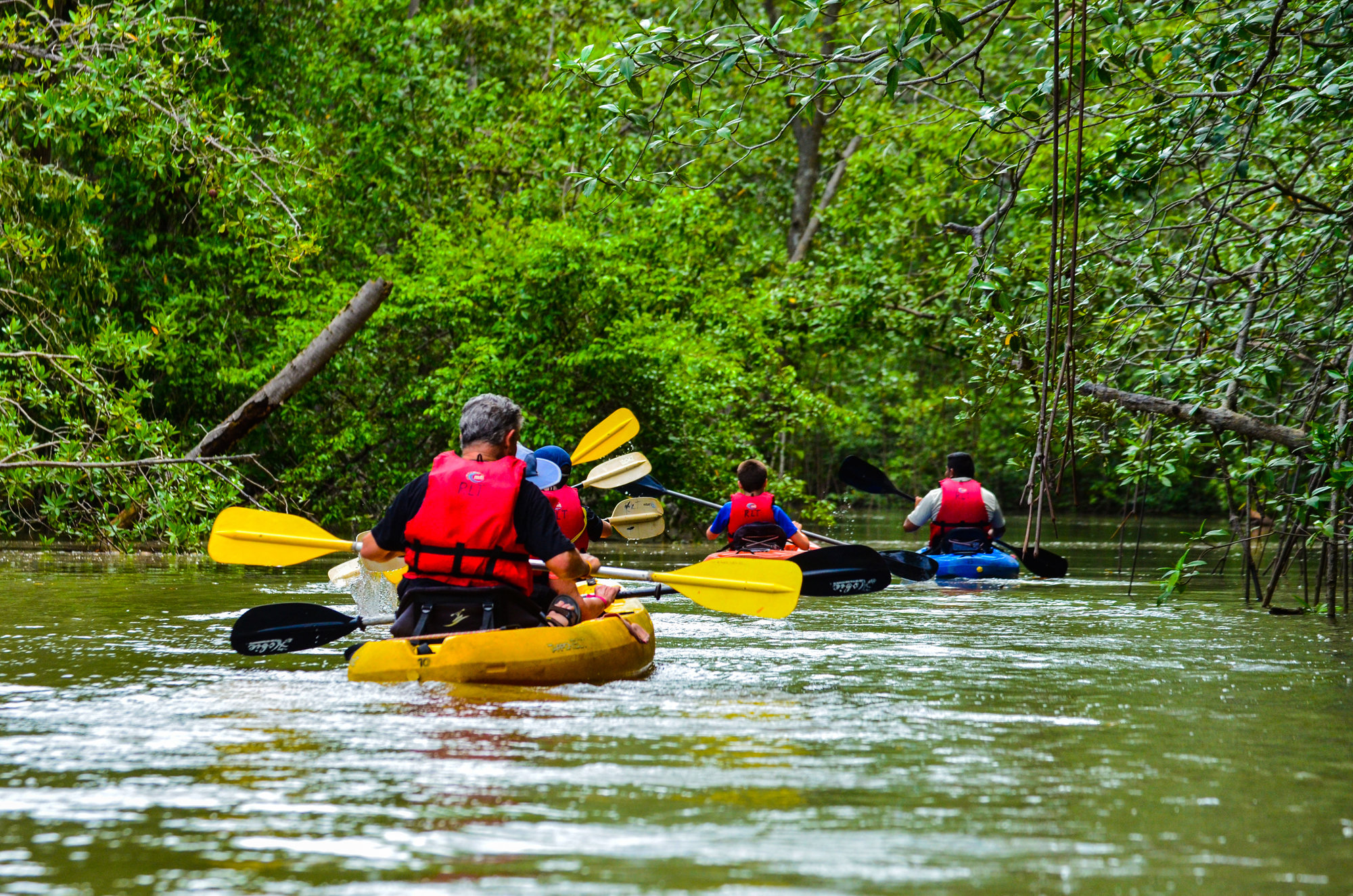
Early this morning would be an ideal time to conduct privately guided wildlife kayaking along waterways near the lodge. We enjoy some of our best wildlife viewing this way.
After breakfast you will be taken on a private motorized canoe transfer along a significant portion of the Tortuguero Canal. You will see some lovely waterside vegetation which is often dominated by palms.
After about 2 hours you will reach the research station and private hacienda which will be home for 3 nights. All meals provided.
You will be able to explore lowland rainforest and join researchers / anti-poaching patrols in search of nesting turtles this and subsequent evenings.
Days 5 & 6: Pacuare Reserve
Explore the rainforests, canals and coastline of la Reserva Pacuare including opportunities at night time to join researchers and volunteers patrolling the beaches for Giant Leatherback Turtles ... or Green Turtles is later in the season. Accommodation at on site hacienda.
Day 7: Return to San José
You will have time this morning to take a walk in litoral forests of the reserve again, before a motor canoe will take you about 15 minutes south. Here you will step into a privately chartered vehicle which will take you back to San José. You will travel first through banana plantations and then up through some stunning montane forests of the Braulio Carillo National Park. You will pass the famous La Selva Research Station where if you wish, you can stop and pick up a local tour.
Overnight in San José – same hotel on a B&B basis.
Day 8: Fly to the Osa Peninsula
Private transfer you’re your hotel in San José to the airport for your small prop plane flight to Drake Bay / Palmar Sur.
You will be met upon arrival on the Pacific coast and transferred overland and by boat to the Osa Peninsula.
Days 8 - 11: Exploring the Osa Peninsula
Explore the Corcovado National Park and the Caño Island Biological Reserve for 4 days / 3 nights. All meals included.
Day 11: Return to San José
You will be transferred overland and by water to Drake Bay airport (or Palmar Sur) and flown back to San José. You will be met upon arrival and taken back to your hotel in San José.
Day 12: Depart San José
You will be collected from your hotel and taken to the airport for your flight home or for onwards travel.
Dates
Dates: available throughout the year
Notes:
Price per person sharing
Optional activities:
Diving at Caño Island can be organised in advance at an additional cost
Kayaking in the Tortuguero National Park (min 2 participants):
2018: US$75 pp
2019: US$82 pp
2020: US$90 pp
Accommodation:
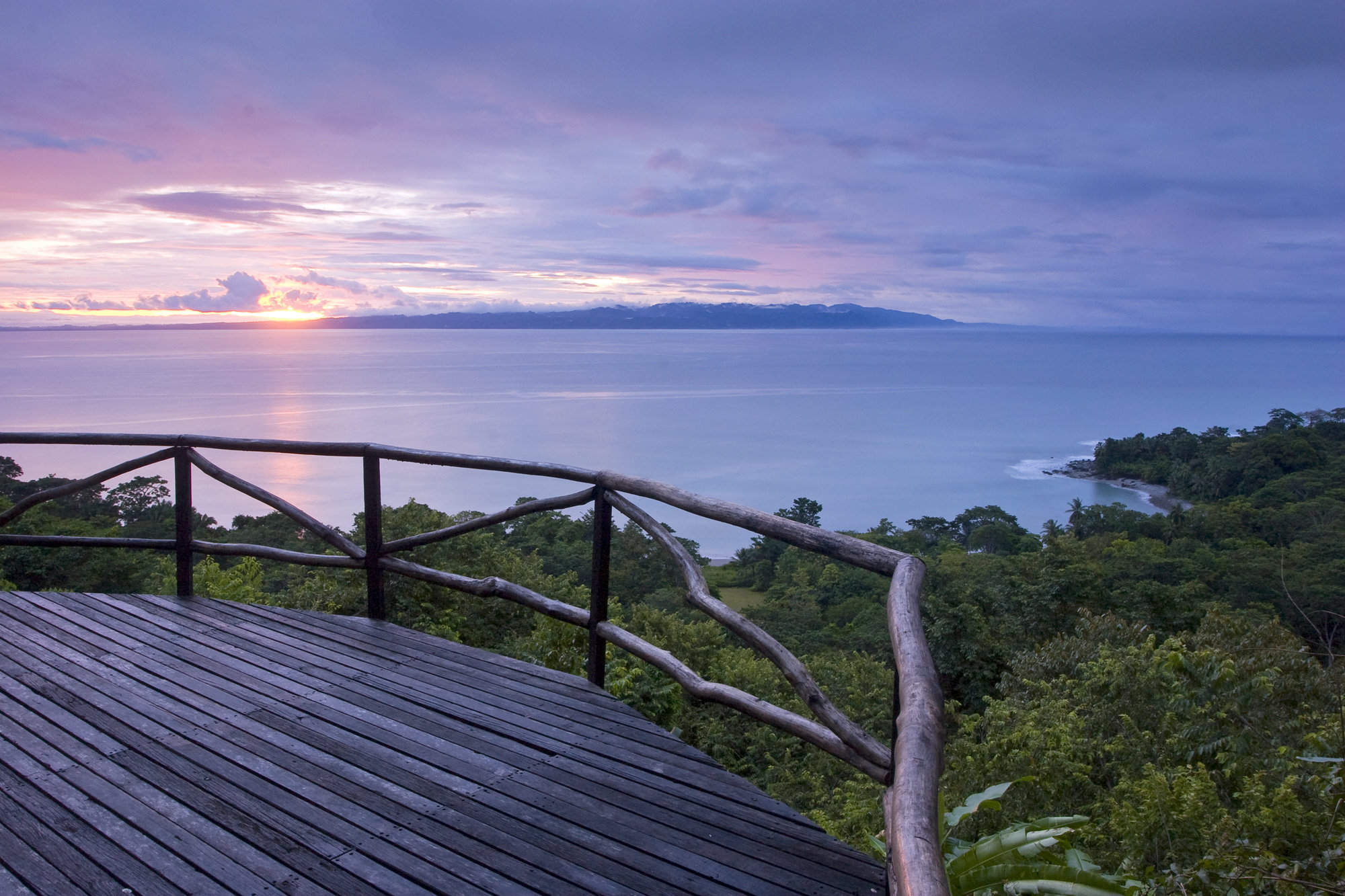
Comfortable lodges and hotels, but upgrades and alterations can be made such as in San Jose. You can also elect to stay in the south of the Corcovado which although removes the possibility of access to Caño Island Biological Reserve can incorporate the most premium ecolodge in Costa Rica set in rainforest hills overlooking the Pacific Ocean.
Price includes
- All accommodation
- All transfers by air, land and water. Includes private motor speed canoe from
Tortuguero NP to Pacuare Reserve and private overland from Pacuare to San
Jose
- Guided activities as specified
- Equipment for all activities specified
- Park fees
- Breakfasts in San Jose
- All meals at lodges in the Corcovado, Tortuguero and Pacuare
- Prices are subject to availability of selected accommodation and seasonal
pricing variations.
- National Park fees
- Contributions to conservation and research organisations
- Sponsorship of an Acre of Rainforest and annual membership of Rainforest
Concern
Price excludes
- International flights
- Insurance
- Items of a personal nature
- Activities not specified
- Diving and equipment rental
- Tips
- Visas
Activity Level: Medium to low depending upon personal preference. High activity variations such as a Canoe & Lodge Safari in the Tortuguero or White Water Rafting on the Pacuare River can be prearranged.
Standard of Accommodation
Comfortable lodges and hotel in San José.
Accommodation at the Pacuare Reserve is at the project's comfortable private hacienda. Space is limited to a maximum of 6 at any time in twin / double rooms with shared facilities which include a screened al fresco shower.
Upgrades available in the Corcovado and San Jose. Premium cloud forest lodges close to the Poas Volcano are also an option in place of hotels in San Jose. These require additional private transfers.