A voyage to cross the Antarctic Circle is one many dream of, venturing deeper south than most have travelled - beyond latitude 66°33'39".
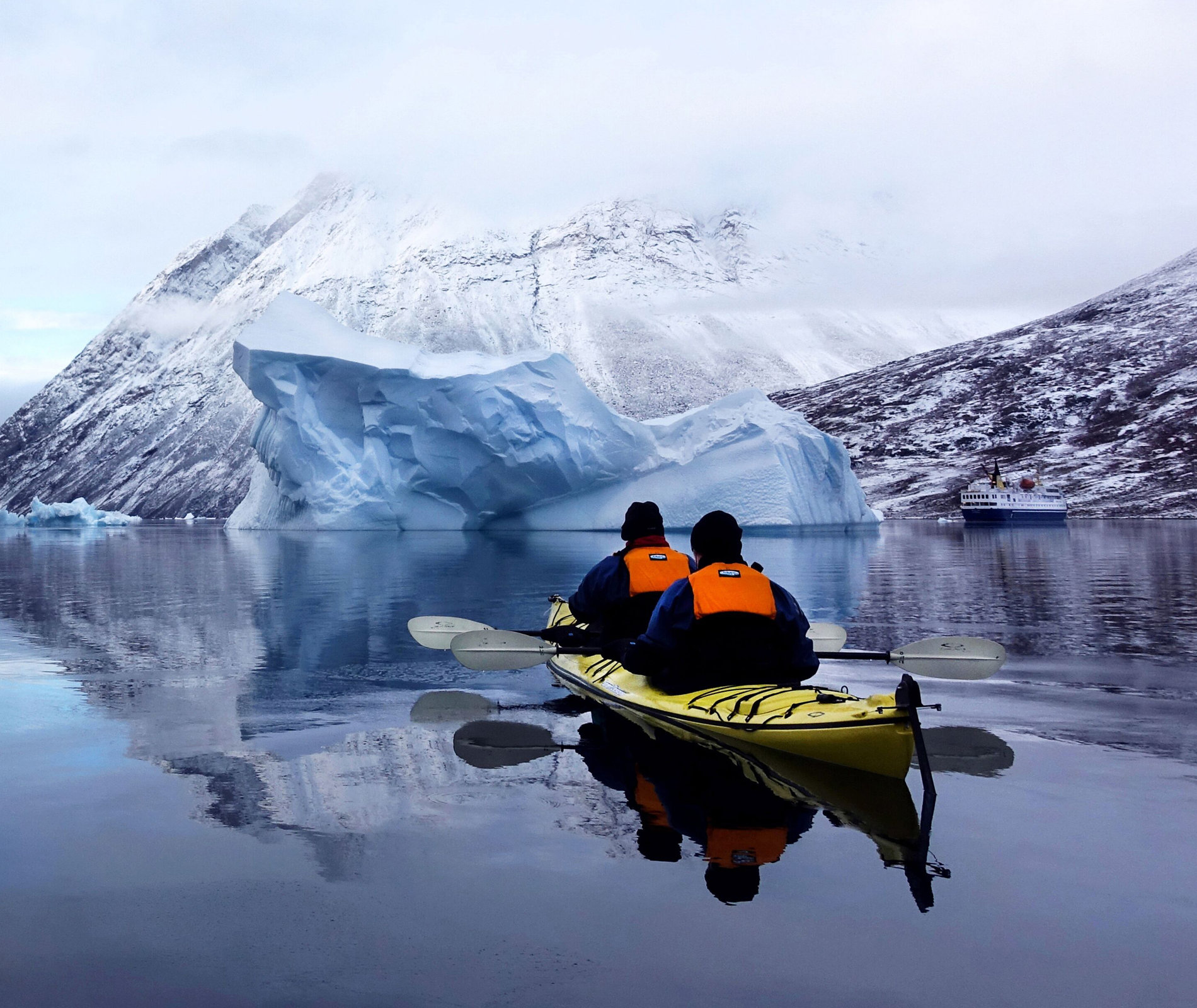
Aqua-Firma guides and scientists have explored this region in-depth. You will be accompanied by leading natural history professionals, eager to introduce you to some of the most dramatic coastal mountain, glacier and iceberg scenery; and inspire you with their knowledge of the wildlife, geology, marine life and polar history.
Throughout your extended journey South take the opportunity to stand beside the captain at the bridge and watch as he skillfuly navigates using ice charts to find the best passage South. You will explore from the mother ship and onboard rigid inflatable boats, deployed to skirt close to the coast and enable you to maximise your time on land.
Why choose Polar Circle?
Antarctic Circle voyages combine the best of the wildlife and scenery of a Classic Peninsula trip and are often a day or two longer to facilitate the push further South. This effectively allows more time in Antarctica to explore. Fly and sail voyages beyond the Polar Circle can further reduce lost time by removing the obstacle of the Drakes passage.
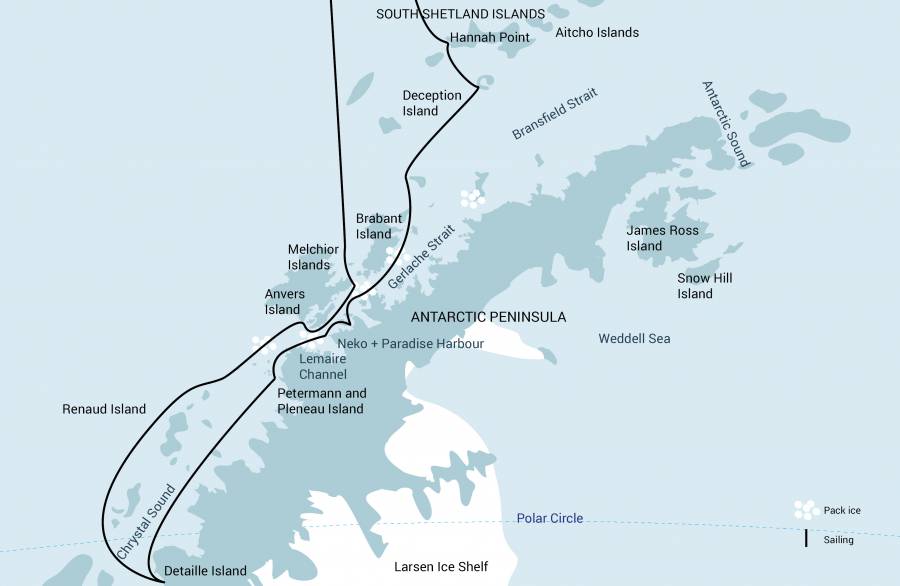
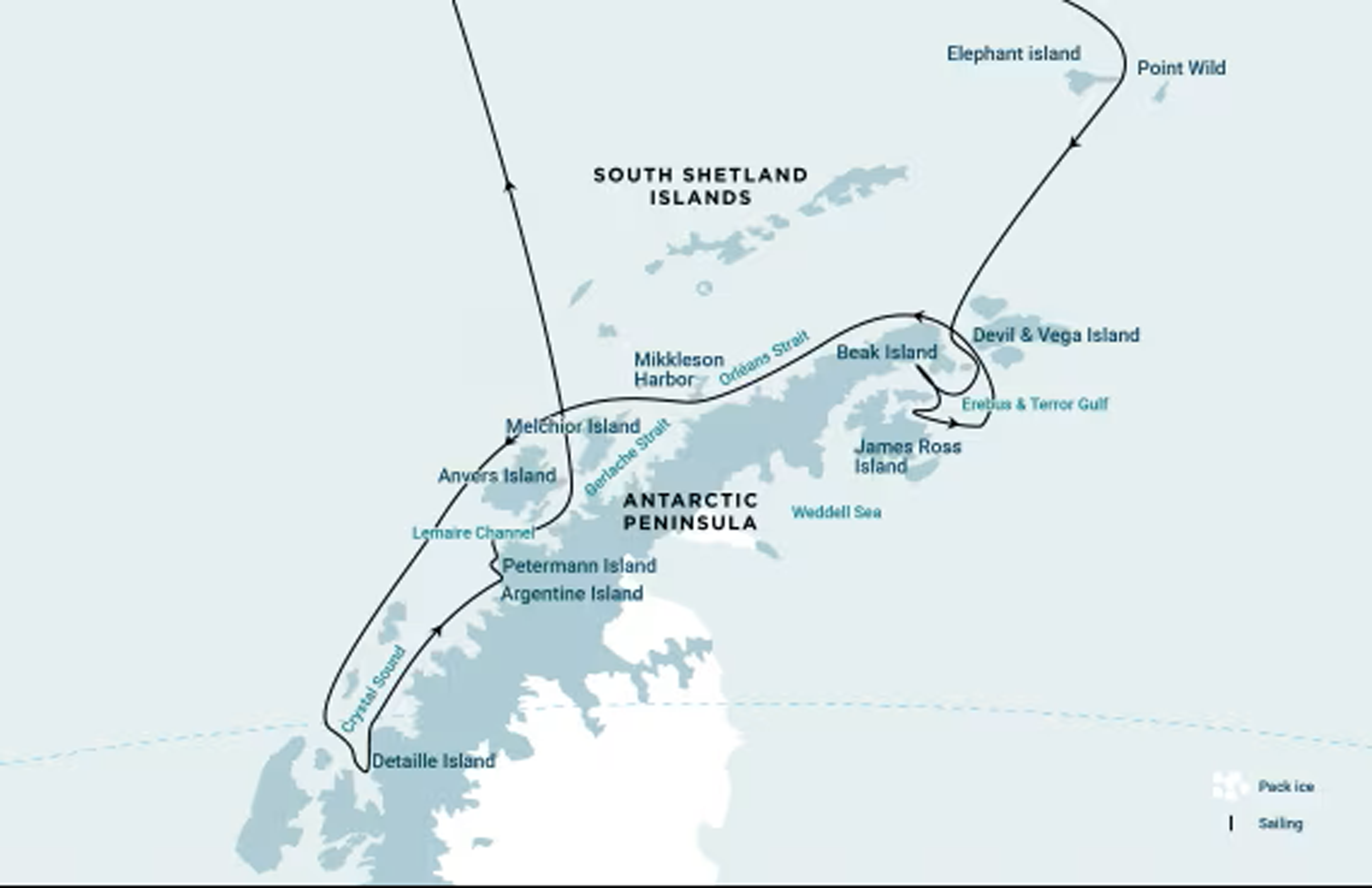
One of the most scenically impressive passages is the Lemaire Channel, which is only ½ mile wide in places, it's characteristic glaciers and rocky outcrops encapsulate the dream of Antarctic perfection.
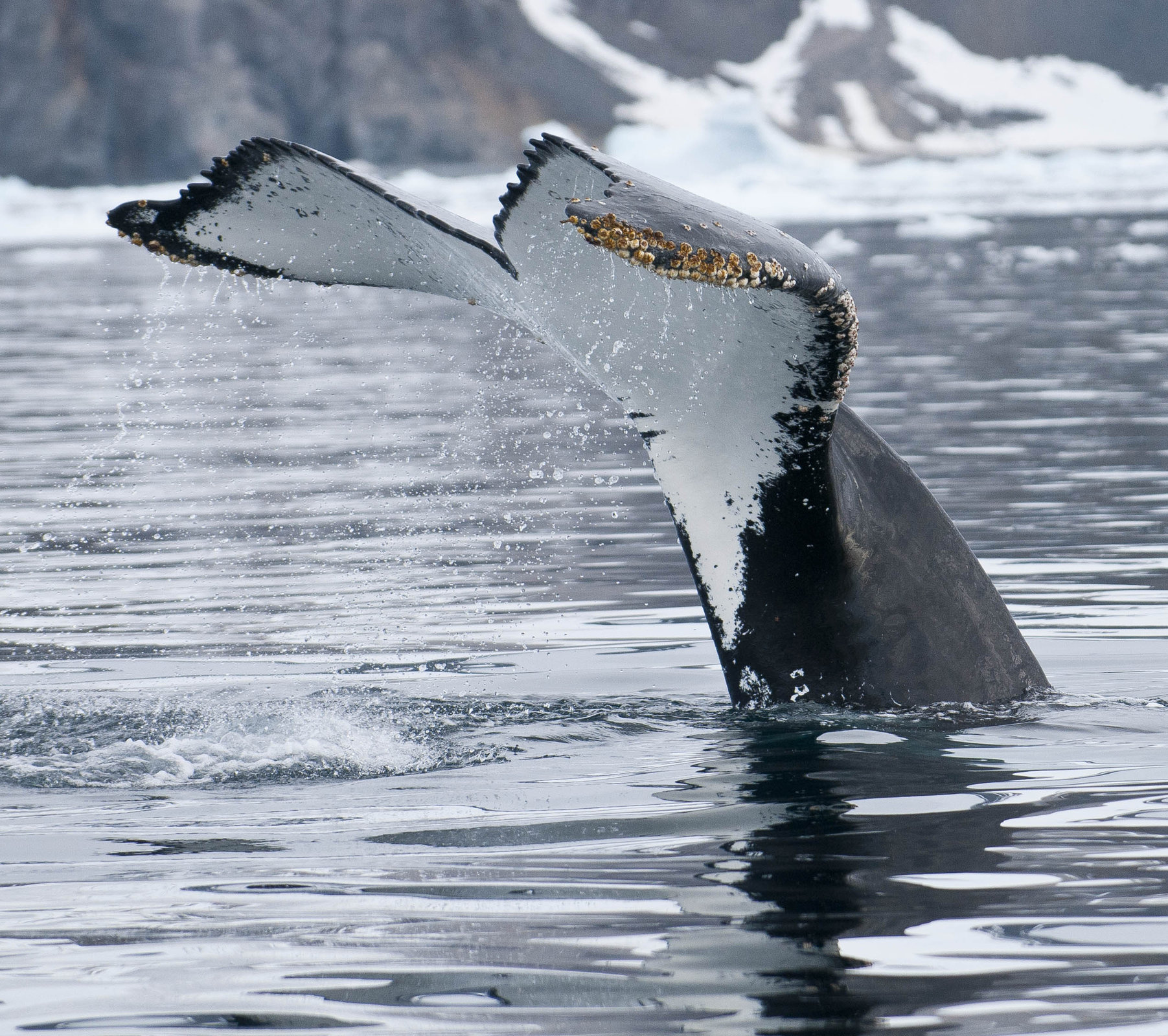
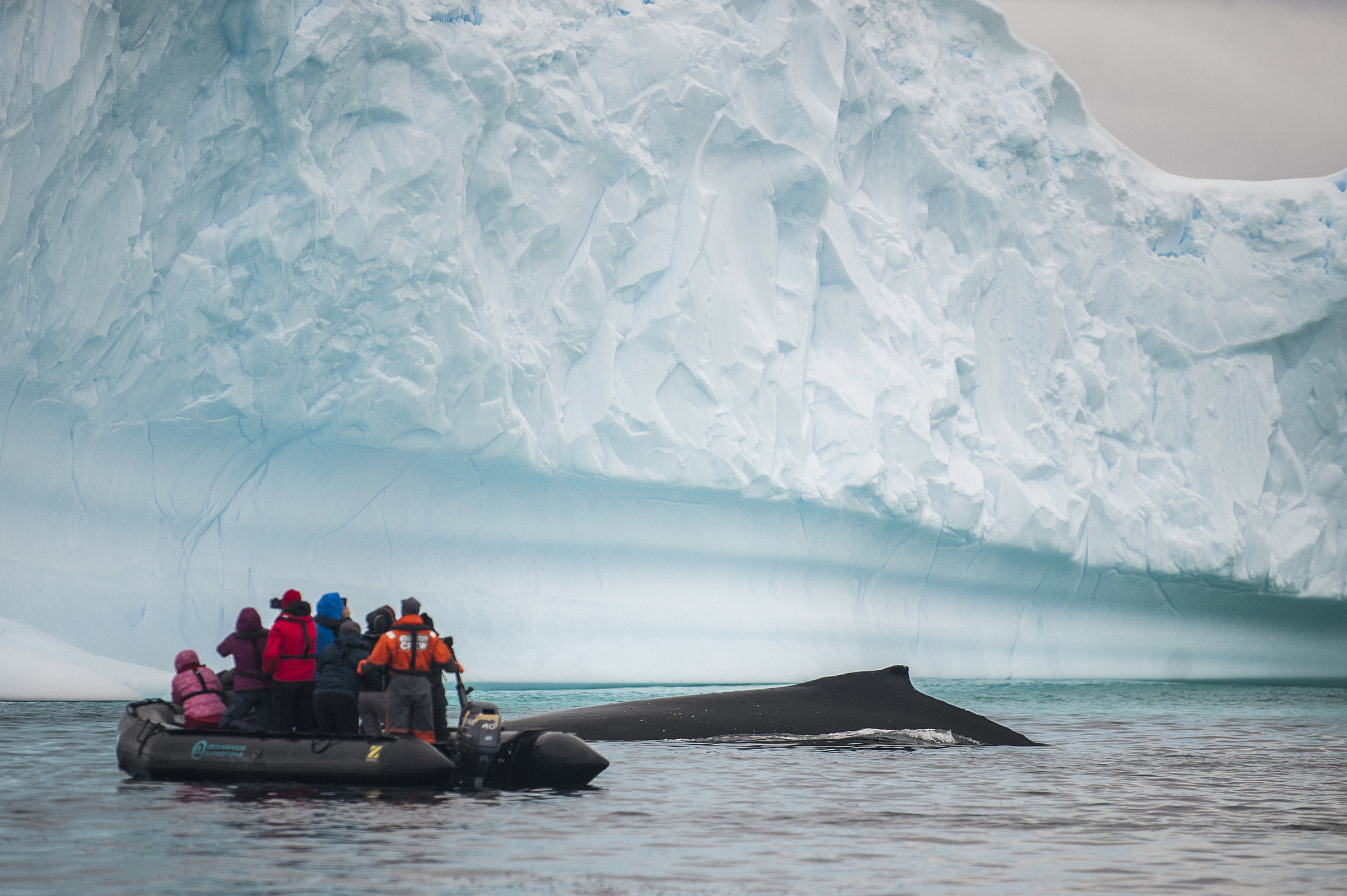
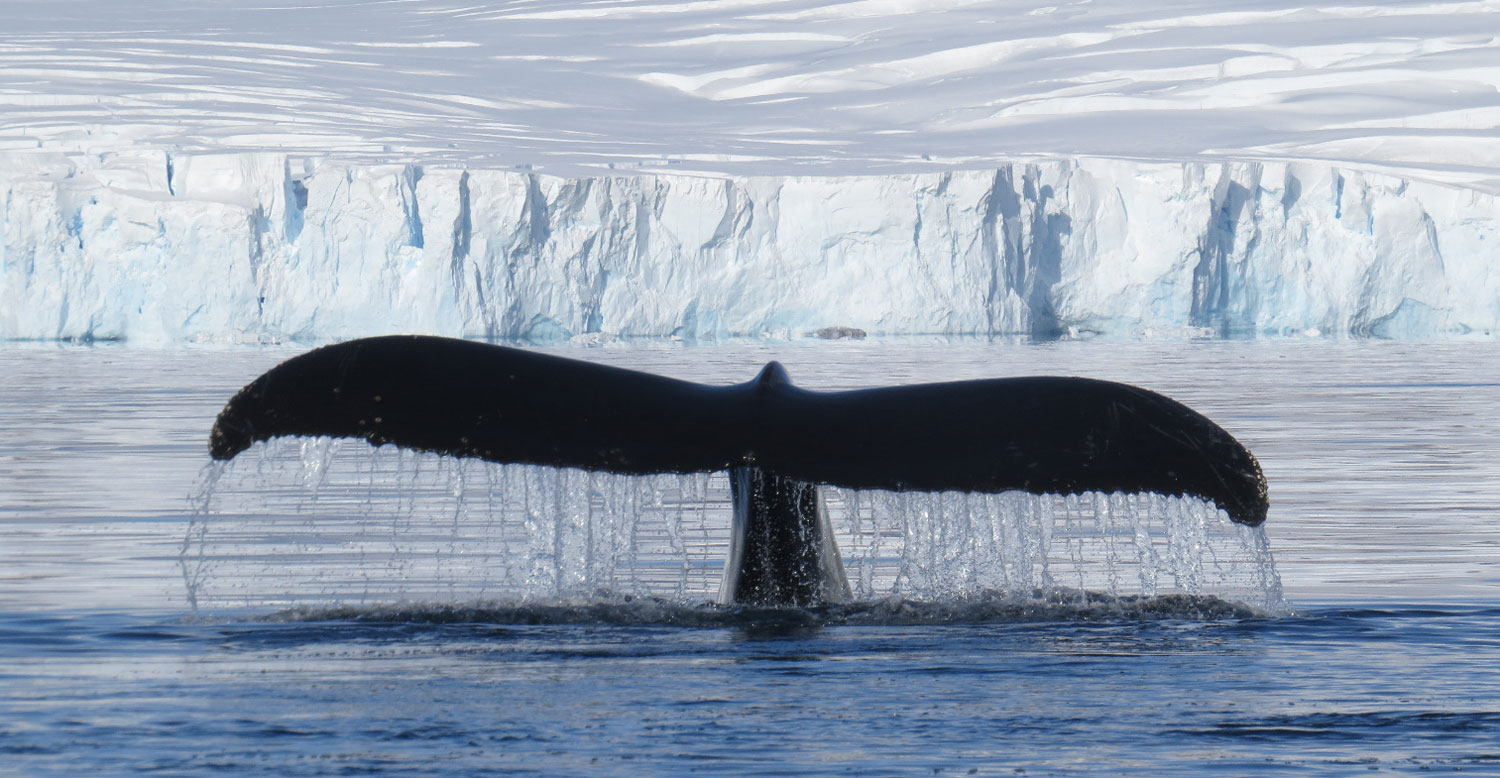
Your ultimate objective is Crystal Sound where the noise of birds reach you from both shore and air as you pass other islands. It may be possible to spot humpback whales, orcas, minke and fin whales, whose breath can be heard in constant rasps over the water in early morning silences.
Will I reach the magical line?
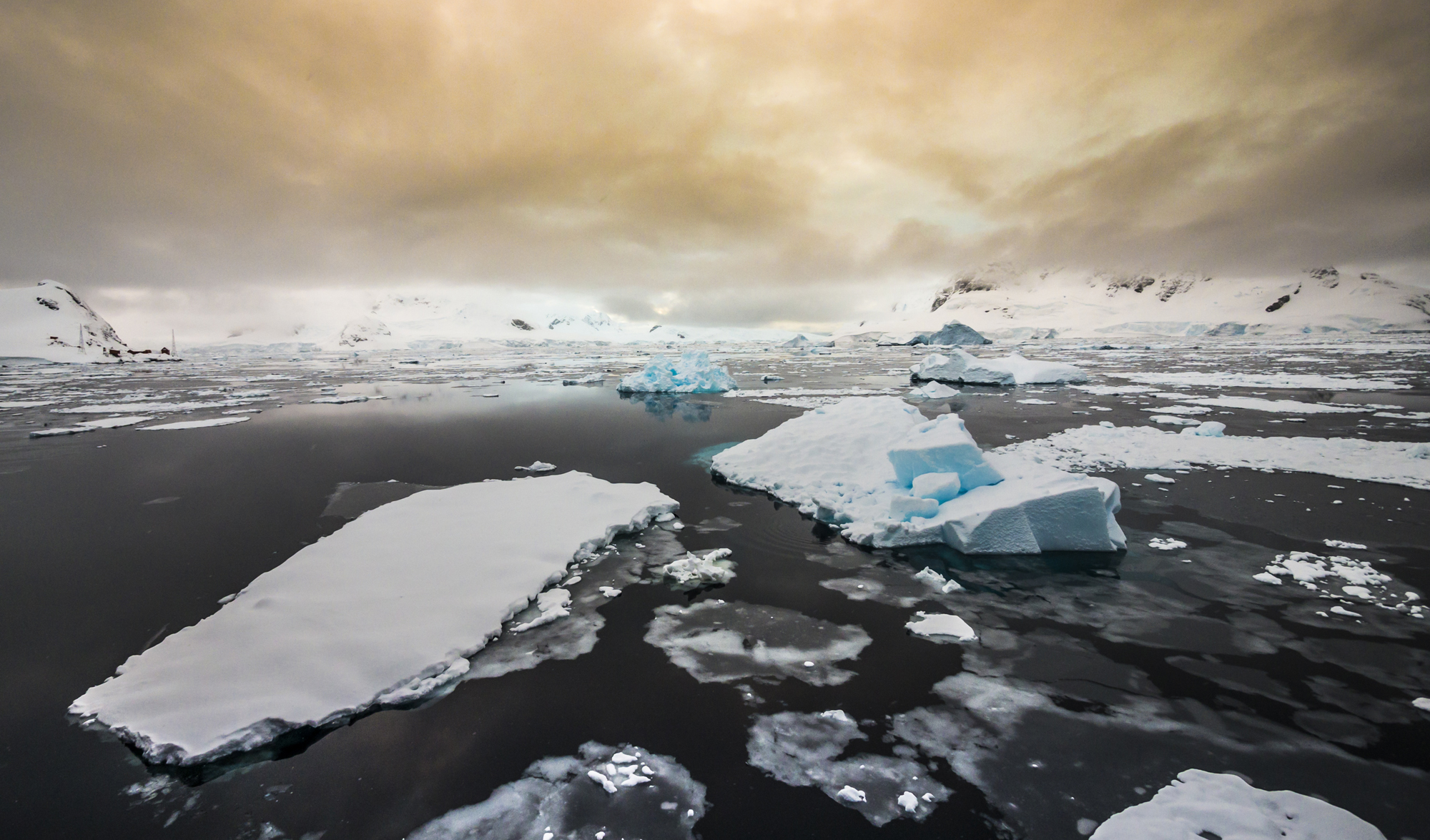
In our experience, reaching the Antarctic Circle is a truly memorable achievement, but very much subject to sea and weather conditions, picking your way through ever-changing sea ice and icebergs. Speak to an Aqua-Firma guide with first hand experience regarding your chances, depending on ship strength, ice and weather.
Adventure options beyond the Polar Circle:
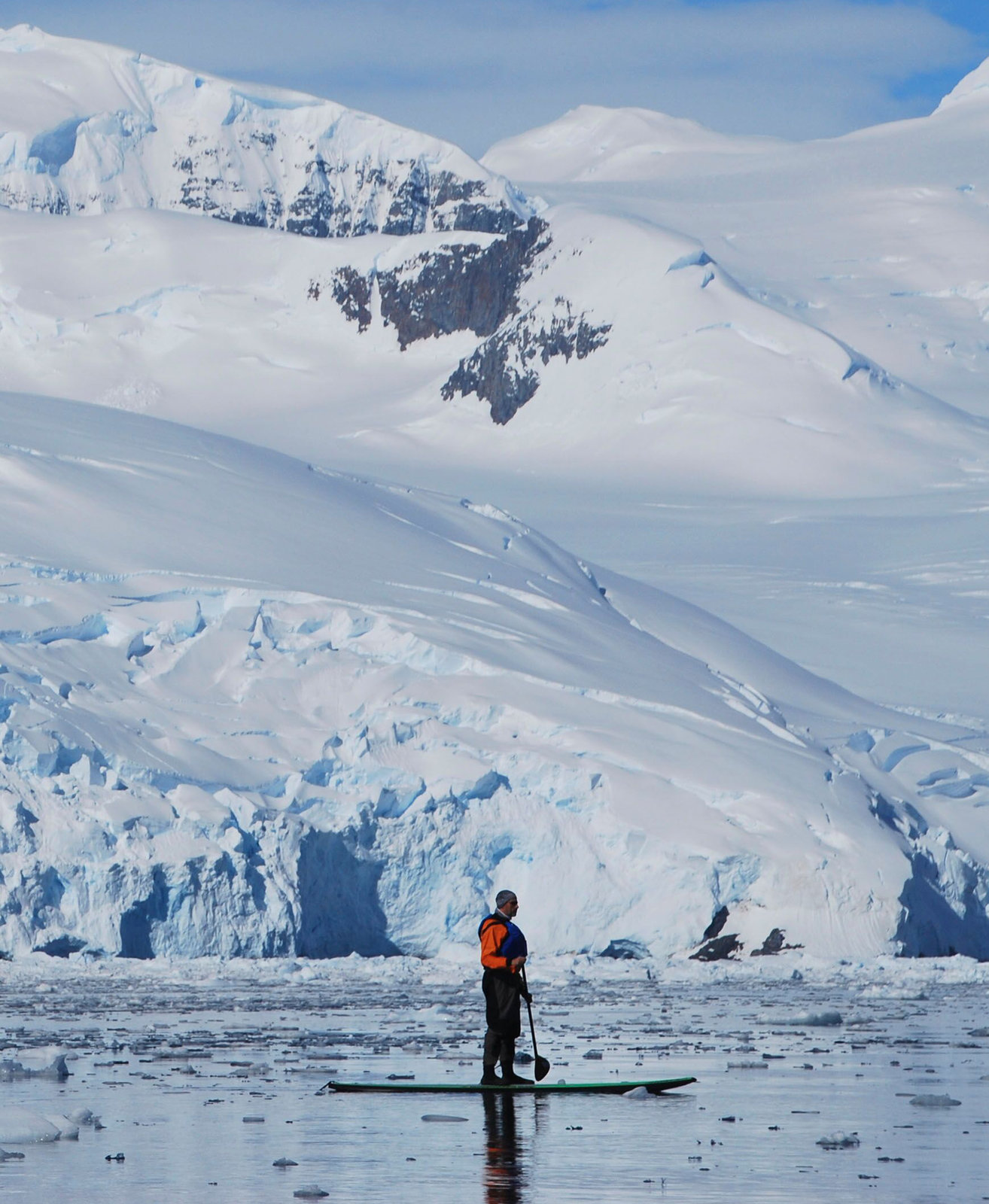
Pioneering in its own right Aqua-Firma also offer a broad range of adventures within this wilderness setting: camp out for the night with the full support of the mother ship not far away, or for those with some previous kayaking experience, the opportunity also exists to pre-book one of the limited Sea Kayaking spots.
For the experienced dry suit diver or snorkel, a dedicated team of scuba experts will help you exploring the icy seas beyond the Antarctic circle . Diving beyond the polar circle is a true expedition which very few have had the privilege of experiencing. Ask one of our Antarctic dive guides of polar marine scientist for full details.
"Our trip was fantastic and exceeded all of our expectations.It really was the trip of a lifetime! The expedition team were fantastic and they made sure every possible opportunity was seized. Crossing the circle and the iceberg 'grave yard' were two personal highlights......
C Moynihan. read more reviews
Itinerary
12 Day Sample Itinerary
This is a sample only based upon a 12 day voyage. The final itinerary will be determined by the Expedition Team and is influenced by local conditions, like ice and weather - in particular actual or anticipated headwinds affecting crossings of the Drake Passage.
Day 1: Embarkation in Ushuaia
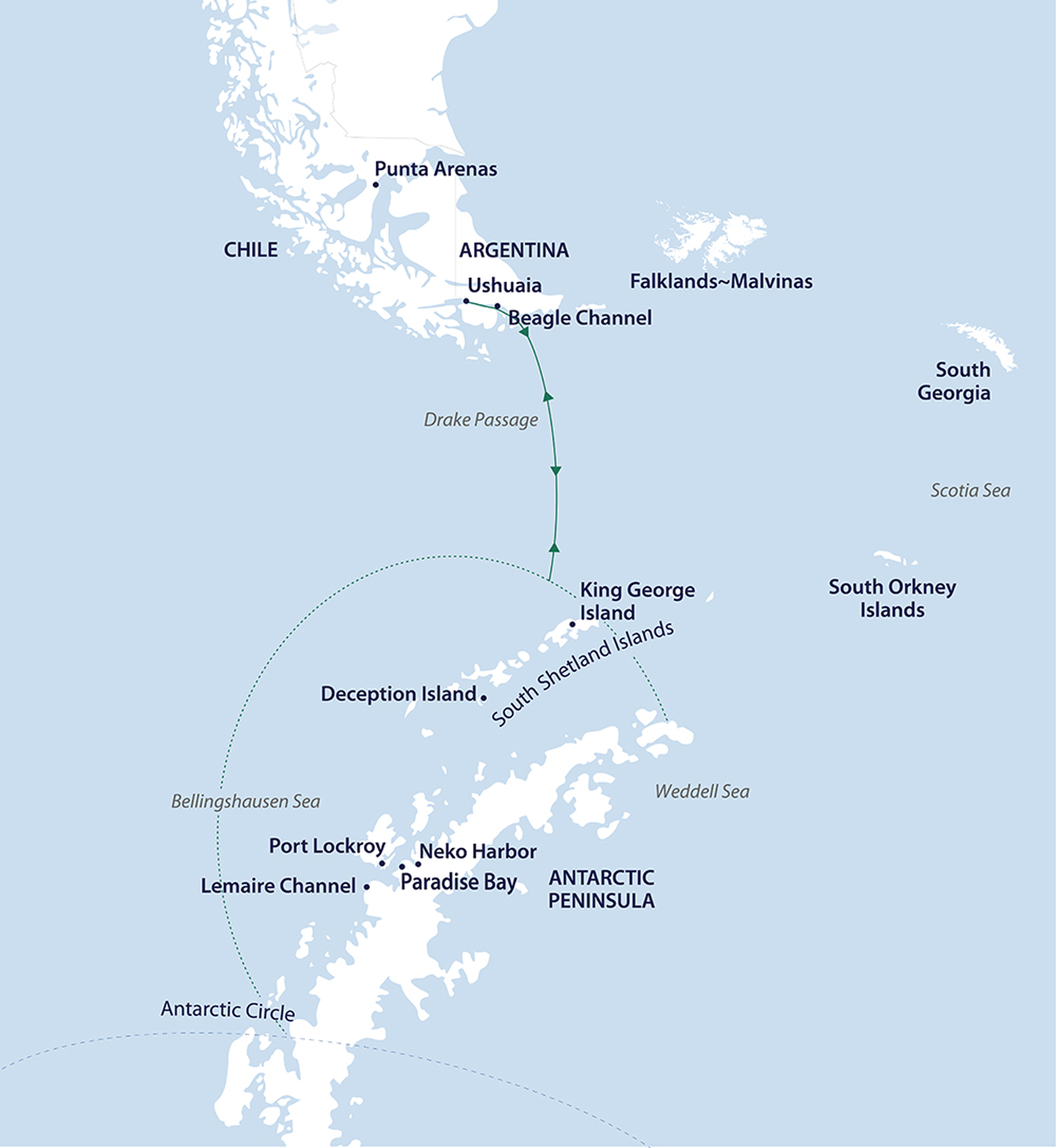
Your voyage begins where the world drops off: Ushuaia, Argentina, reputed to be the southernmost city on the planet, located on the far southern tip of South America. Starting in the afternoon, you embark from this small resort town on Tierra del Fuego – nicknamed “The End of the World” – and sail the scenic, mountain-fringed Beagle Channel for the rest of the evening.
Day 2 - 3: Path of the Polar Explorers
Over the next two days on the Drake Passage, you catch a taste of life from the perspective of the polar explorers who first braved these regions: cool salt breezes, rolling waves, maybe even a fin whale blasting up a column of sea spray.
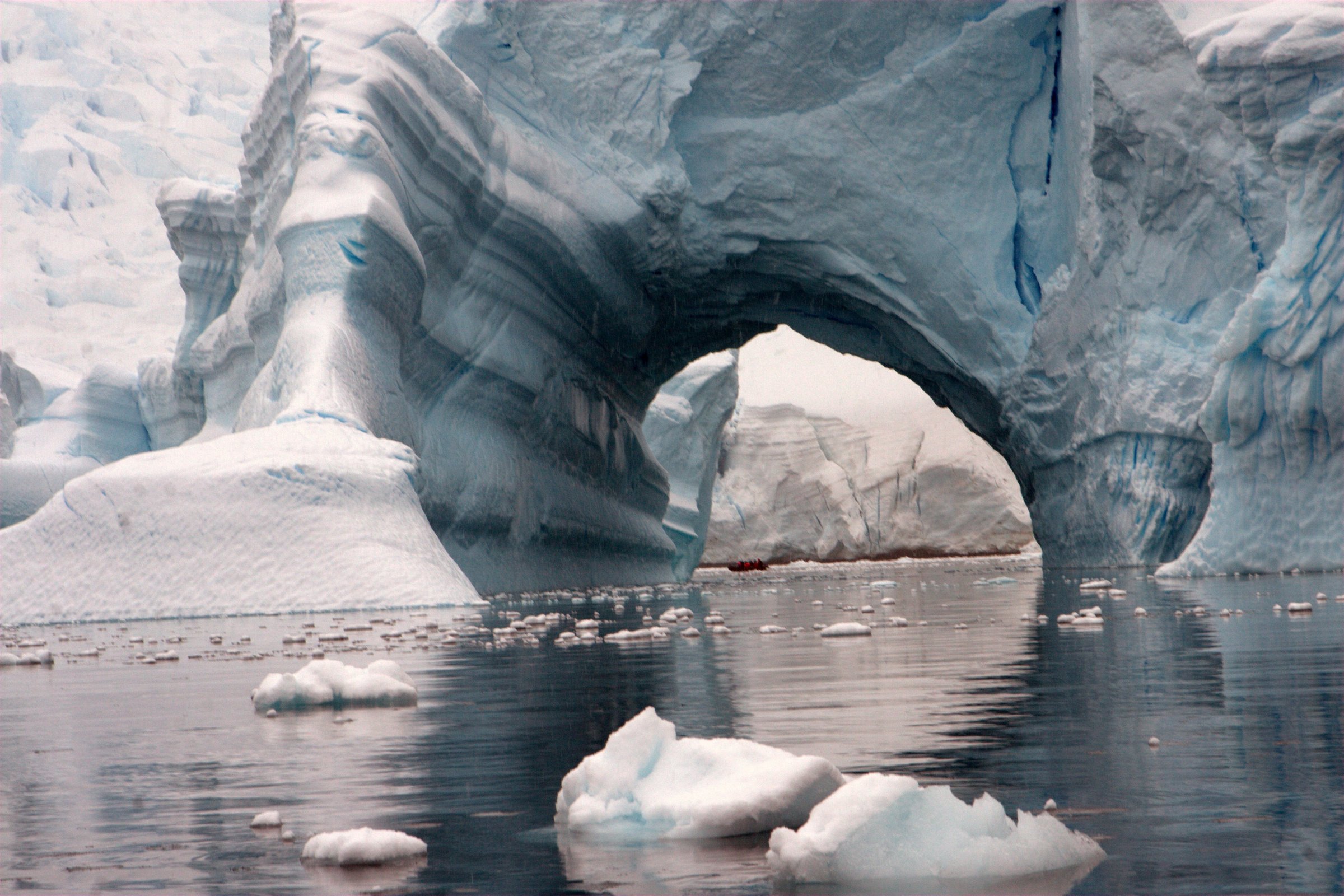
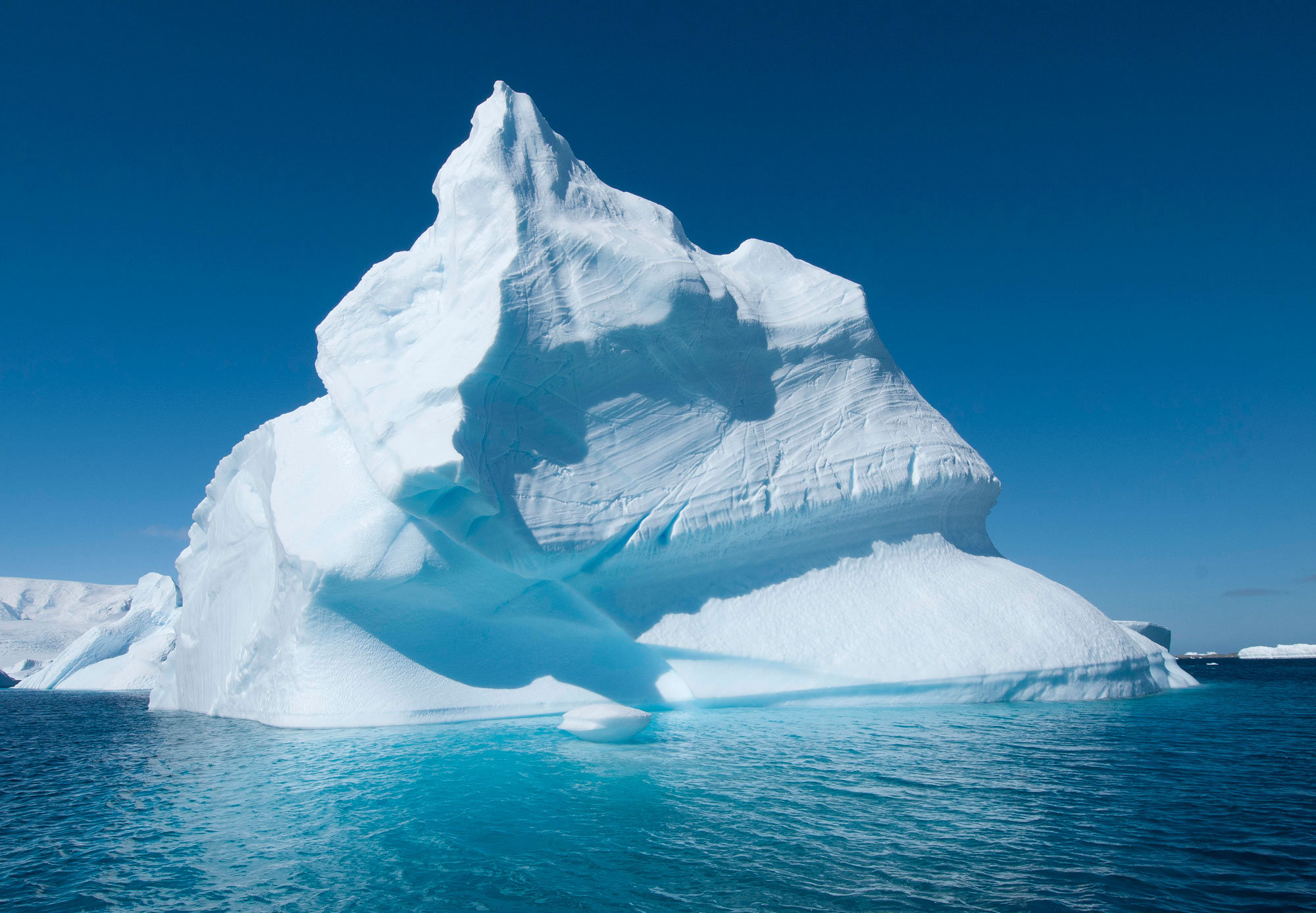
After passing the Antarctic Convergence – Antarctica’s natural boundary, formed when north-flowing cold waters collide with warmer subantarctic seas – you are in the circum-Antarctic upwelling zone. Not only does the marine life change, the avian life changes too: A variety of albatrosses and petrels show up, along with Cape pigeons and southern fulmars. Then, near the South Shetlands Islands, the first icebergs flash into sight.
Day 4 - 9: Antarctic Peninsula
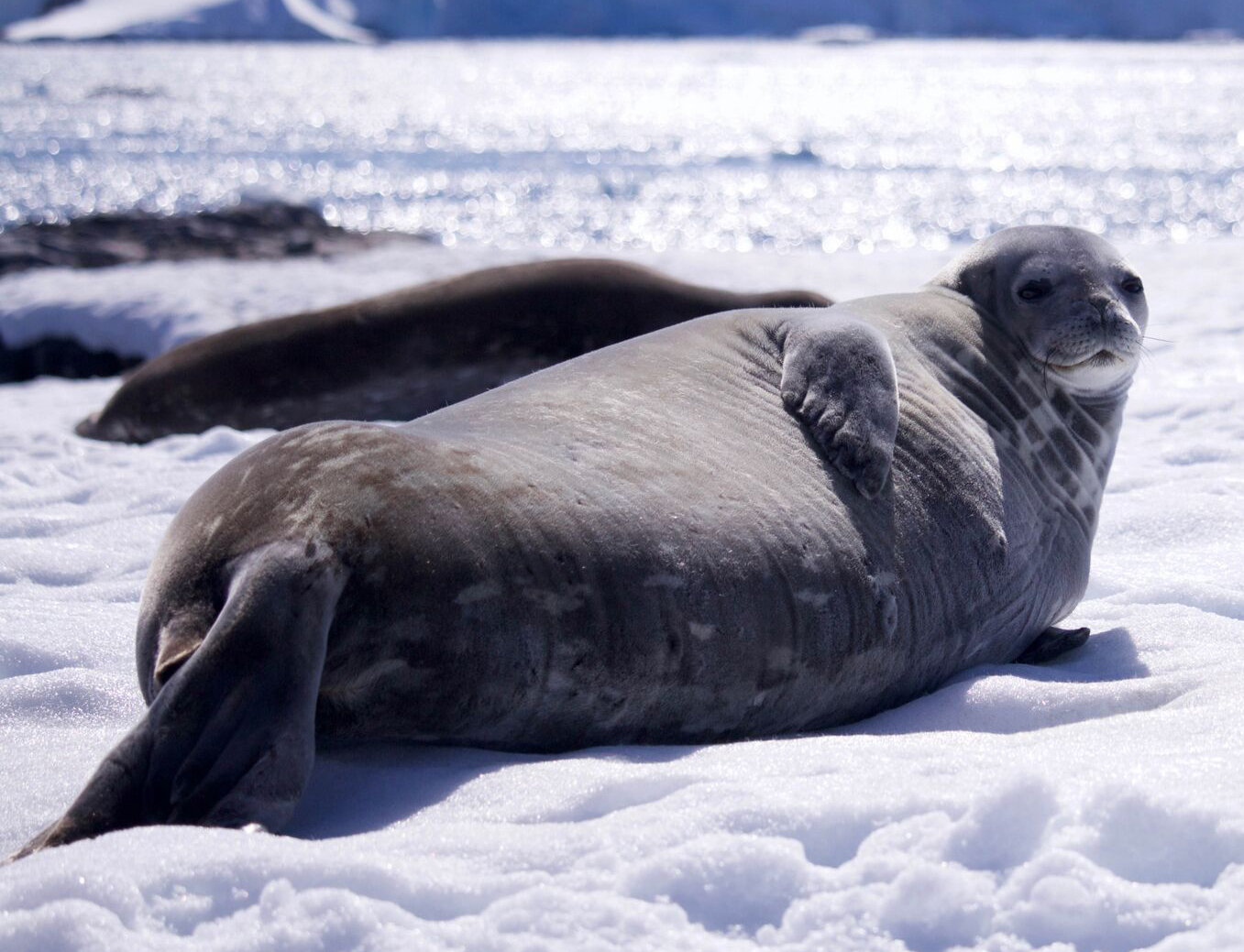
Options for Antarctic Peninsula activities are many, and no less great during the late summer. Humpback whales are prolific in this region, gorging themselves on krill before their migration north. The penguin chicks are also fledging, stirring up activity on the beaches while sleek leopard seals lie in wait, poised to attack the less fortunate ones.
Sites for your adventures may include:
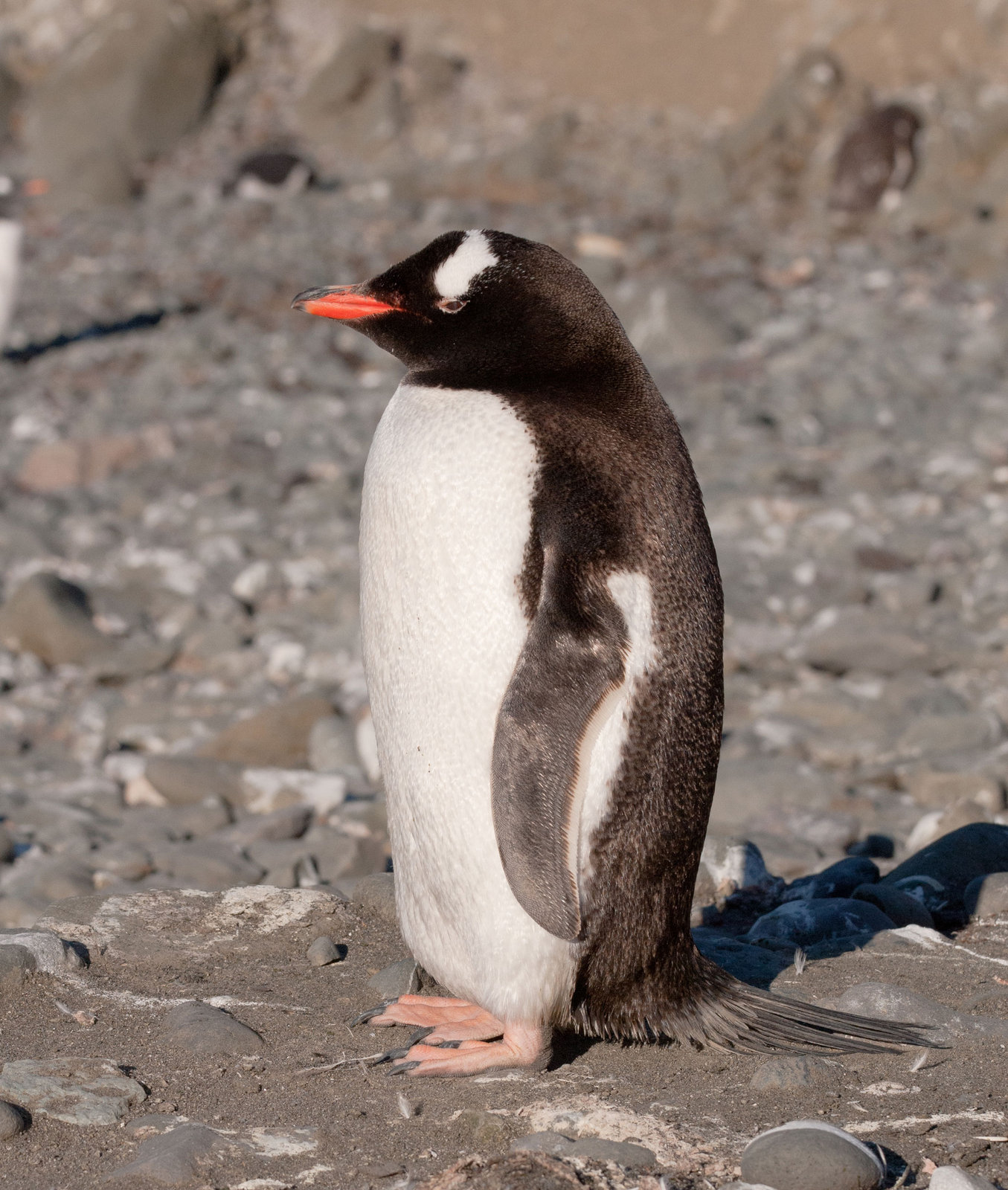
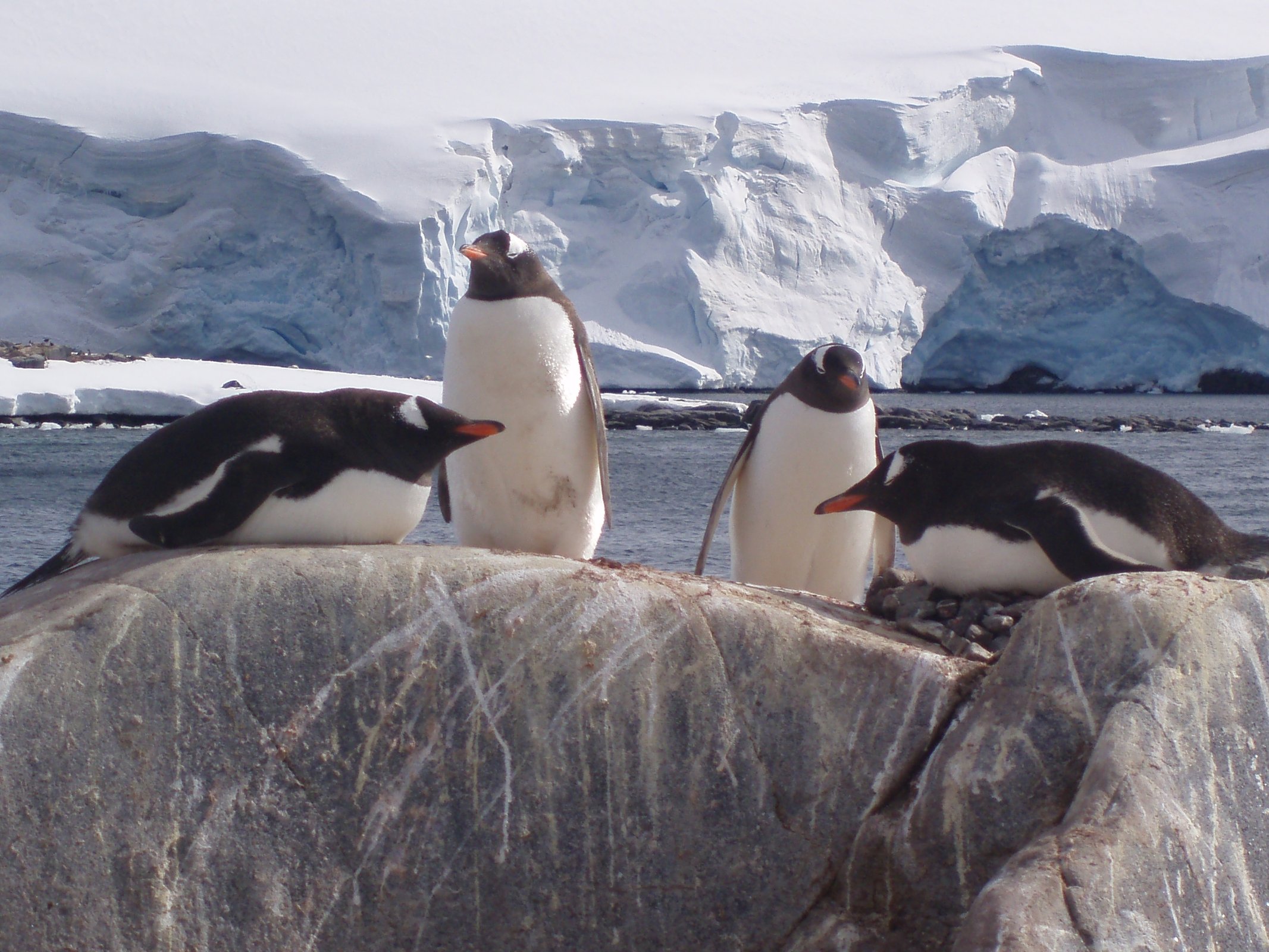
Livingston Island – Here you find a wide variety of gentoo and chinstrap penguins on Hannah Point, in addition to southern giant petrels and elephant seals hauling out onto the beach.
Deception Island – Actually a subducted crater, this island opens into the sea and creates a natural harbor for the ship. Hot springs, an abandoned whaling station, and multiple bird species – cape petrels, kelp gulls, brown and south polar skuas, and Antarctic terns – can be seen here. Wilson’s storm petrels and black-bellied storm petrels also nest in the ruins of the whaling station in Whalers Bay.
Cuverville Island – A small precipitous island nestled between the mountains of the Antarctic Peninsula and Rongé Island, Cuverville houses a large colony of gentoo penguins and breeding pairs of brown skuas.
Neko Harbour – An epic landscape of mammoth glaciers and endless wind-carved snow. Opportunities for Zodiac cruising and kayaking provide you the closest possible view of the ice-crusted alpine peaks. You may also be able to set foot on the Continent here. Paradise Bay – You could take a Zodiac cruise in these sprawling, ice-flecked waters, where you have a good chance of seeing humpback and minke whales.
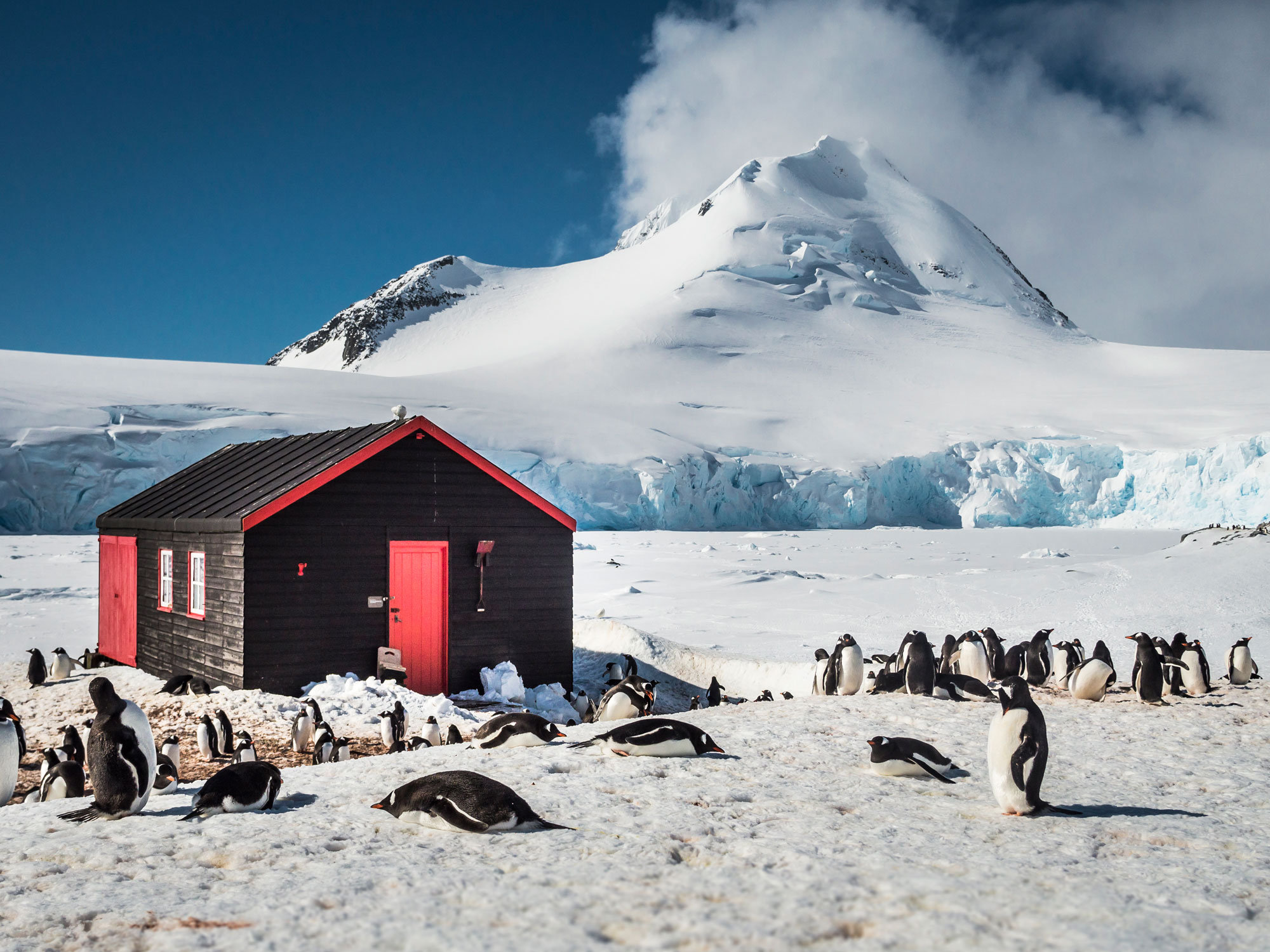
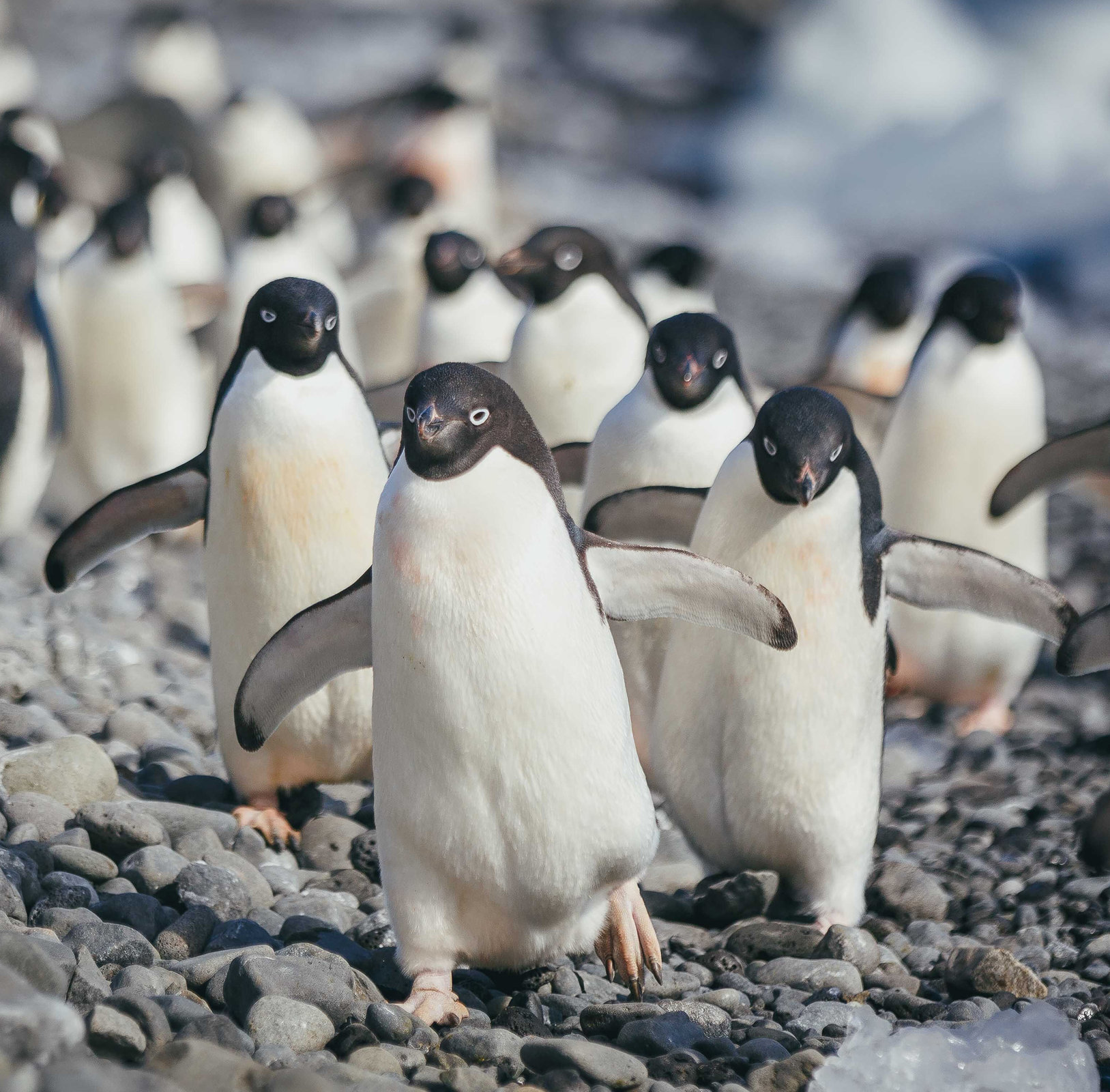
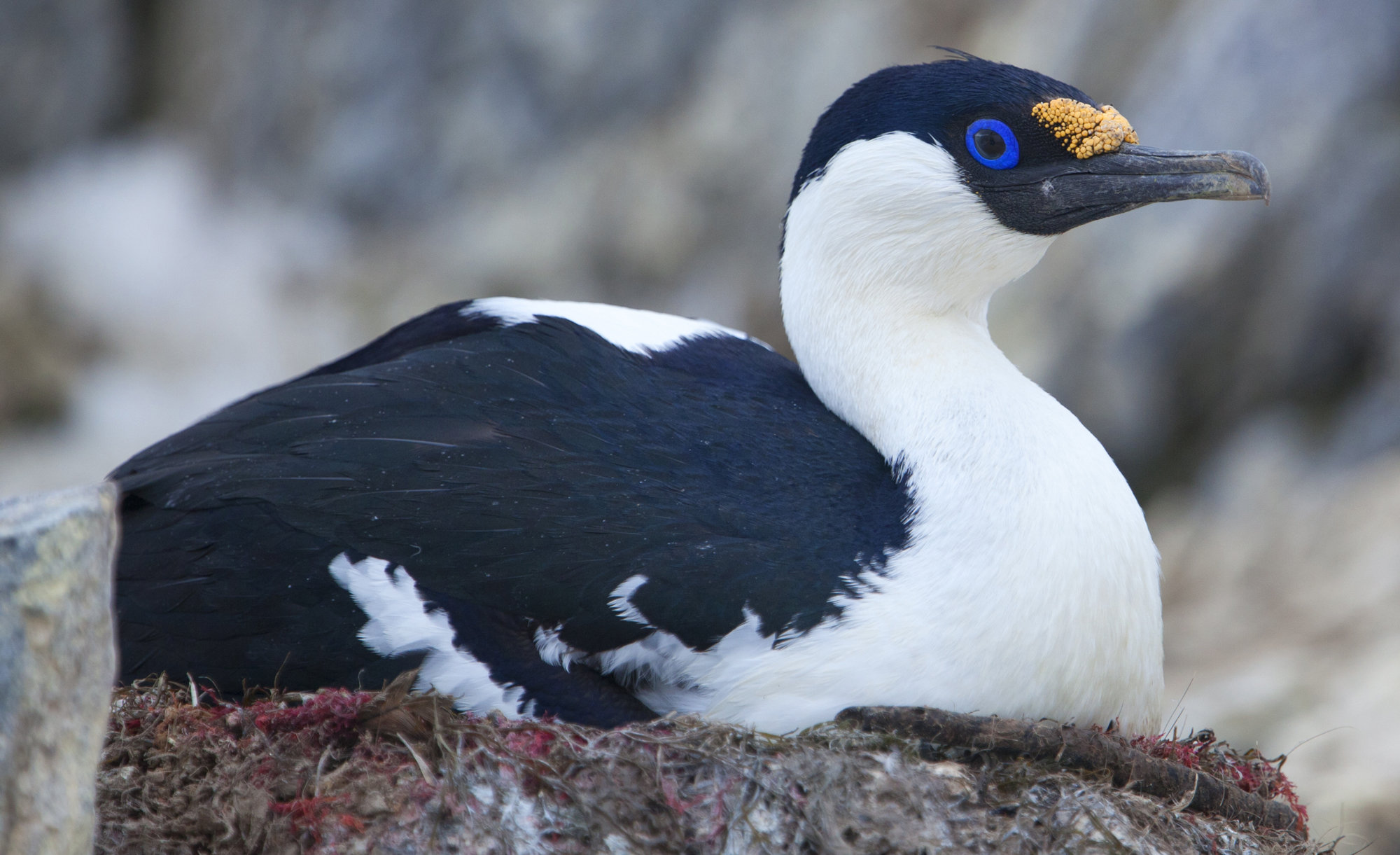
Booth, Pléneau & Petermann Islands – If the ice allows it, you may sail through the Lemaire Channel in search of Adélie penguins and blue-eyed shags. There’s a good chance you’ll encounter humpback and minke whales as well as leopard seals. You may also visit Booth Island’s Port Charcot.
Crystal Sound – The journey takes you south along the Argentine Islands to this ice-packed body of water, and from here across the Polar Circle in the morning. Detaille Island – You may make a landing at an abandoned British research station here.
Fish Islands – Further north you encounter one of the southernmost Adélie penguin and blue-eyed shag colonies in the Antarctic Peninsula.
Melchior Islands – A beautiful landscape rich with icebergs. Leopard seals, crabeater seals, and whales are found here, and there are excellent opportunities for kayaking and diving. You depart at noon, depending on conditions on the Drake Passage.
Day 10 - 11: Crossing the Drake Passage
Your return voyage is far from lonely. While crossing the Drake, you’re again greeted by the vast array of seabirds remembered from the passage south. But they seem a little more familiar to you now, and you to them.
Day 12: Disembark in Ushuaia
Every adventure, no matter how grand, must eventually come to an end. It’s now time to disembark in Ushuaia, but with memories that will accompany you wherever your next adventure lies.
Dates
Save up to 15% on cabins!
Ushuaia - Antarctica - Polar Circle - Ushuaia (13 Days)
Modern x-bow expedition ship: 130 passengers
Optional Activities: Kayaking, Snowshoeing, Ski/ Snowboard touring
Includes: 1 pre-voyage hotel night & free Expedition Jacket
From price per person in a Triple Porthole cabin
Contact Us for all cabin prices & availability
Offer expires 30th June 2026
Extended Voyage inc Falklands & South Georgia & Polar Circle.
Ushuaia - Antarctica - Falklands - South Georgia - Polar Circle - Ushuaia (23 Days)
Modern x-bow expedition ship: 130 passengers
Optional Activities: Kayaking, Snowshoeing
Includes: 1 pre-voyage hotel night & free Expedition Jacket
From price per person in a Triple Porthole cabin
Contact Us for all cabin prices & availability

Save up to 10% off cabins!
Ushuaia - Antarctica - Polar Circle - Ushuaia (13 Days)
Modern x-bow expedition ship: 130 passengers
Optional Activities: Kayaking, Snorkelling, Snowshoeing
Includes: 1 pre-voyage hotel night & free Expedition Jacket
From price per person in a Triple Porthole cabin
Contact Us for all cabin prices & availability
Offer expires 30th June 2026
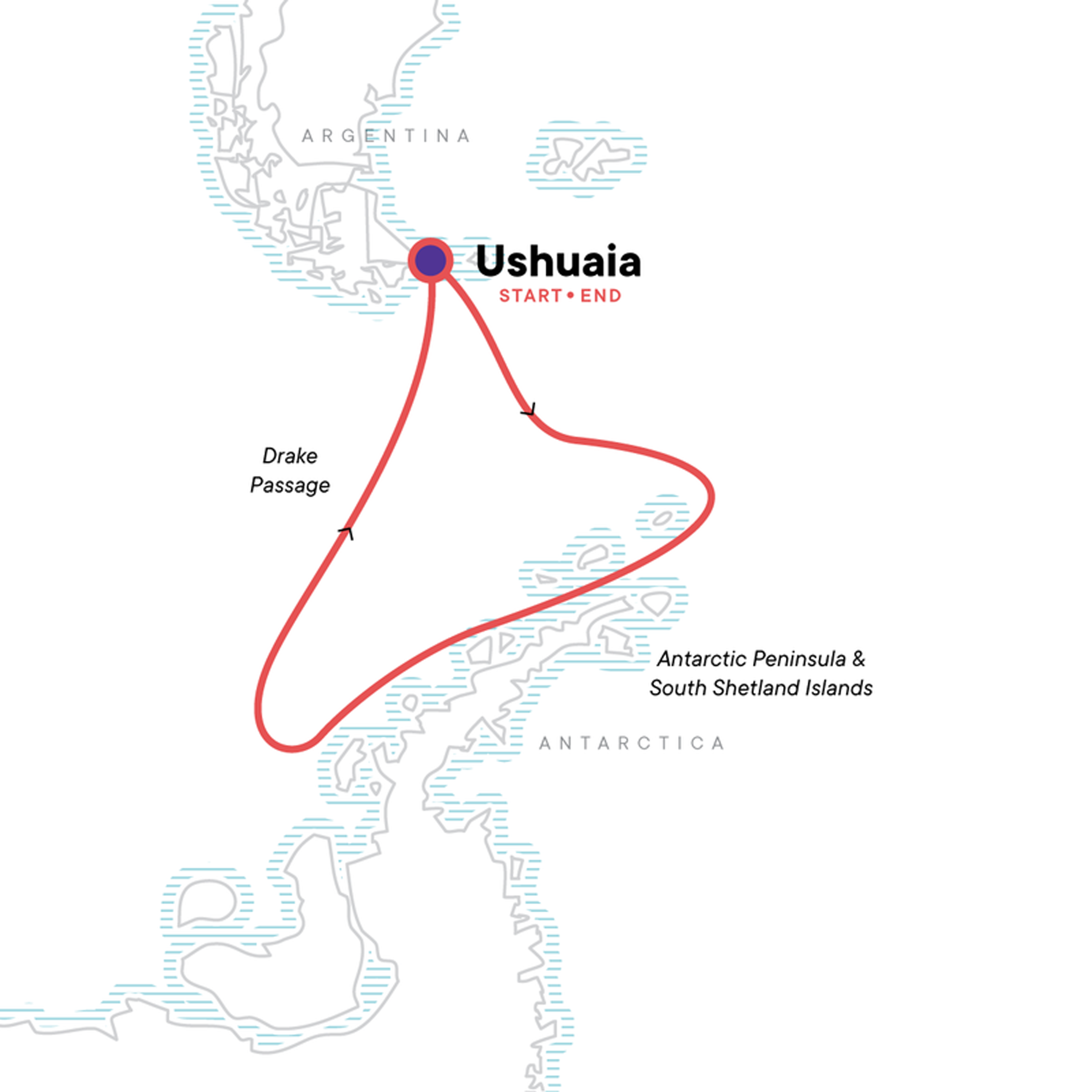
Ushuaia - Antarctica - Polar Circle - Ushuaia (13 Days)
Modern x-bow expedition ship: 175 passengers
Optional Activities: Kayaking, Camping, Snowshoeing & Photography Program
Includes: free Expedition Parka, Pre-voyage hotel night
From price per person in a Triple Porthole cabin
Contact Us for all cabin prices & availability

Ushuaia - Antarctica - Polar Circle - Ushuaia (13 Days)
Modern x-bow expedition ship: 169 passengers
Optional Activities: Kayaking & Photography Program
Includes: free Expedition Parka, Pre-voyage hotel night
From price per person in a Triple Porthole cabin
Contact Us for all cabin prices & availability
Fly & Sail Voyage
Punta Arenas - Antarctica - Polar Circle - Punta Arenas (11 Days)
Modern x-bow expedition ship: 138 passengers
Optional Activities: Kayaking
Includes: free Expedition Jacket
Fly & Sail Voyage includes: 1 pre-&-post-voyage hotel night in Punta Arenas, return flights Punta Arenas to King George Island
From price per person in a Twin Porthole cabin
Contact Us for all cabin prices & availability
Ushuaia - Antarctica - Ushuaia (15 Days)
Luxury expedition ship: 114 passengers
Optional Activities: Camping, Kayaking
Included Activities: Photography Workshops
Includes: 1 pre-voyage hotel night & free Expedition Parka
From price per person in a Triple Porthole cabin
Contact Us for all cabin prices & availability
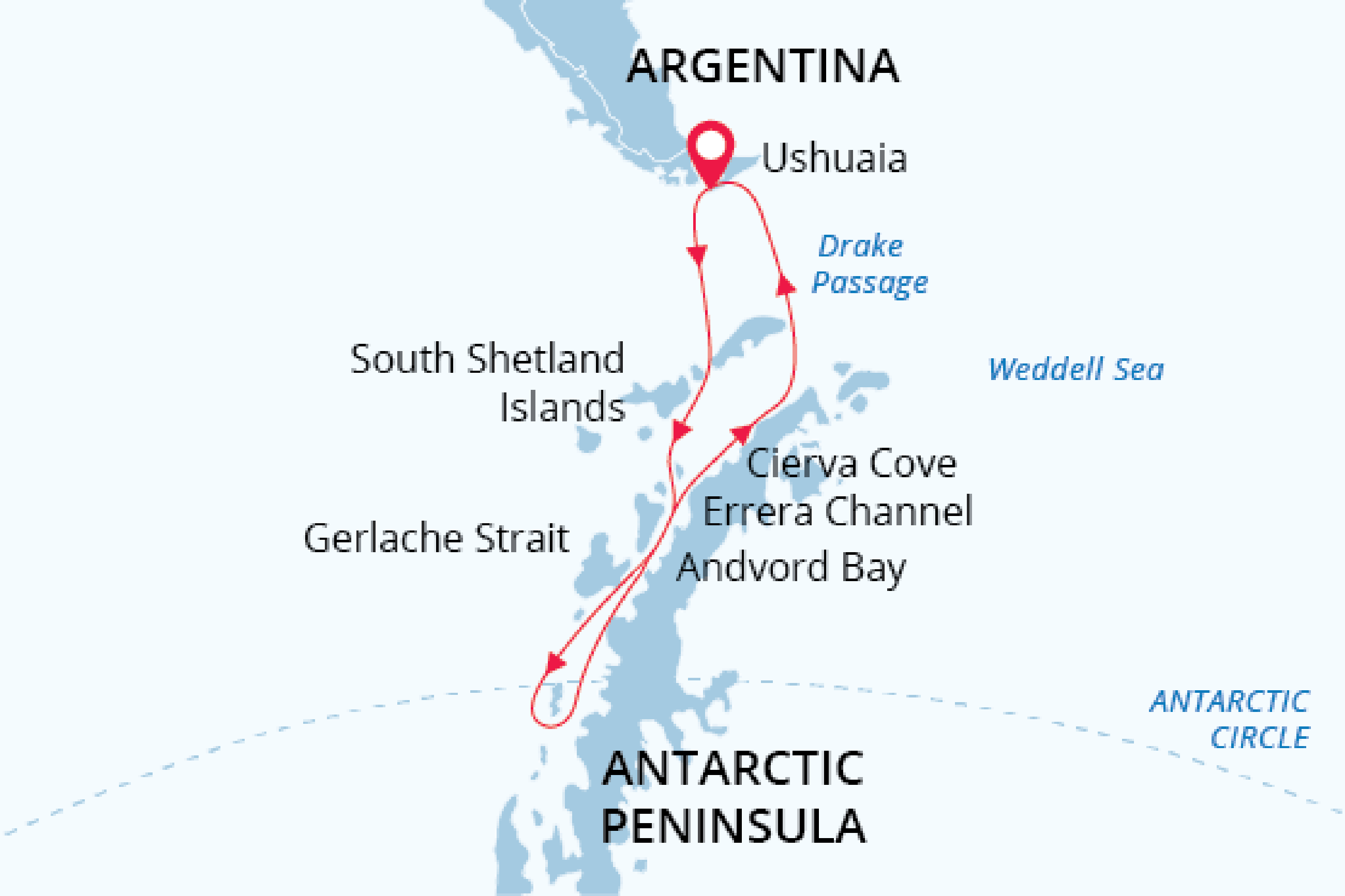
Ushuaia - Antarctica - Ushuaia (12 Days)
Comfortable expedition ship: 90 passengers
From price per person in a Triple Window Cabin
Contact Us for all cabin prices & availability

Save up to 10% off cabins!
Extended Voyage inc Falklands & South Georgia & Polar Circle. Christmas & New Year in Antarctica
Ushuaia - Antarctica - Falklands - South Georgia - Polar Circle - Ushuaia (23 Days)
Modern x-bow expedition ship: 130 passengers
Optional Activities: Kayaking, Snorkelling, Scuba Diving
Includes: 1 pre-voyage hotel night & free Expedition Jacket
From price per person in a Triple Porthole cabin
Contact Us for all cabin prices & availability
Offer expires 30th June 2026
Ushuaia - Antarctica - Polar Circle - Ushuaia (13 Days)
Modern x-bow expedition ship: 175 passengers
Optional Activities: Kayaking & Photography Program
Includes: free Expedition Parka, Pre-Voyage Hotel night
From price per person in a Triple Porthole cabin
Contact Us for all cabin prices & availability
Save up to 10% off cabins!
Fly & Sail Voyage
Ushuaia - Antarctica - Polar Circle - Punta Arenas (13 Days)
Modern x-bow expedition ship: 130 passengers
Optional Activities: Kayaking, Scuba Diving, Snorkelling
Includes: 1 pre-voyage hotel night & free Expedition Jacket
From price per person in a Triple Porthole cabin
Contact Us for all cabin prices & availability
Offer expires 30th June 2026

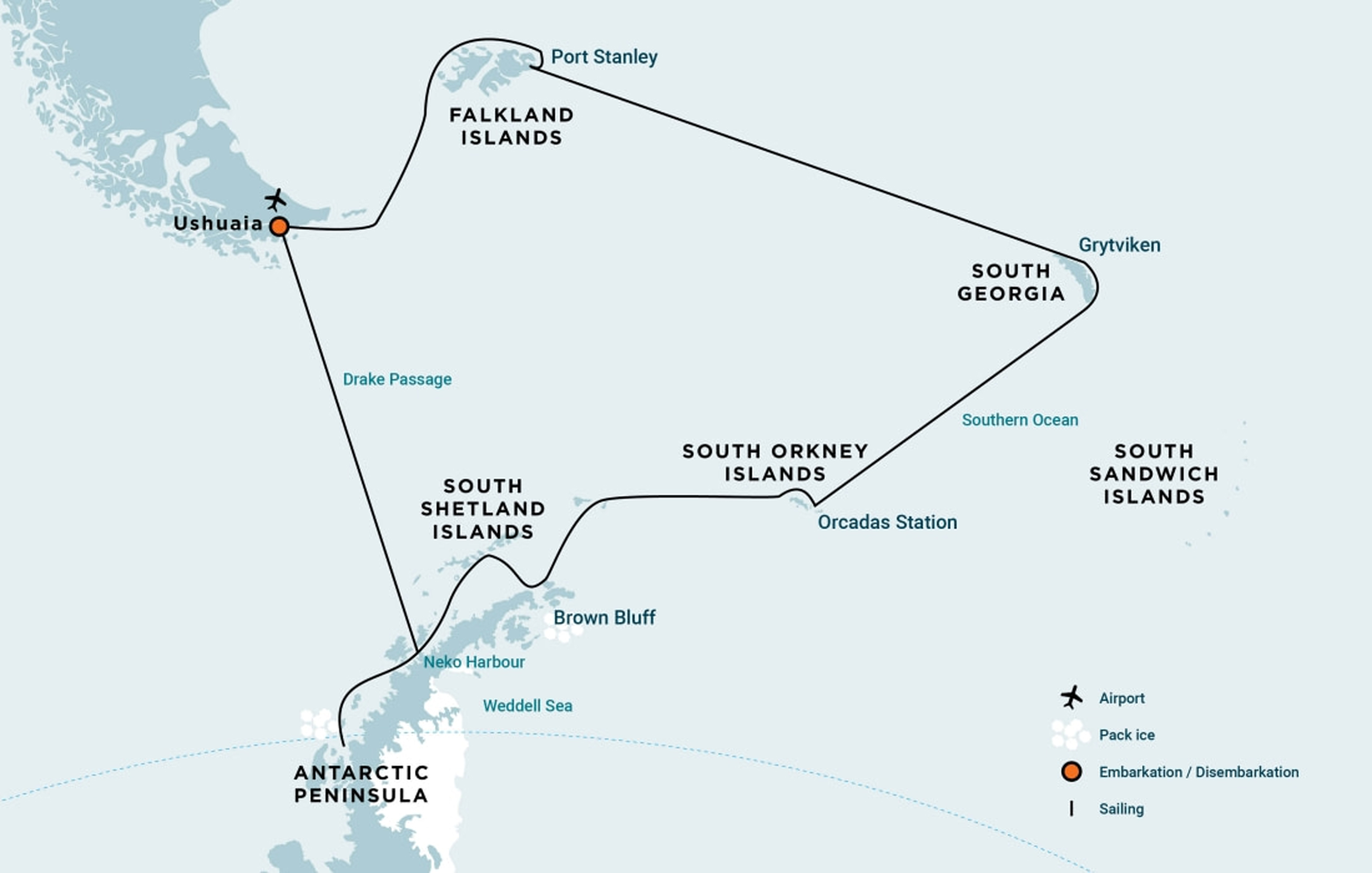
Extended Voyage inc Falklands & South Georgia & Polar Circle
Ushuaia - Antarctica - Falklands - South Georgia - Polar Circle - Ushuaia (23 Days)
Modern expedition ship: 170 passengers
Itinerary includes Elephant Island
Optional activities: Diving
From price per person in a Quad Porthole cabin
Contact Us for all cabin prices & availability
Save up to 15% off cabins!
Ushuaia - Antarctica - Polar Circle - Ushuaia (13 Days)
Modern x-bow expedition ship: 130 passengers
Optional Activities: Kayaking, Scuba Diving, Snorkelling
Includes: 1 pre-voyage hotel night & free Expedition Jacket
From price per person in a Triple Porthole cabin
Contact Us for all cabin prices & availability
Offer expires 30th June 2026
Ushuaia - Antarctica - Ushuaia (13 Days)
Comfortable expedition ship: 108 passengers
Optional Activity: Polar Diving
From price per person in a Quad Porthole cabin
Contact Us for all cabin prices & availability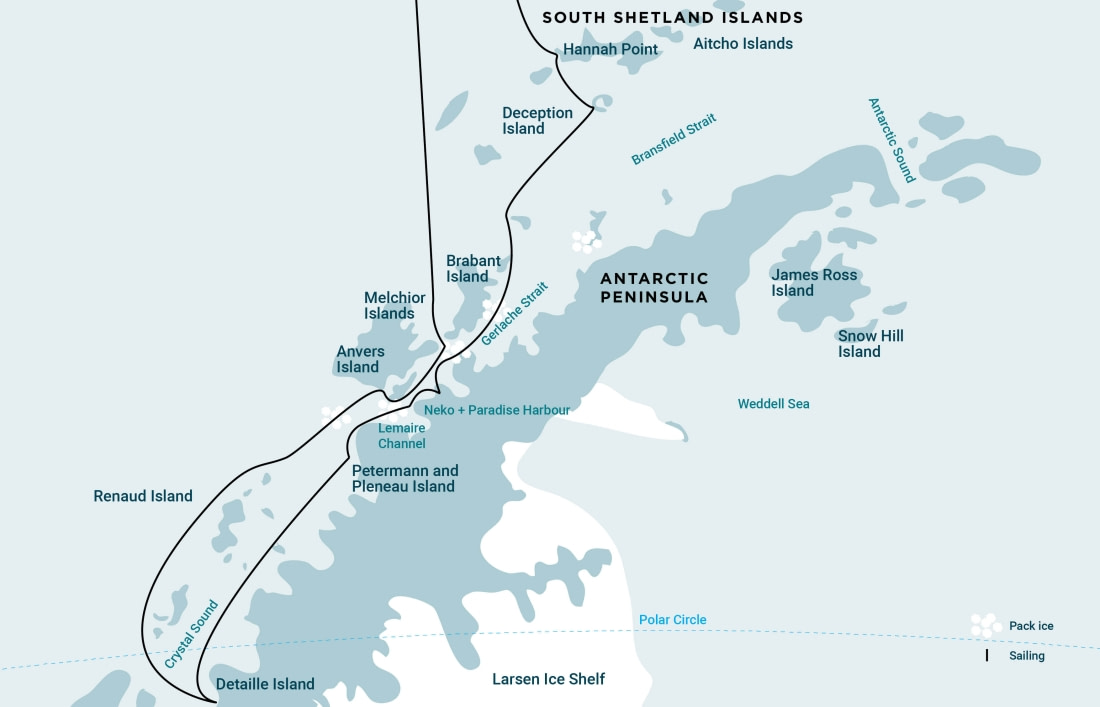
Extended Voyage inc Weddell Sea & Polar Circle
Ushuaia - Weddell Sea - Polar Circle - Ushuaia (15 Days)
Comfortable expedition ship: 108 passengers
Optional Activities: Scuba Diving
Diving Supplement: from €1,000 per person
Itinerary includes Elephant Island
From price per person in a Quad Porthole cabin
Contact Us for all cabin prices & availability
Ushuaia - Antarctica - Polar Circle - Ushuaia (13 Days)
Modern x-bow expedition ship: 130 passengers
Optional Activities: Kayaking, Ski/ Snowboard Touring, Snowshoeing, Alpine Trekking & Climbing
Includes: 1 pre-voyage hotel night & free Expedition Jacket
From price per person in a Triple Porthole cabin
Contact Us for all cabin prices & availability
Offer Expires 30th June 2026
Save up to 15% off cabins!
Ushuaia - Antarctica - Polar Circle - Ushuaia (13 Days)
Modern x-bow expedition ship: 130 passengers
Optional Activities: Kayaking, Snorkelling, Snowshoeing
Includes: 1 pre-voyage hotel night & free Expedition Jacket
From price per person in a Triple Porthole cabin
Contact Us for all cabin prices & availability
Offer Expires 30th June 2026
Save up to 15% off cabins!
Ushuaia - Antarctica - Polar Circle - Ushuaia (13 Days)
Modern x-bow expedition ship: 130 passengers
Optional Activities: Kayaking, Snorkelling, Snowshoeing
Includes: 1 pre-voyage hotel night & free Expedition Jacket
From price per person in a Triple Porthole cabin
Contact Us for all cabin prices & availability
Offer Expires 30th June 2026
Save up to 15% off cabins!
Ushuaia - Antarctica - Polar Circle - Ushuaia (13 Days)
Modern x-bow expedition ship: 130 passengers
Optional Activities: Kayaking, Snorkelling
Includes: 1 pre-voyage hotel night & free Expedition Jacket
From price per person in a Triple Porthole cabin
Contact Us for all cabin prices & availability
Offer Expires 30th June 2026
Save up to 20% off cabins!
Ushuaia - Antarctica - Polar Circle - Ushuaia (13 Days)
Modern x-bow expedition ship: 130 passengers
Optional Activities: Kayaking, Snorkelling
Includes: 1 pre-voyage hotel night & free Expedition Jacket
From price per person in a Triple Porthole cabin
Contact Us for all cabin prices & availability
Offer Expires 30th June2026
Ushuaia - Antarctica - Ushuaia (15 Days)
Luxury expedition ship: 114 passengers
Optional Activities: Camping, Kayaking
Included Activities: Photography Workshops
Includes: 1 pre-voyage hotel night & free Expedition Parka
From price per person in a Triple Porthole cabin
Contact Us for all cabin prices & availability
Extended Voyage inc Falklands & South Georgia & Polar Circle
Ushuaia - Antarctica - Falklands - South Georgia - Polar Circle - Ushuaia (23 Days)
Modern expedition ship: 170 passengers
Itinerary includes Elephant Island
Optional activities: Diving
From price per person in a Quad Porthole cabin
Contact Us for all cabin prices & availability
Fly & Sail Voyage
Punta Arenas - Antarctica - Polar Circle - Punta Arenas (11 Days)
Modern x-bow expedition ship: 138 passengers
Optional Activities: Kayaking
Includes: free Expedition Jacket
Fly & Sail Voyage includes: 1 pre-&-post-voyage hotel night in Punta Arenas, return flights Punta Arenas to King George Island
From price per person in an Infinity Suite cabin
Contact Us for all cabin prices & availability

Save up to 15% off cabins!
Ushuaia - Antarctica - Polar Circle - Ushuaia (13 Days)
Modern x-bow expedition ship: 130 passengers
Optional Activities: Kayaking, Snorkelling
Includes: 1 pre-voyage hotel night & free Expedition Jacket
From price per person in a Triple Porthole cabin
Contact Us for all cabin prices & availability
Offer Expires 30th June 2026
Extended Voyage inc Weddell Sea & Polar Circle
Ushuaia - Weddell Sea - Polar Circle - Ushuaia (15 Days)
Comfortable expedition ship: 108 passengers
Optional Activities: Scuba Diving
Diving Supplement: from €1,000 per person
Itinerary includes Elephant Island
From price per person in a Quad Porthole cabin
Contact Us for all cabin prices & availability
Ushuaia - Antarctica - Polar Circle - Ushuaia (13 Days)
Comfortable expedition ship: 108 passengers
Optional Activities: Scuba Diving
Diving Supplement: from €1,050 per person
Itinerary includes Elephant Island
From price per person in a Quad Porthole cabin
Contact Us for all cabin prices & availability
Ushuaia - Antarctica - Ushuaia (13 Days)
Comfortable expedition ship: 108 passengers
From price per person in a Quad Porthole cabin
Contact Us for all cabin prices & availability
Notes:
Our prices include:
- Voyage as indicated in draft itinerary
- All meals, snacks, coffee and tea
- All shore excursions and zodiac activities
- Program of lectures by noted naturalists and leadership by experienced
expedition staff
- All miscellaneous services taxes and port charges throughout the programme
- Comprehensive pre-departure material
- Aqua-Firma automatically offsets the Carbon Emissions of your polar voyage
Prices exclude:
- Airfares
- Fuel surcharge where applicable*
- Optional activities (e.g. kayaking, diving) unless stated
- Pre and post land arrangements
- Transfers to and from the vessel
- Cancellation and personal insurance
- Passports and visas
- Arrival and departure tax
- Meals ashore
- Baggage
- Items of a personal nature (alcohol, laundry etc)
- Tips.
Activity Level:
Low unless you select an adventure activity such as kayaking, mountaineering or scuba diving.
Single supplement: Single occupancy price is between 1.5x - 2x times the per person cabin price. However, this does not apply if you are prepared to share a cabin with another passenger of the same gender.
*Fuel surcharge: The cost of fuel is currently volatile, so a fuel surcharge may be applied by the ship without notice. We will let you know if this applies to your booking and send you an updated invoice.