Arctic Sailing Voyage - North Spitsbergen
Svalbard (Spitsbergen)
FROM
€5,350
June - July 2026 & 2027 (11 Days)€5,350
View details
Enquire / Book
Aqua-Firma have been specialists in Arctic voyages for 14 years. Our on location, professional knowledge as polar natural history experts, onboard lecturers and scientist in the field mean we are well equipped to help plan and deliver an inspiring and memorable experience.
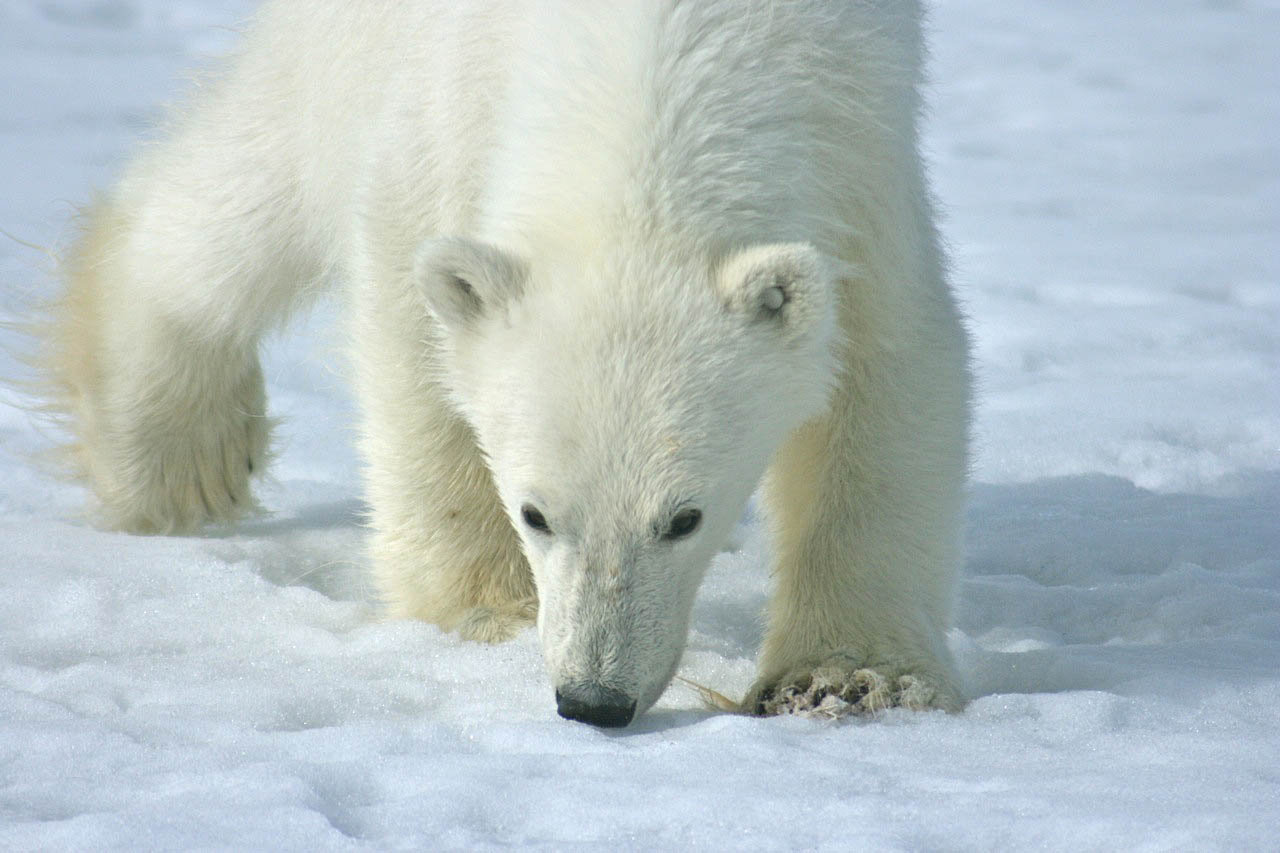
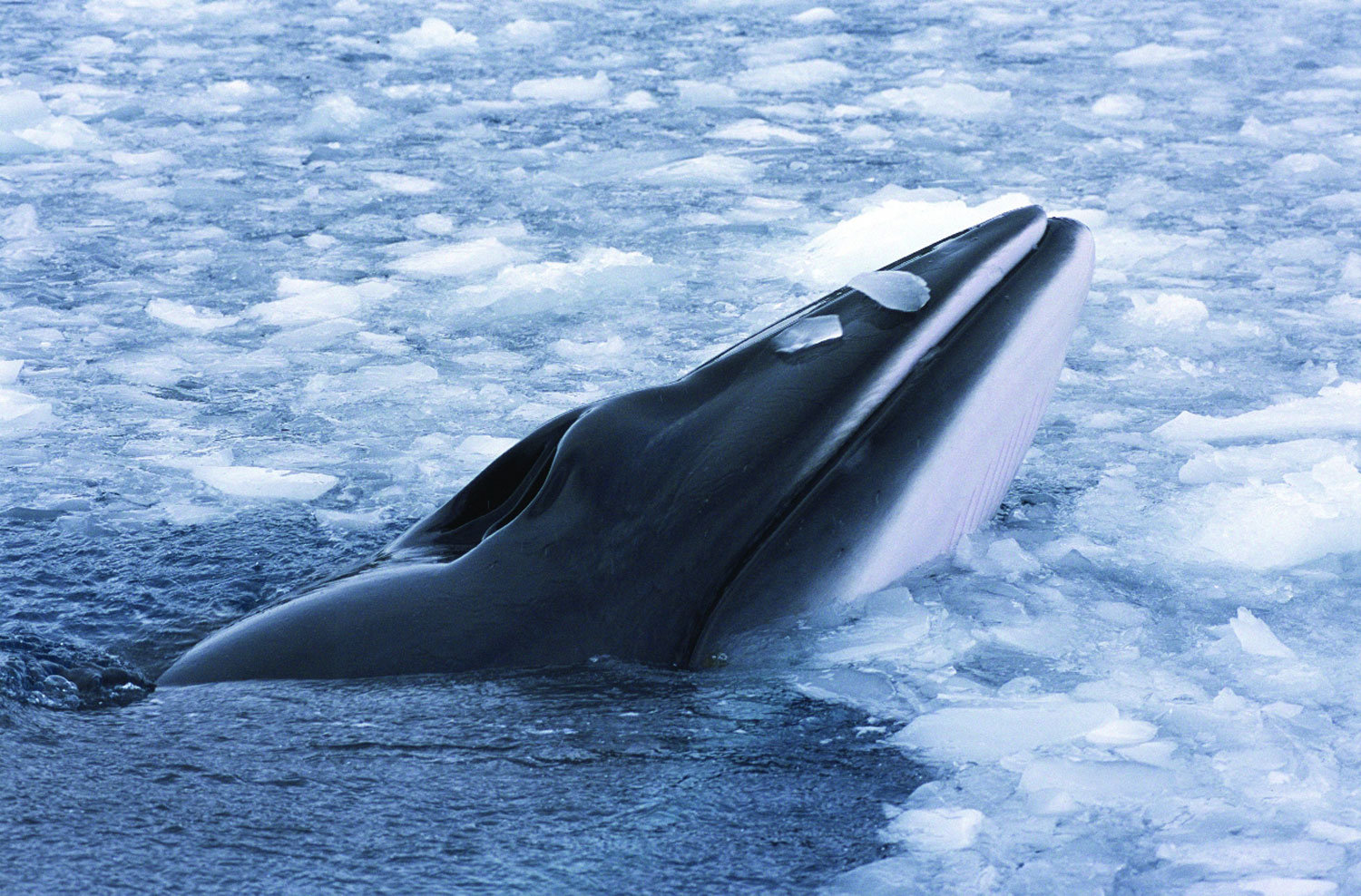
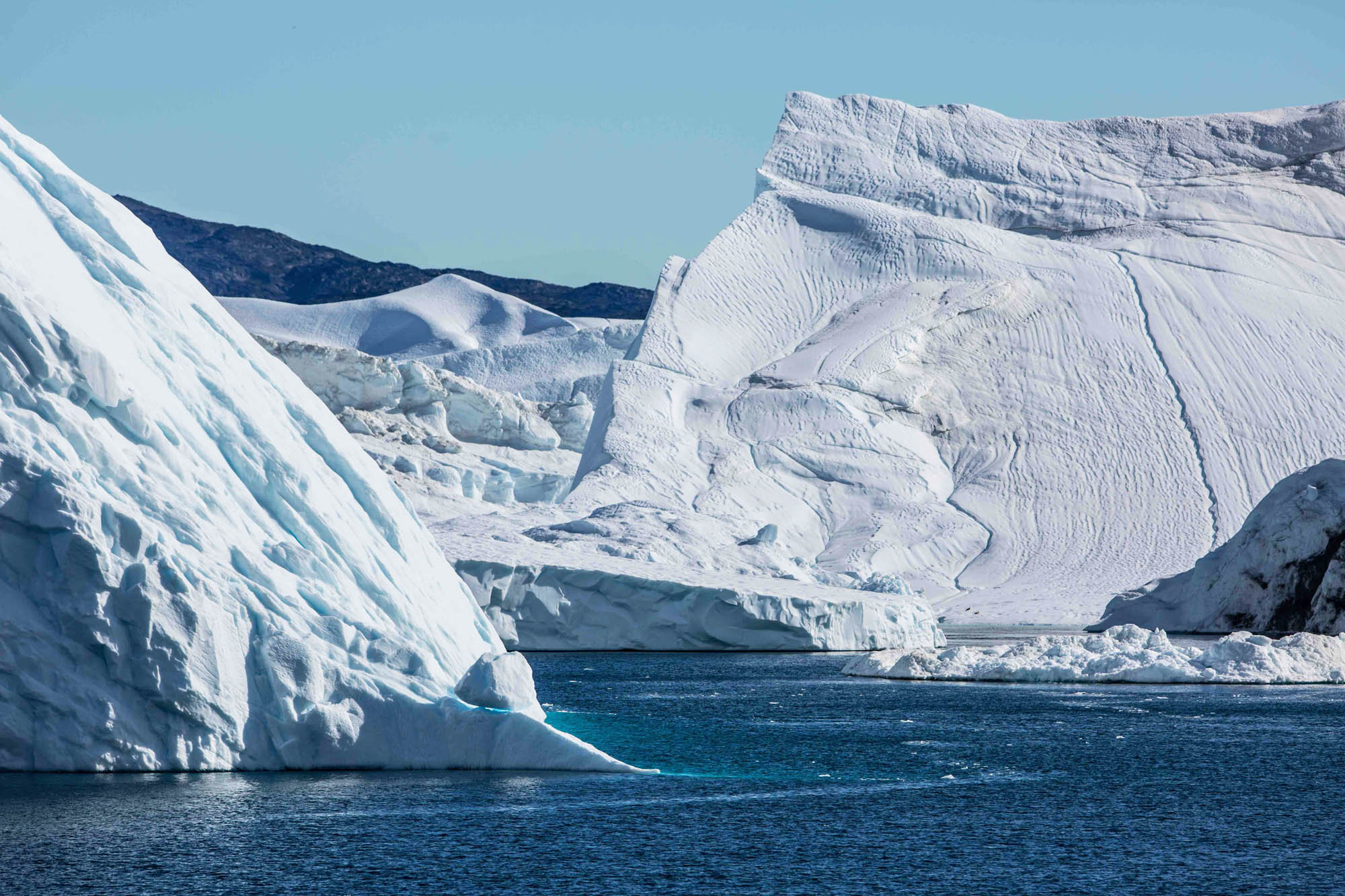
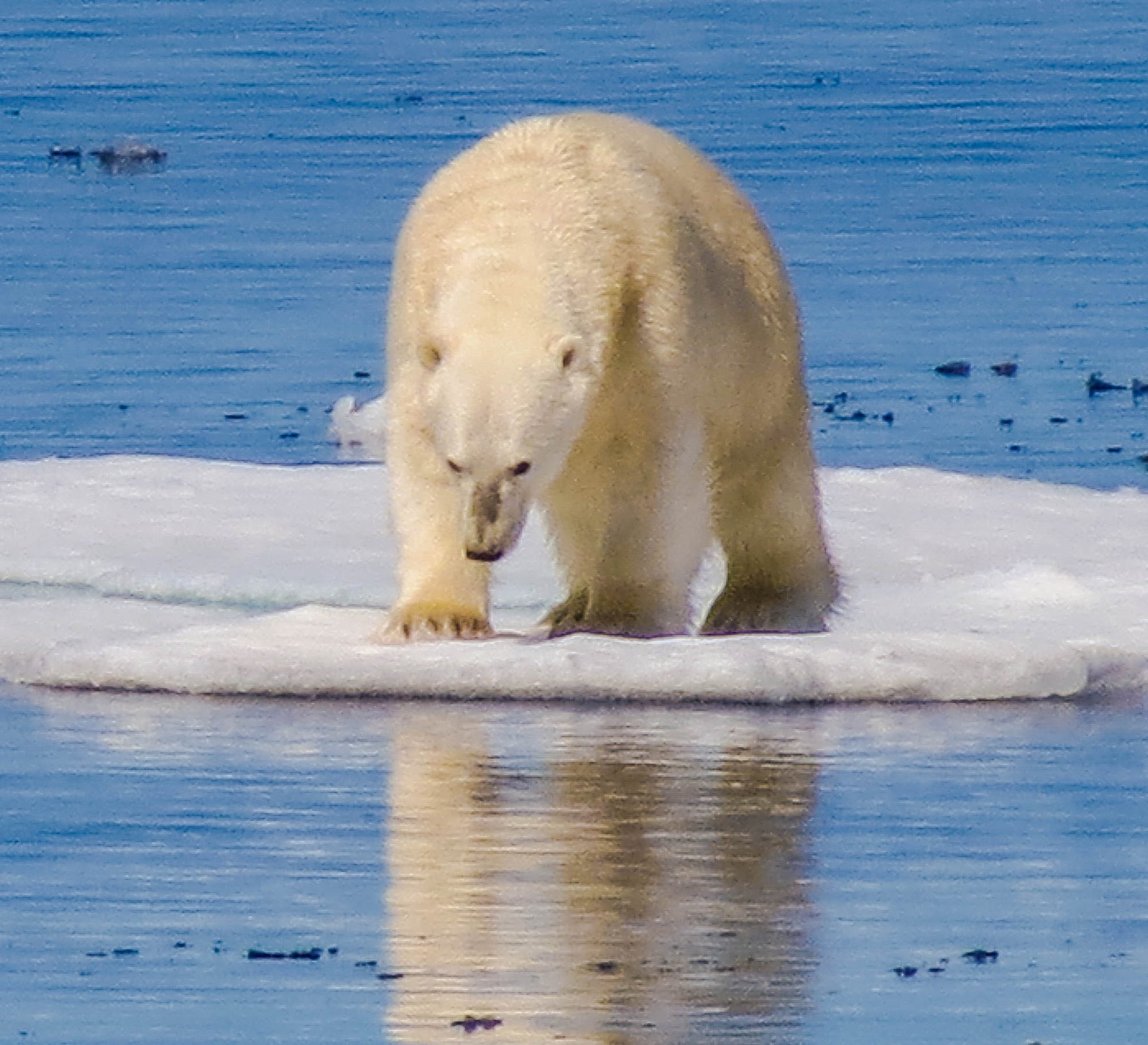
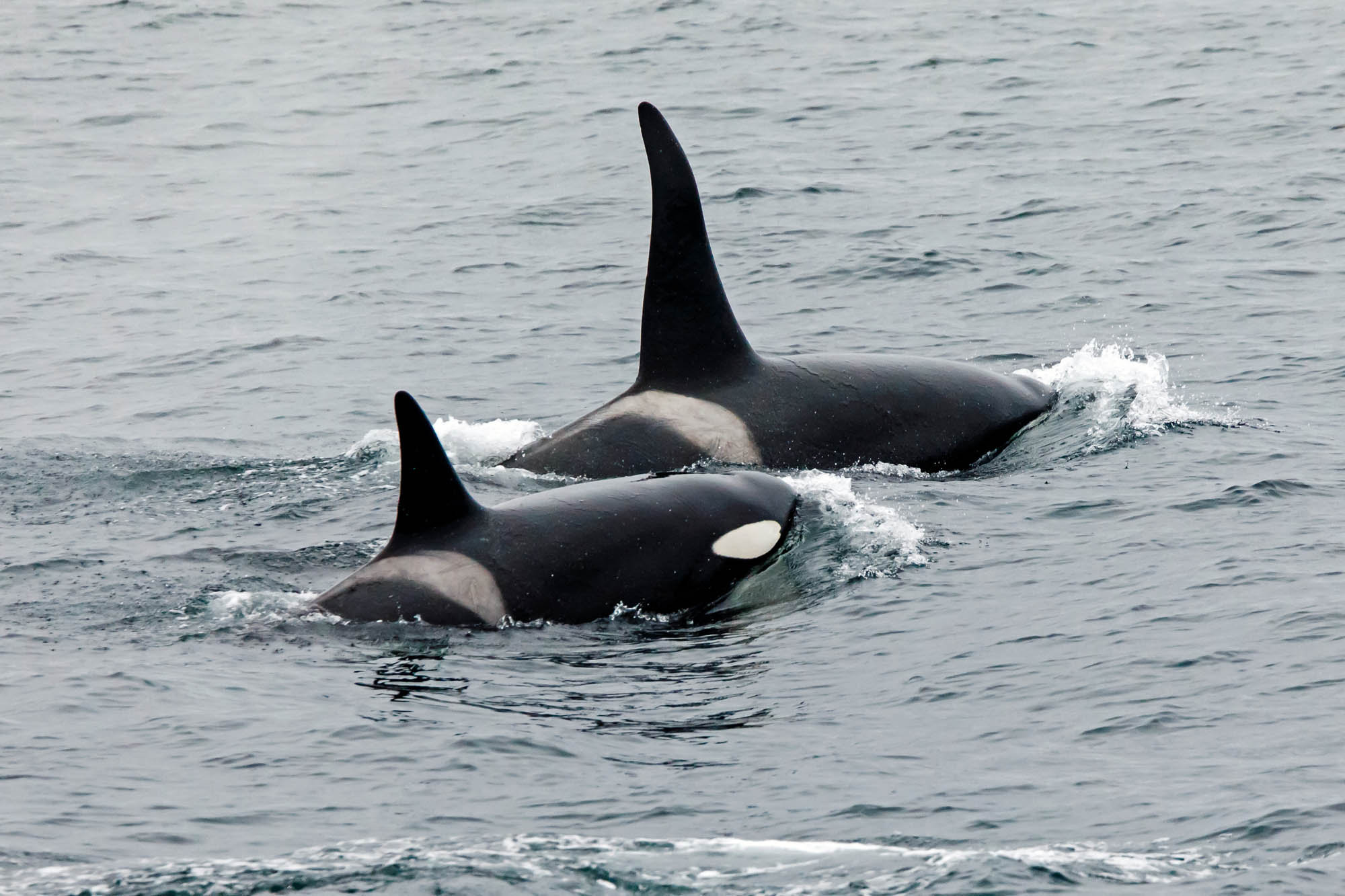
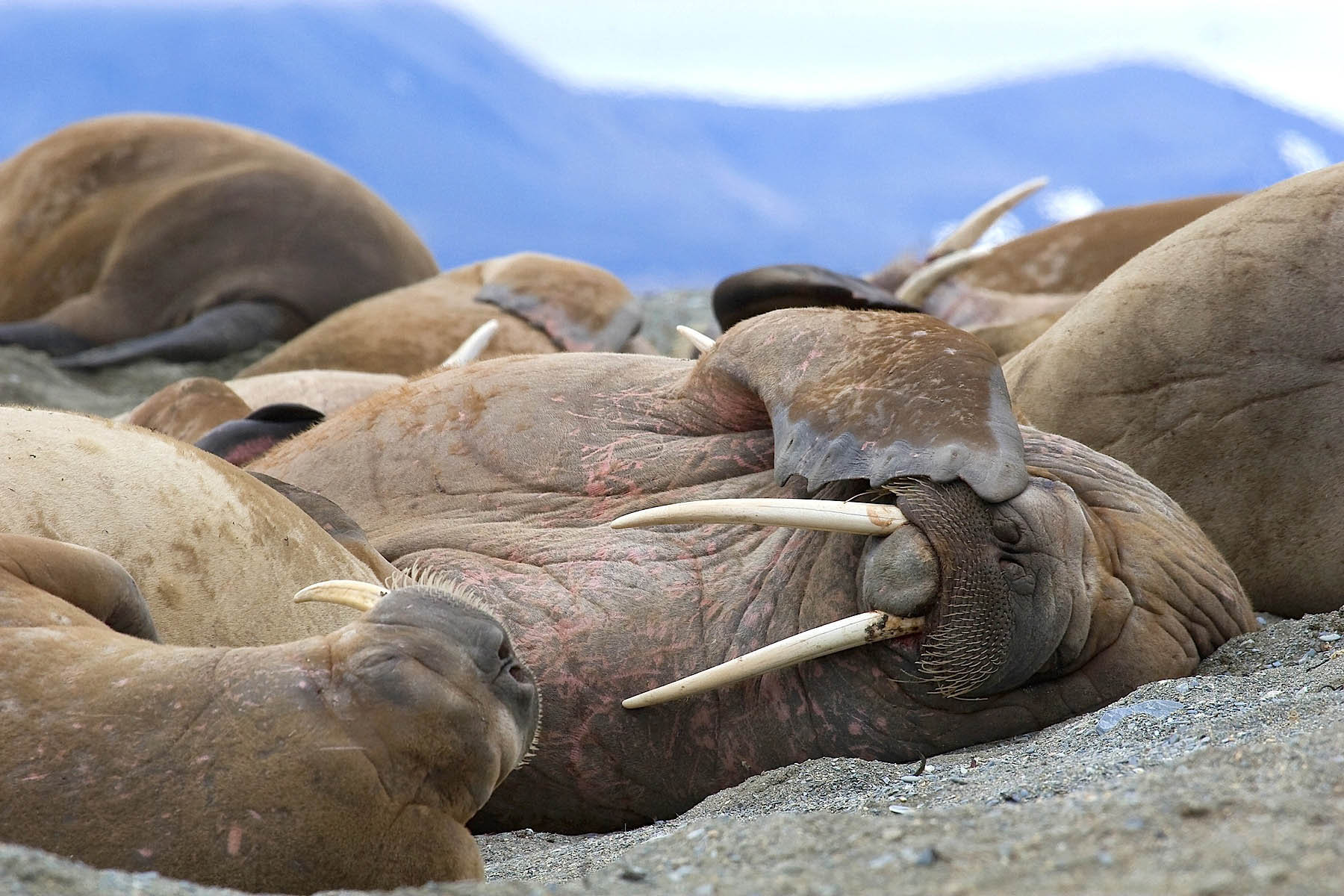
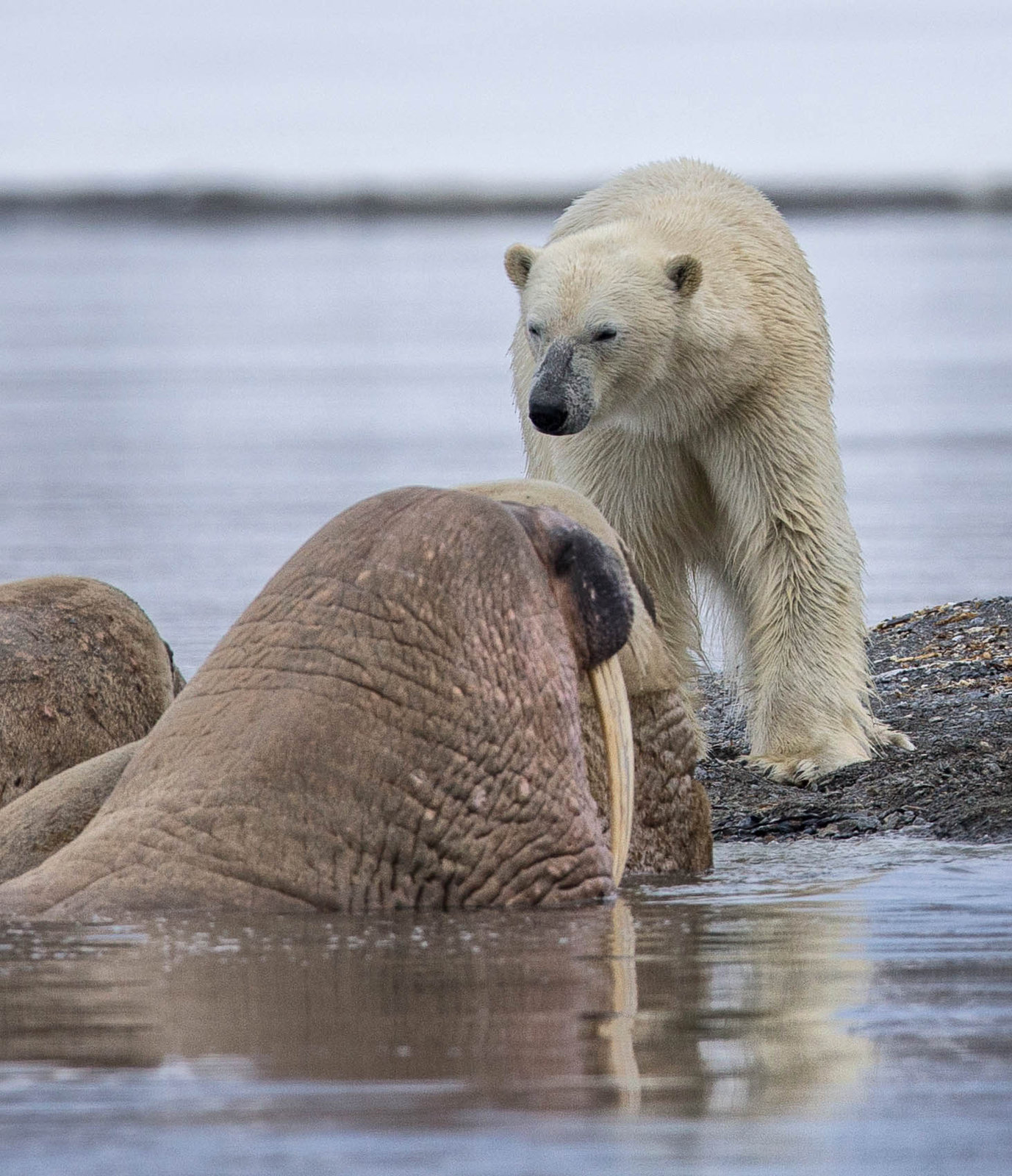
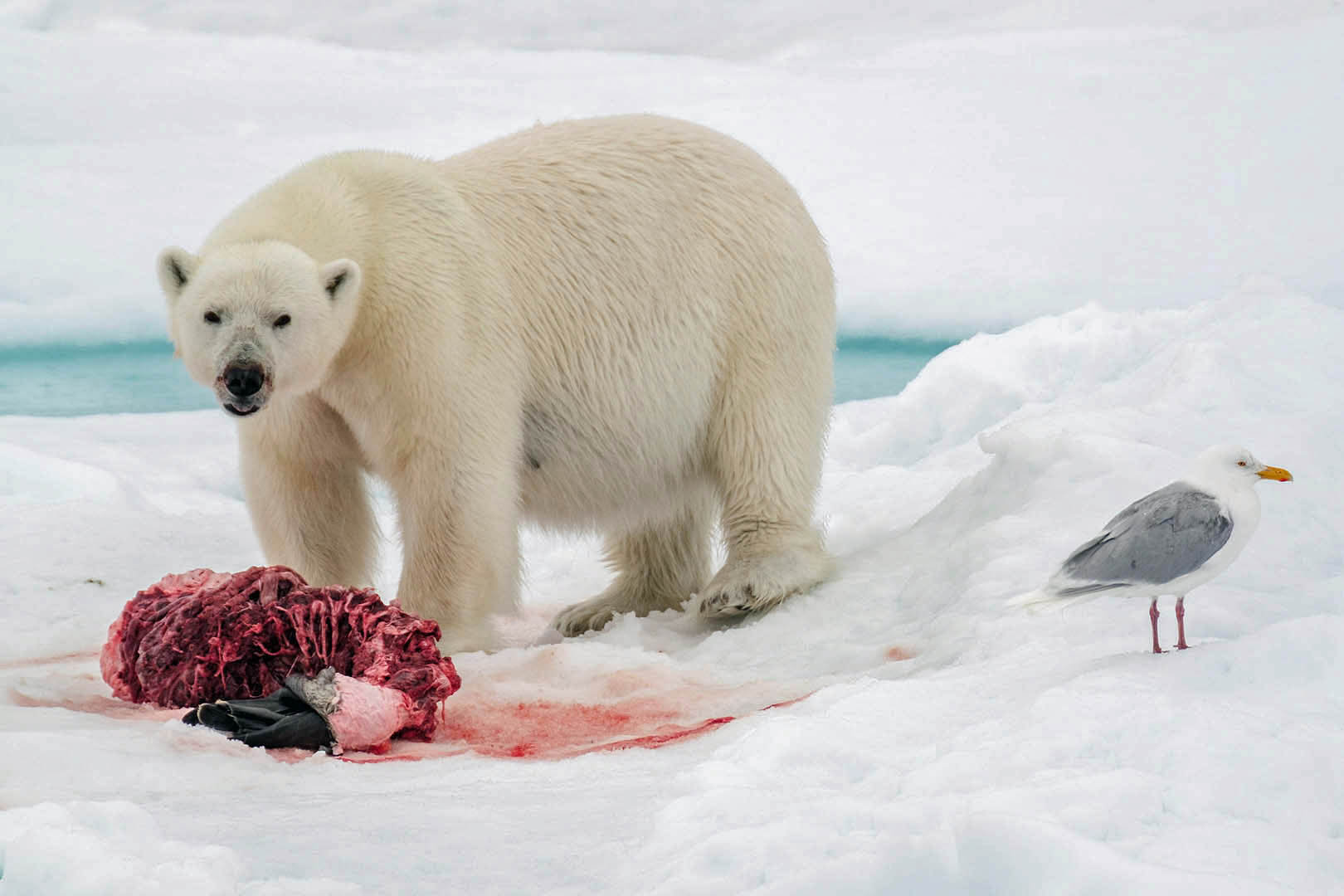
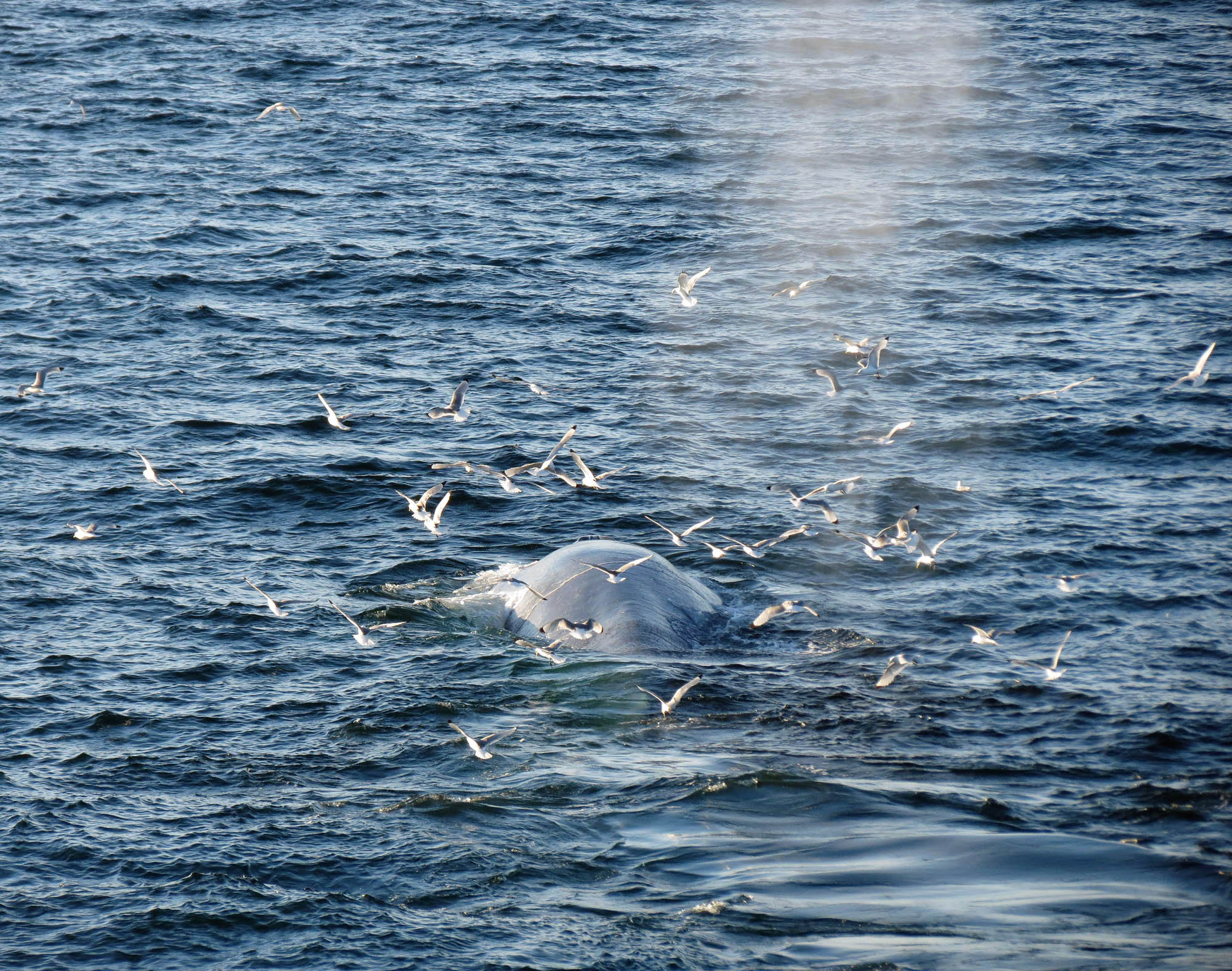
A journey in the Arctic is not one you merely take to reach your destination, but one to savour in itself, giving time and space to remove urban cobwebs and revitalise the mind. The coastal landscapes are both rich and expansive, where one may marvel at the spectacle of dolphin acrobatics at the bow, view tail flukes of whales on the horizon or witness polar bears cruising by on the ice.
The Arctic's vast and remote expanse is ideal for exploration from the sea. Your vessel is no longer only a means of transport, but your base camp; sustaining and protecting you, whilst at the same time taking you deeper into one of the wildest and most hostile places on the planet. The Arctic instills a strong sense of detachment from the routine of modern scheduled life.
Ice Strengthened Sailing & Motor Ships
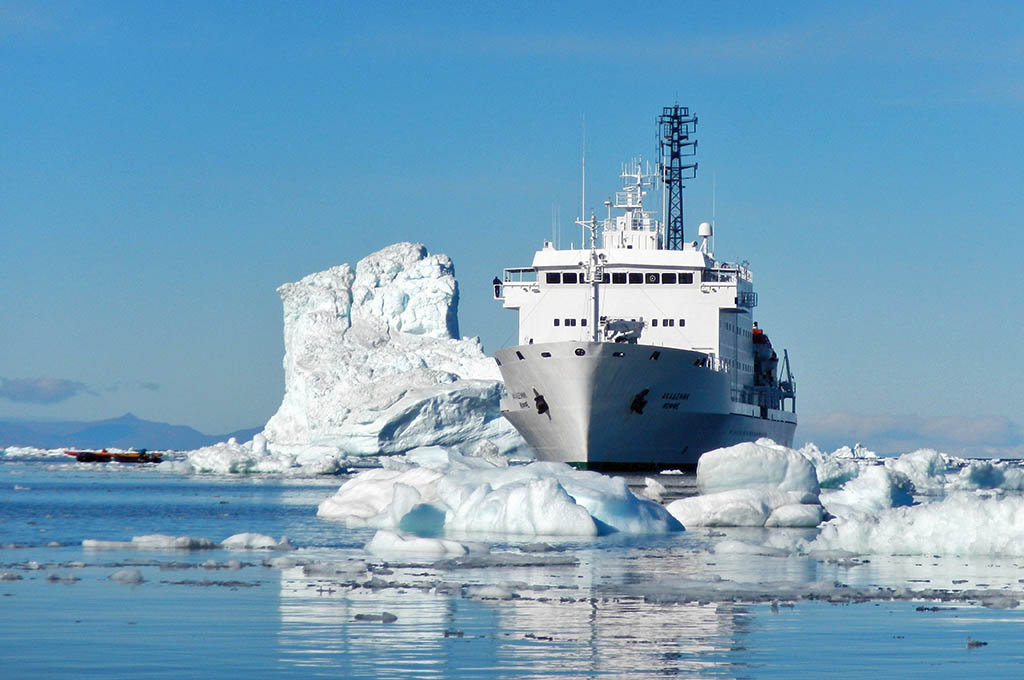
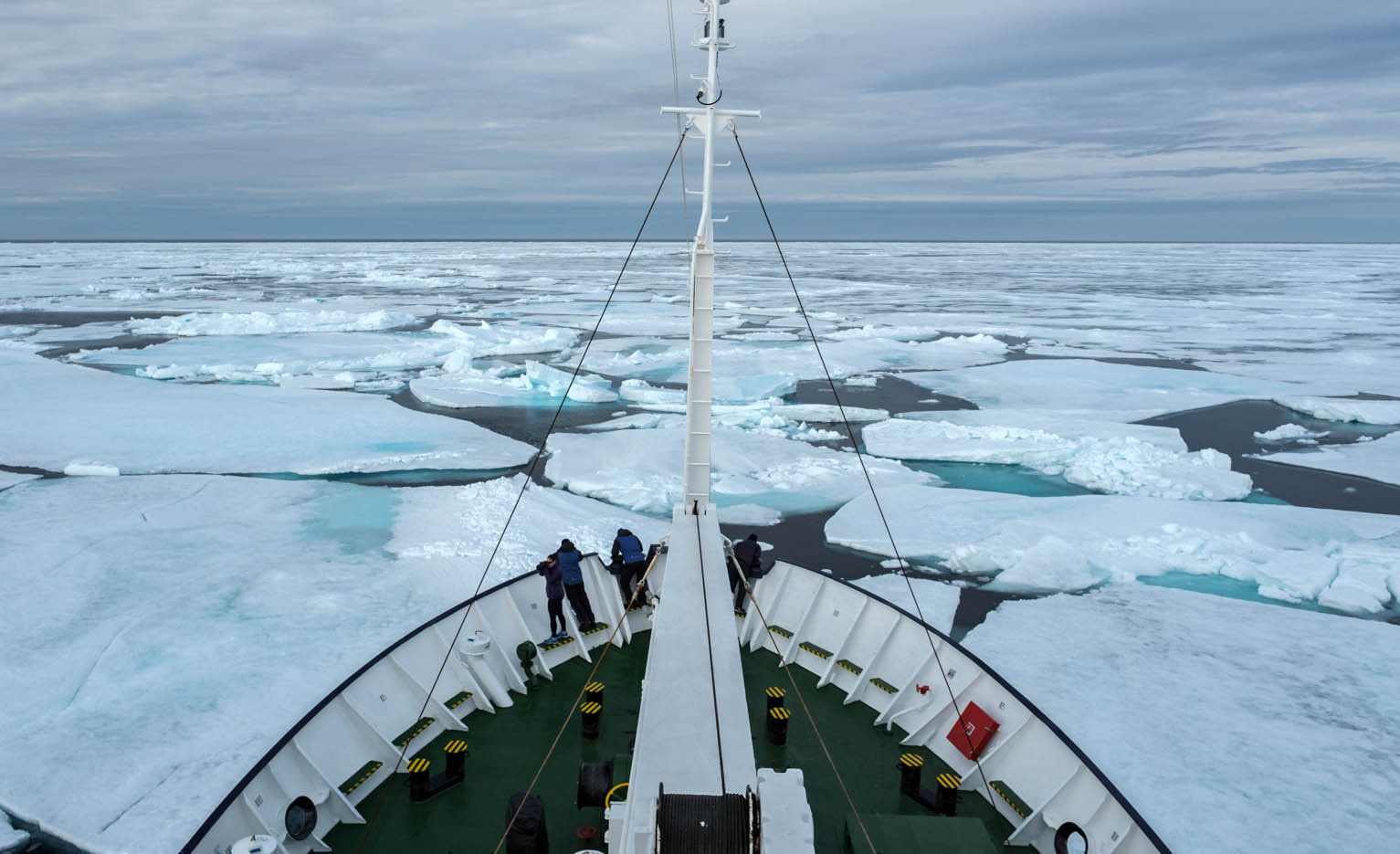
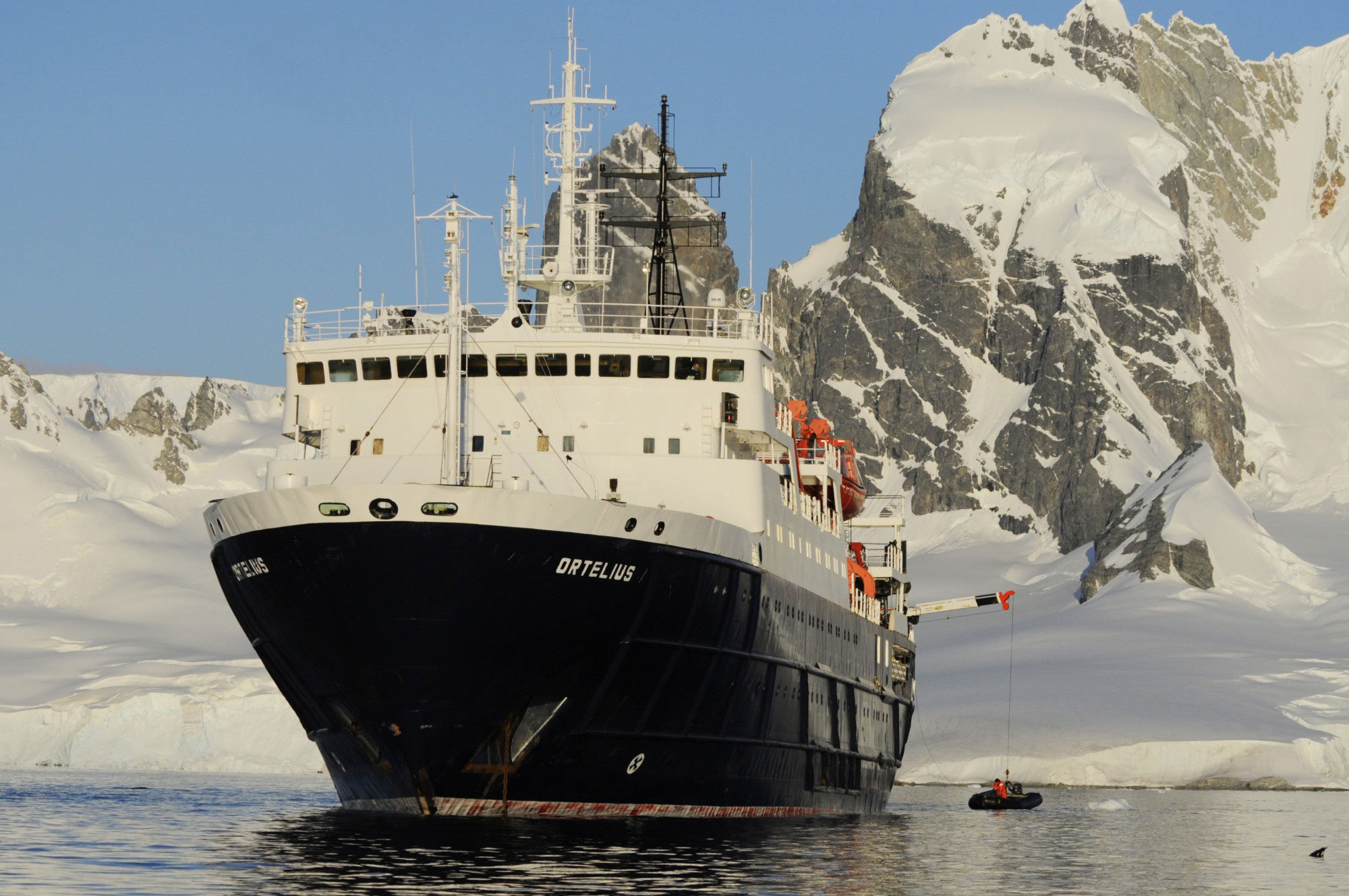
Aqua-Firma provides the opportunity to explore this remote wilderness by your choice of ice-strengthened motor ships, sailing yachts and tallships. These vessels carry small groups of between 20 - 200 travellers, providing an intimate and stimulating atmosphere of like minded people. Each however delivers a different experience: The ice-strengthened vessels are bold,spacious and powerful, hosting excellent viewing from the bridge, bow and decks. From a hardy expedition ship to a more luxurious expedition cruise, your ship will explore in comfort and safety.
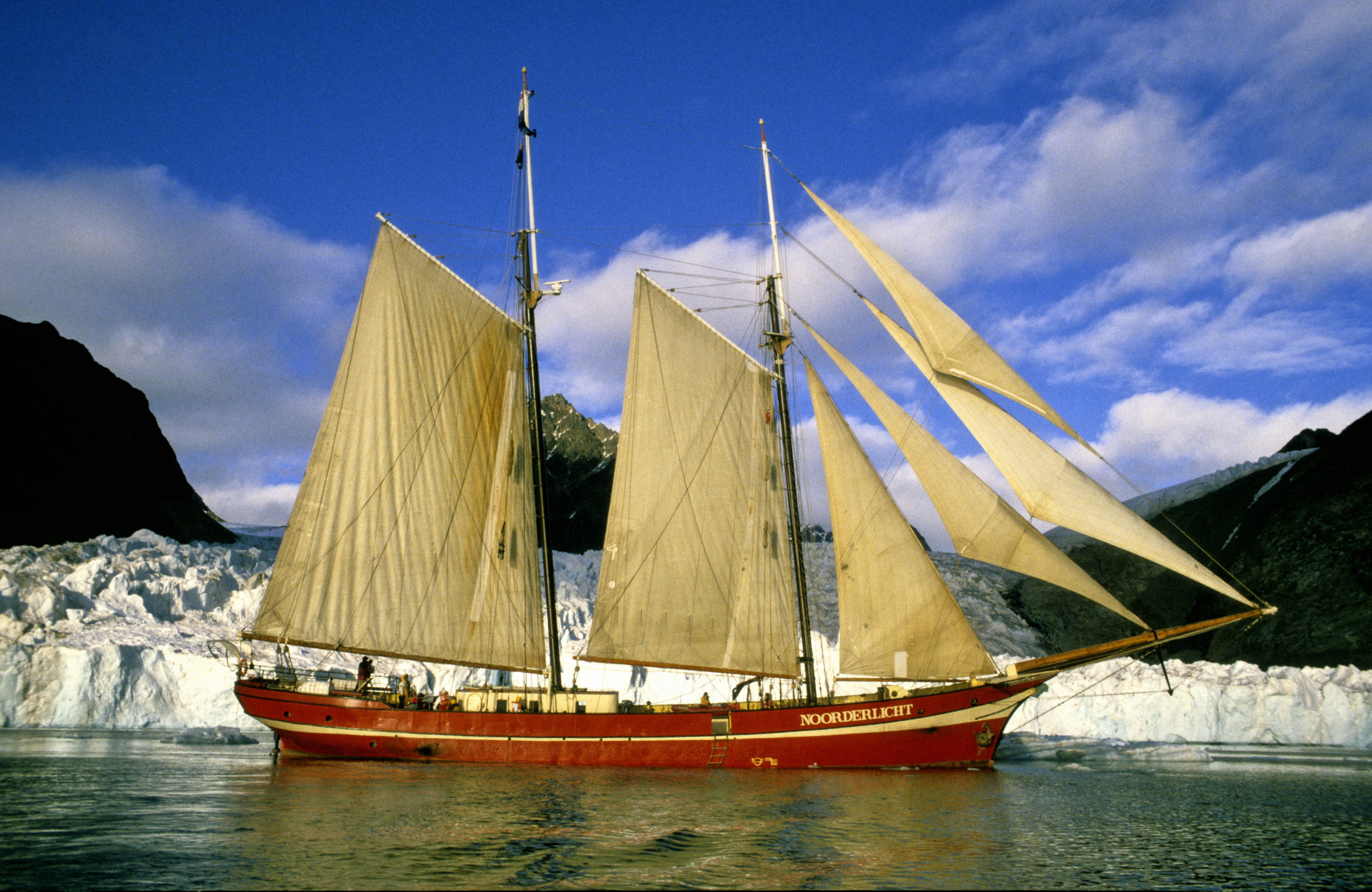
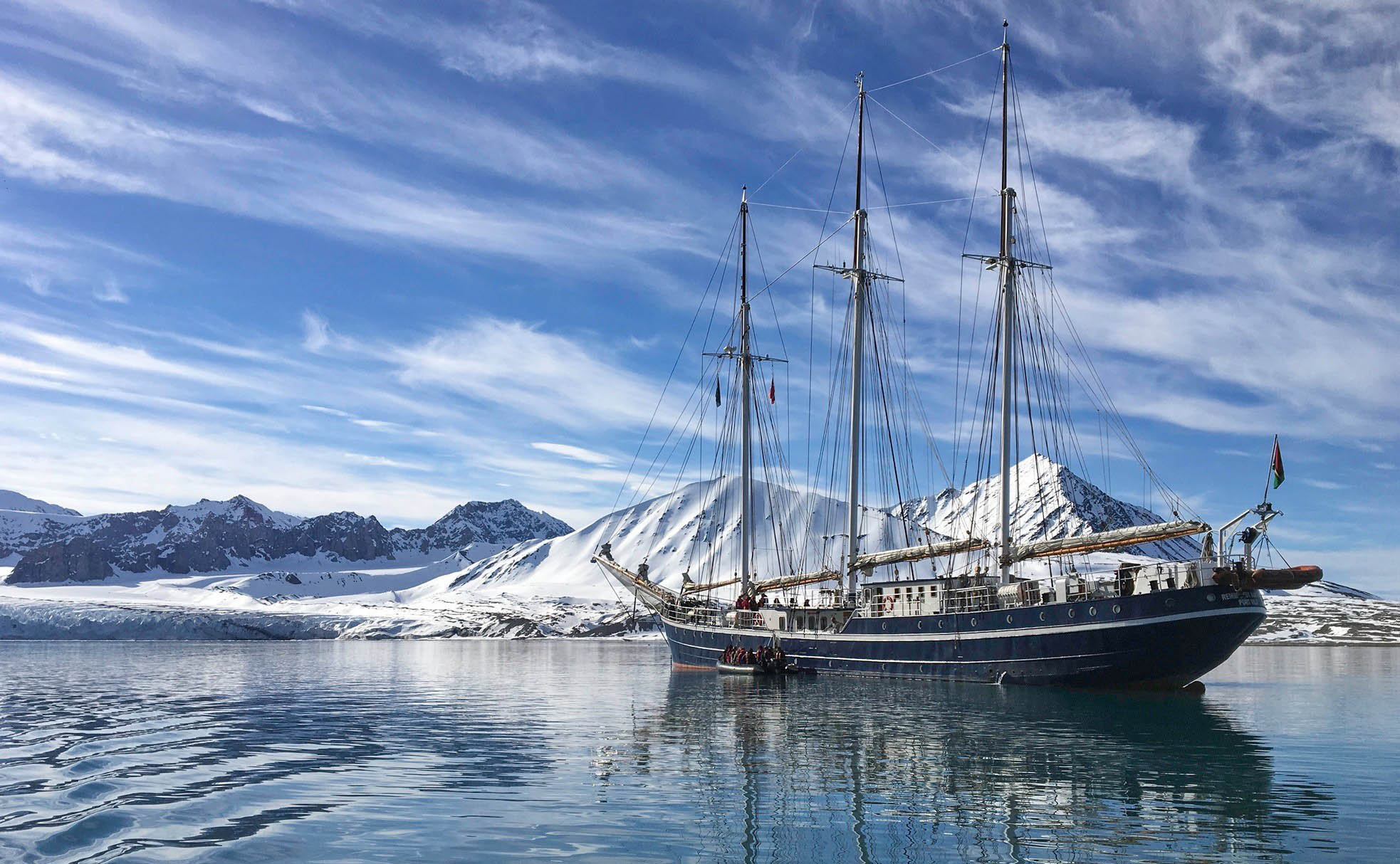
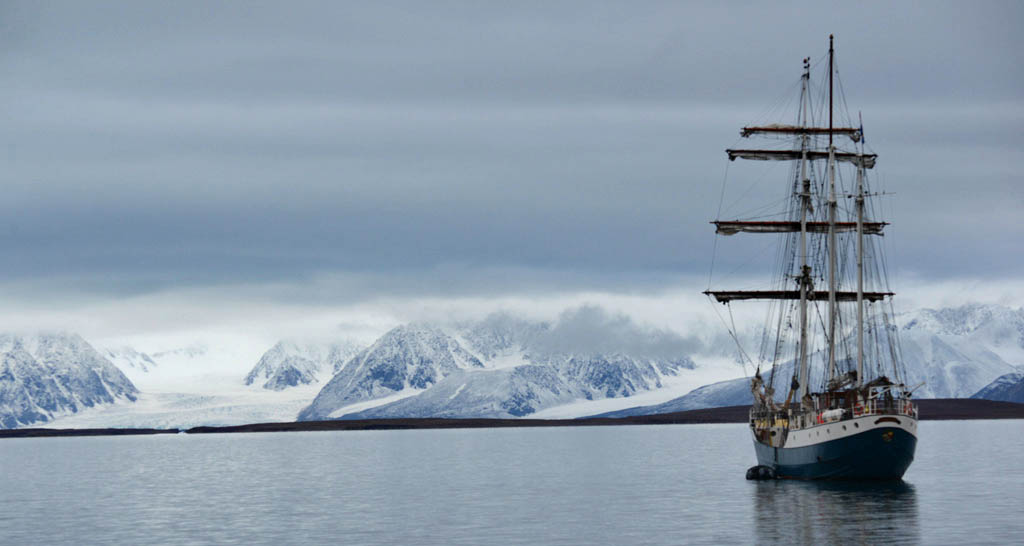
The tallships on the other hand are handsome, comfortable and undoubtedly suited to the challenges of the Arctic. Still with the aim of exploring off the ship in the company of natural history expert guides, these smaller, more intimate classic vessels evoke a romance and an expeditionary sense of adventure which comes with moving as one with the Nature rather than against it.
Exploring on land
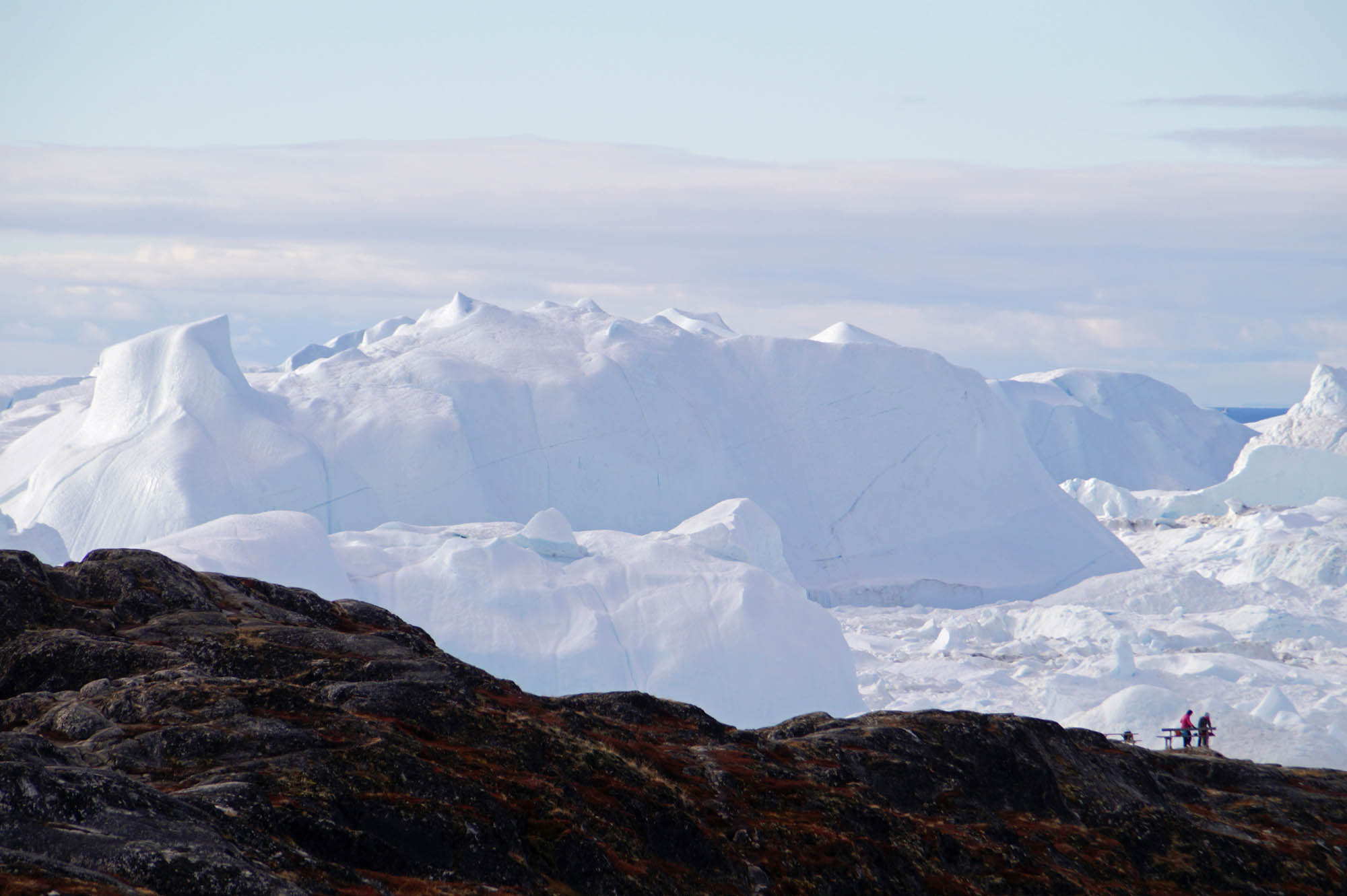
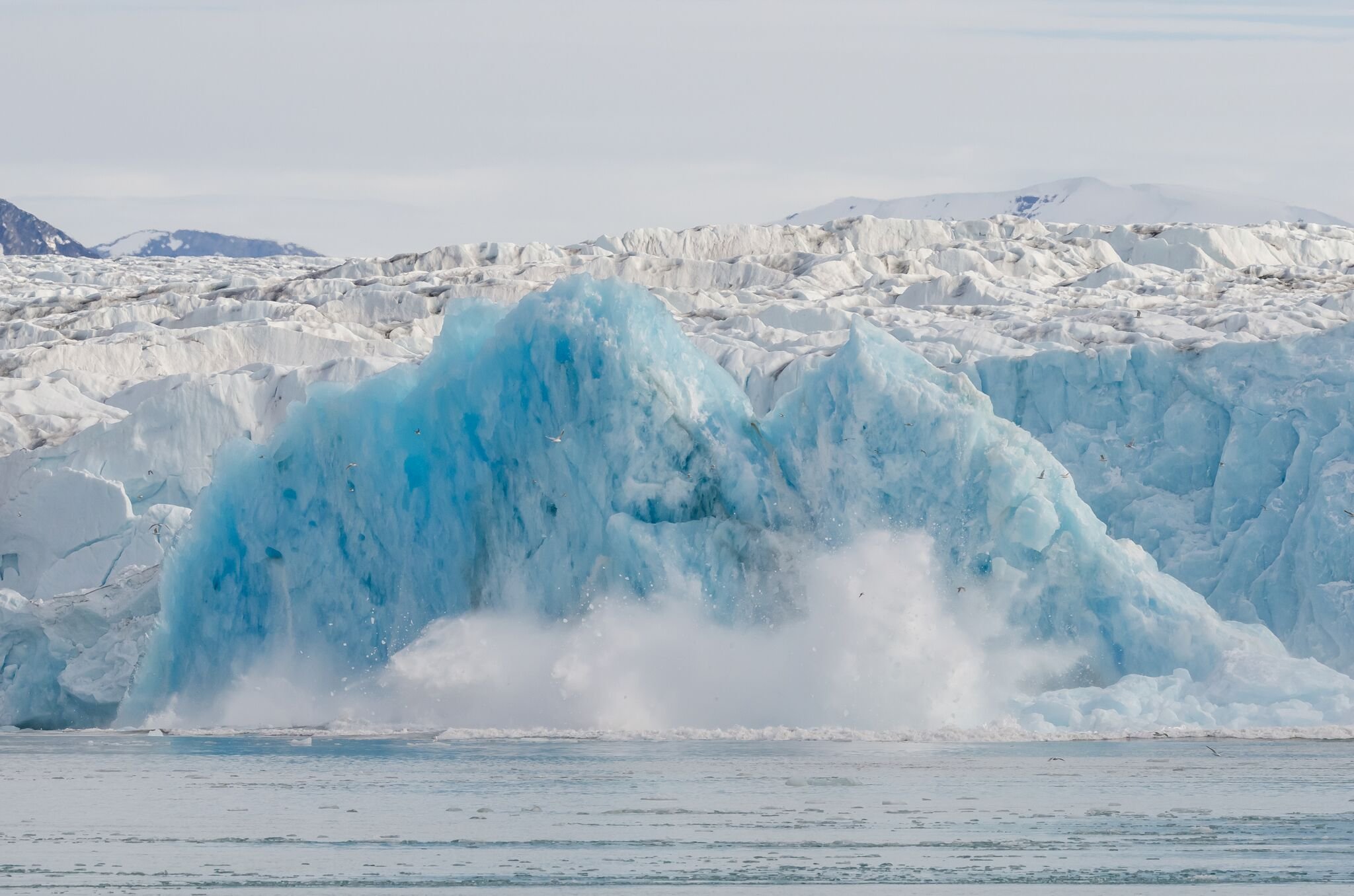
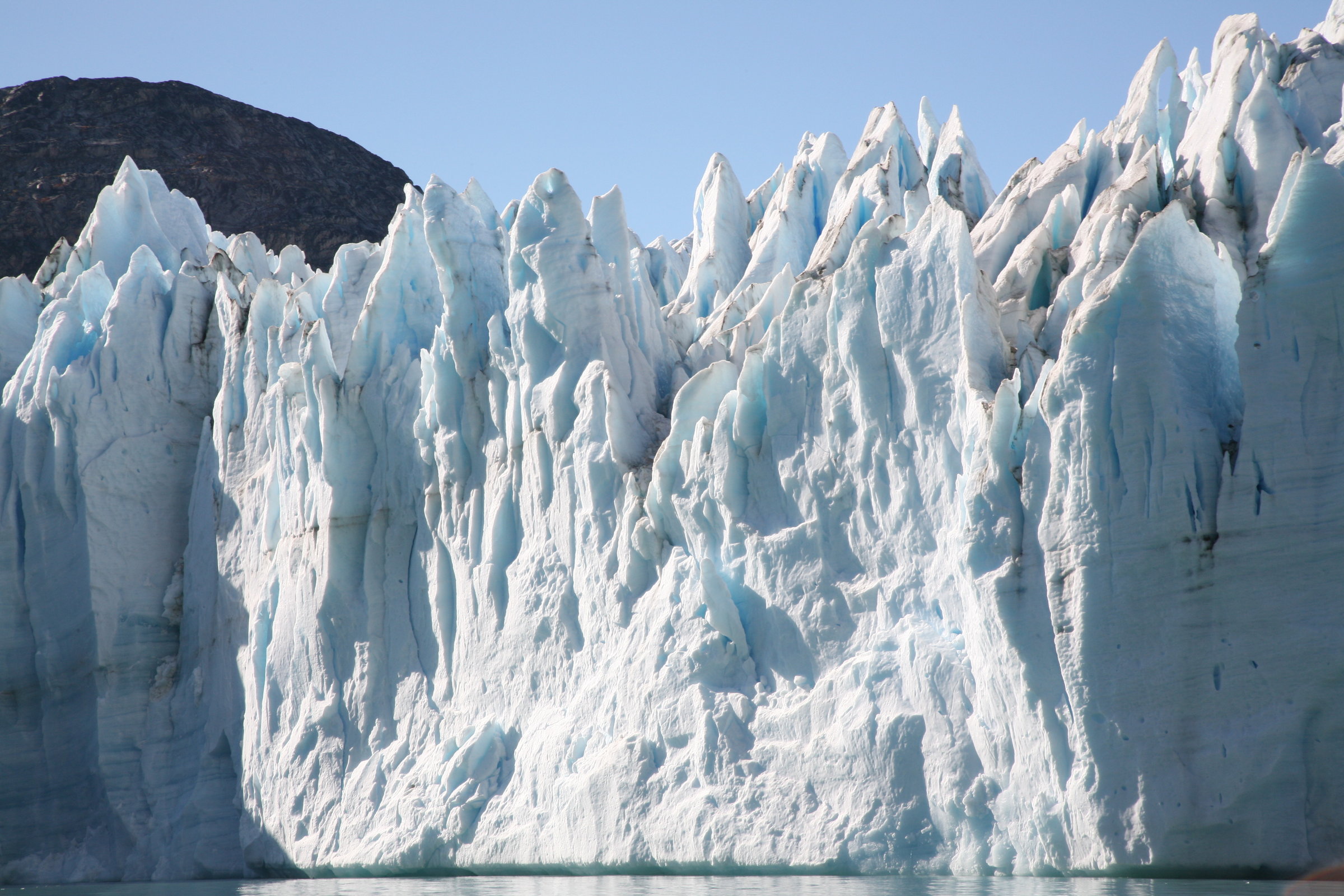
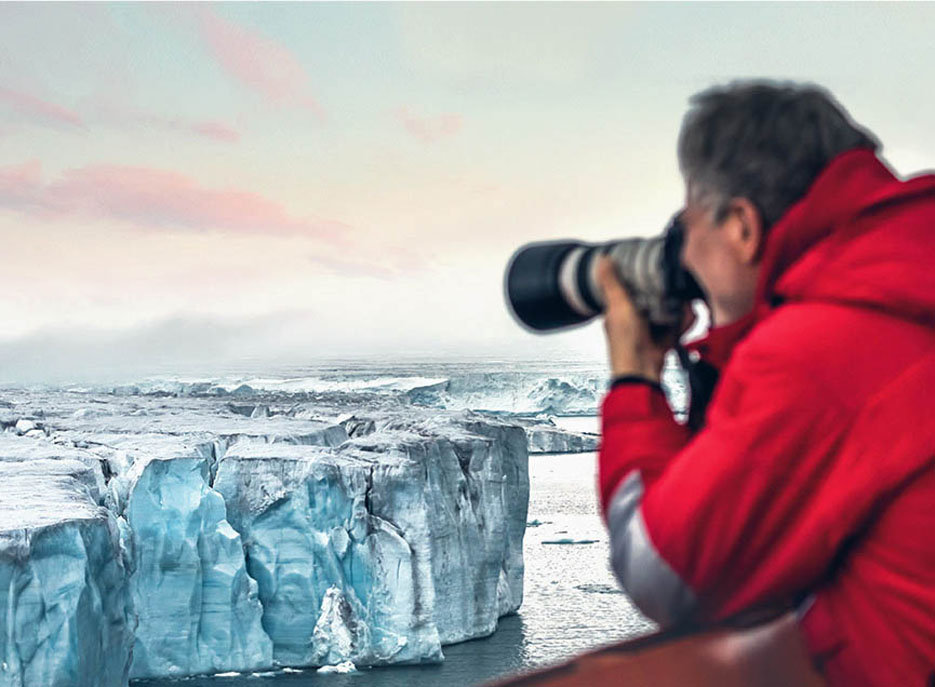
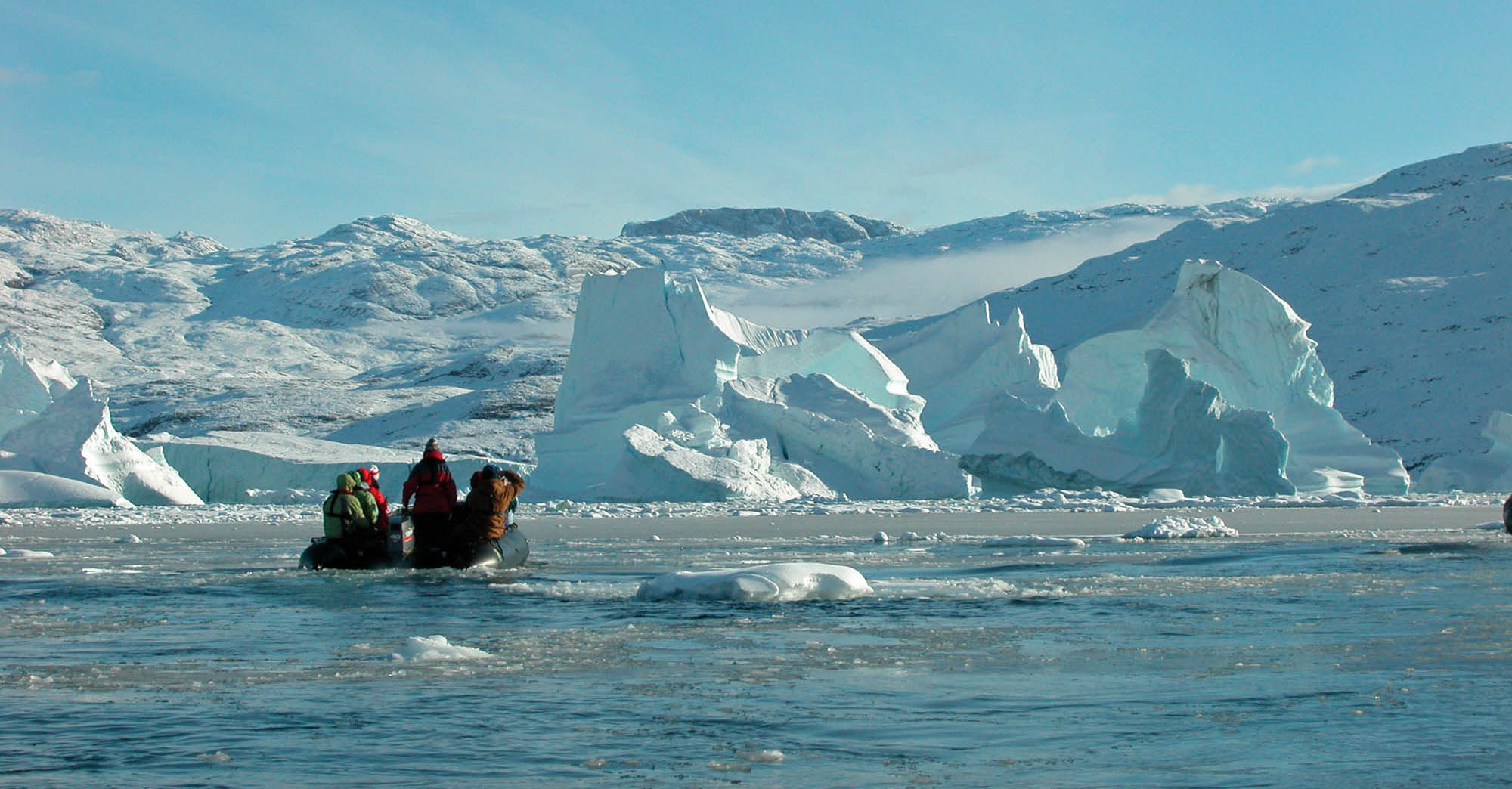
During all our natural history voyages we spend significant periods of time ashore in the company of some of the best natural history guides in the Arctic including Aqua-Firma's own specialist guides and Marine Scientists. Rigid inflatable boats launched from the ships carry small groups to impressive glacier fronts and majestic icebergs, providing close up observations of the incredible scenery and wildlife of the polar seas. Lectures, workshops and entertaining discussions are led by professionals and can include former British Antarctic Survey staff, marine scientists, wildlife experts, polar historians and geologists.
Adventure Expertise
Aqua-Firma in-house adventure specialists are professional divers, yacht masters and keen kayakers all with first hand experience at both poles and more than happy to discuss your activity options.
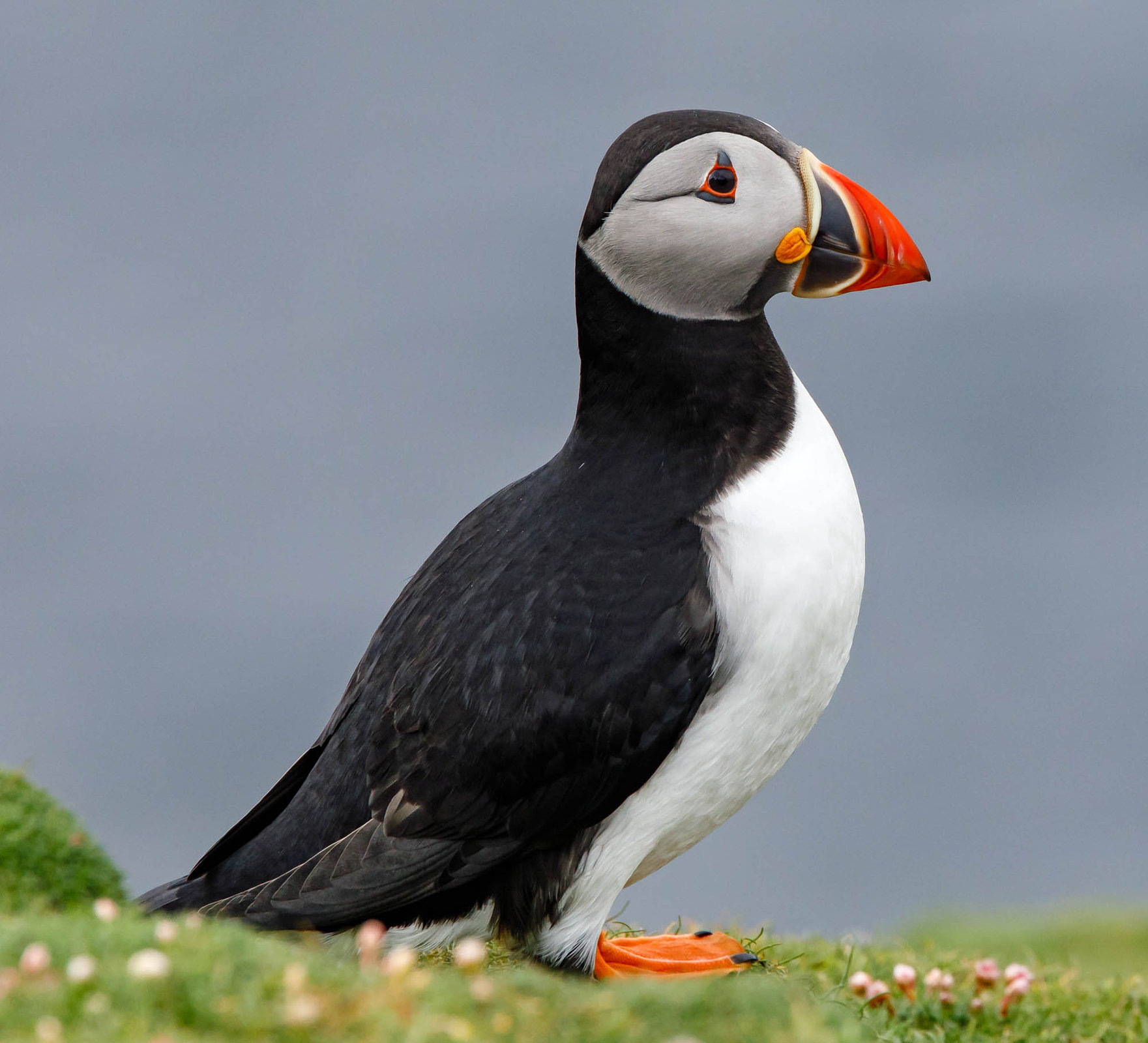
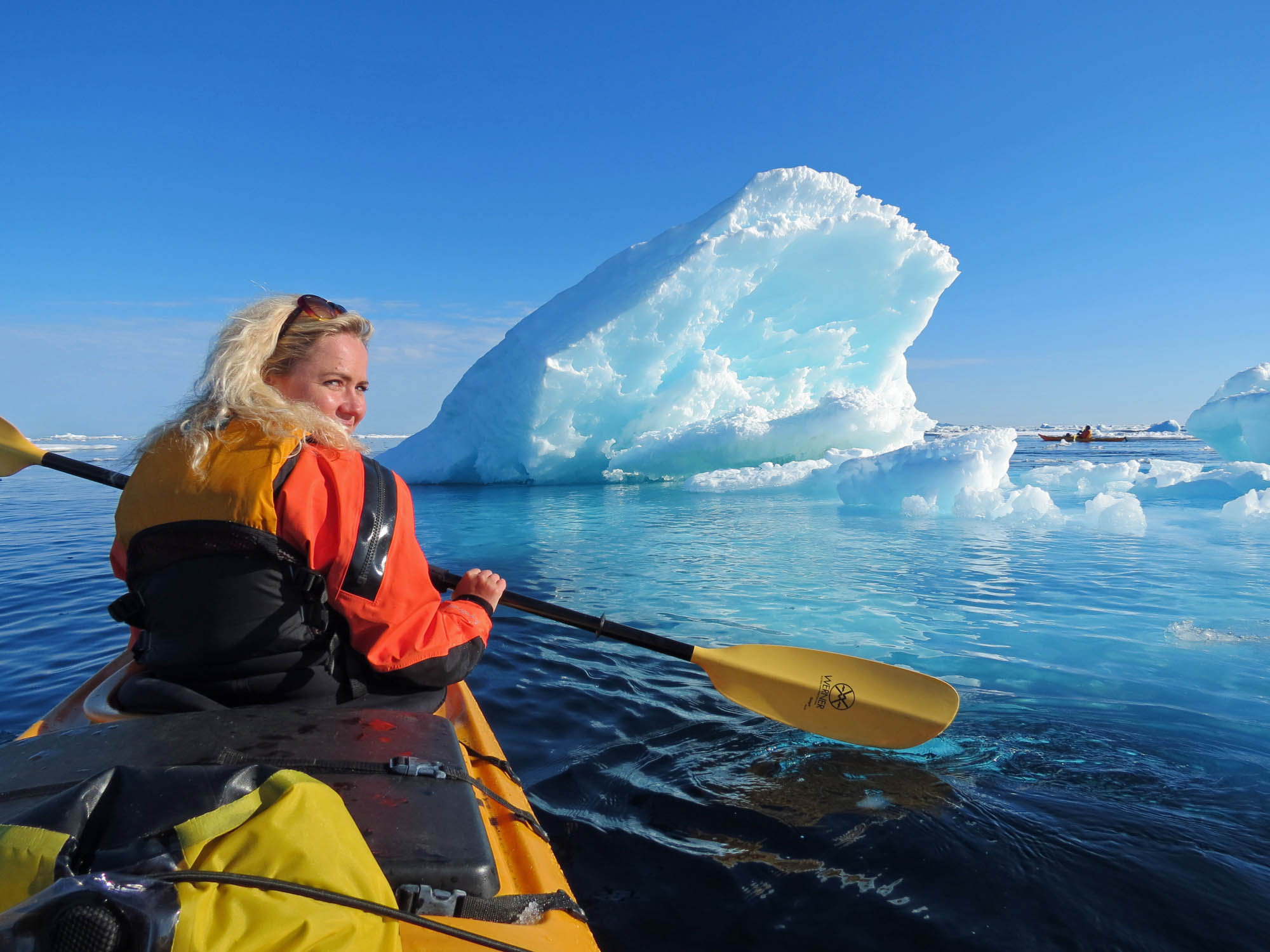
Our specialist knowledge and experience means that optional adventures such as Polar Sea Kayaking, Snow Shoe Walking, hiking and polar sailing can form an integral part of certain expeditions, or added in as day trip extensions either side of your voyage. Photographic opportunities abound throughout the year, but on certain voyages we offer Photography Workshops, hosted by an Aqua-Firma or Leica Akademie professional. On others, our lead Birdwatching guide, Robert Brown, OBE, brings with him the experience of 12 years a Director of RSPB (Northern Ireland).
We are trained commercial divers, scuba instructors and dive guides in both Antarctica and the Arctic. For the experienced dry suit diver we have an exciting programme of Polar Diving onboard some of our special marine life and wildlife departures. Such expeditions are often supported by underwater photographers and cameramen who bring back from their dives images of the underwater world: enriching the experience of those onboard who do not dive but wish to learn more about the incredible environment below the icy Arctic waters.
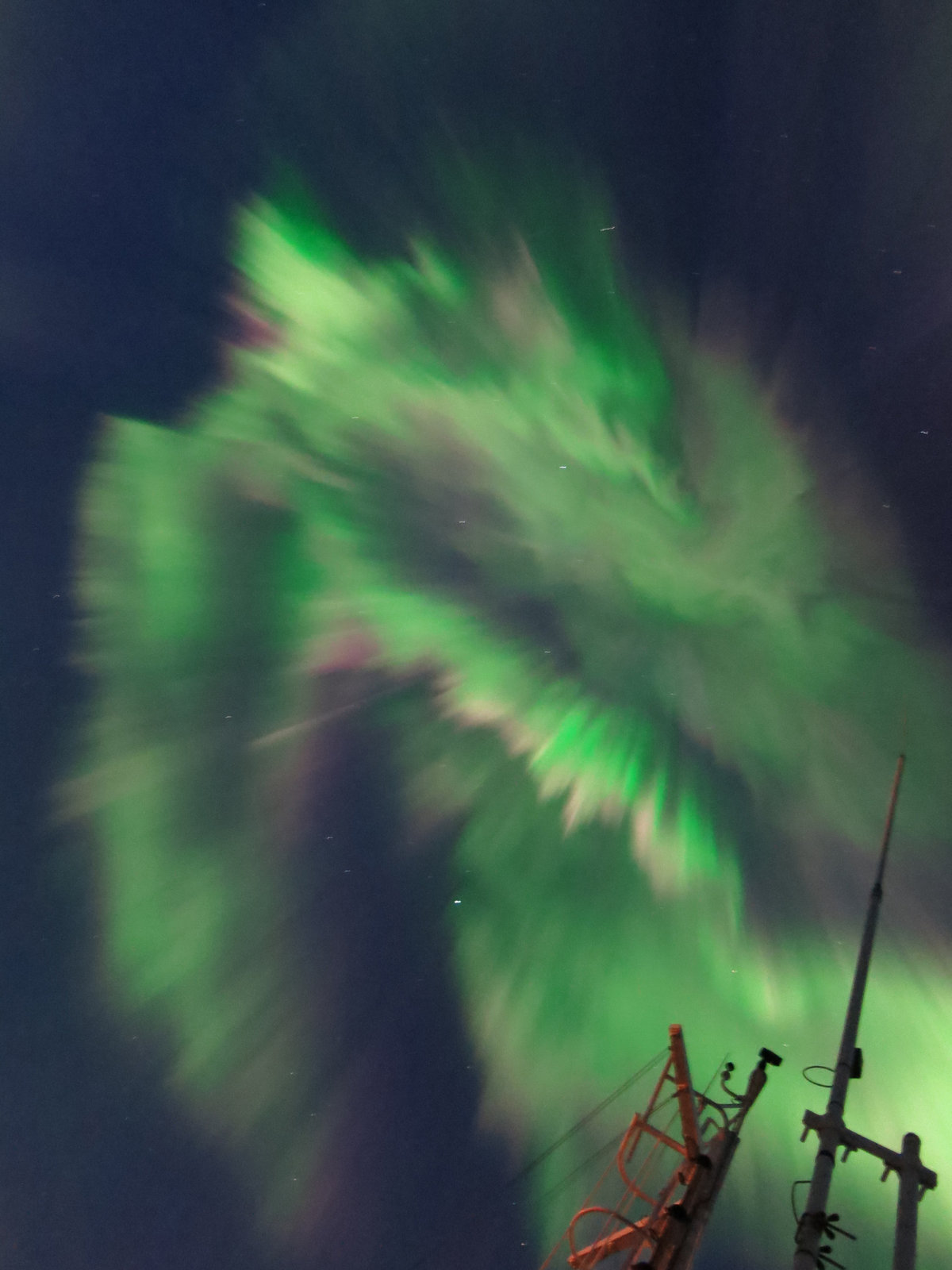
To experience the High Arctic outside the summer months, we can take you deep into the heart of Spitsbergen by dog sled and snowmobile (skidoo), staying in a remote explorer's wood cabin. This adventure takes you across frozen lands and sea ice, past mountains and glaciers with opportunities to take in the breath taking Northern Lights (Aurora borealis).
|
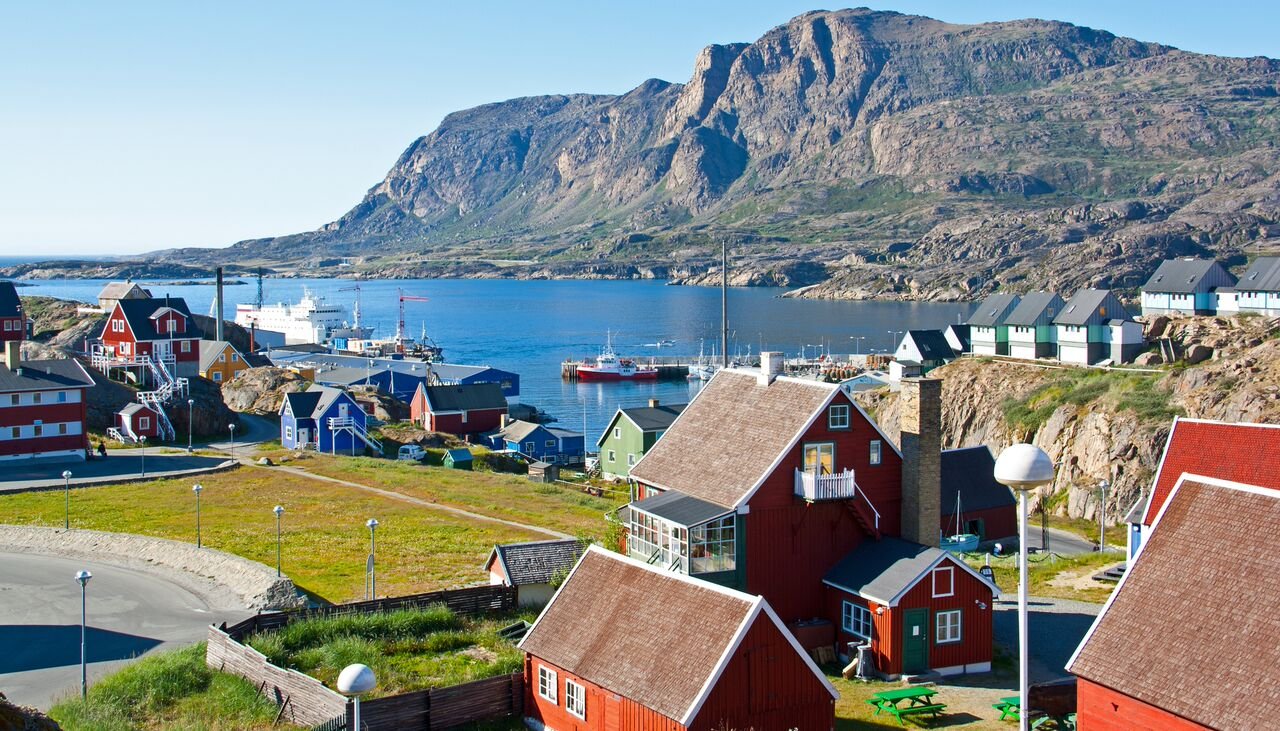
Polar Travel with Aqua-Firma An Arctic expedition is a major travel undertaking for most travellers, which is why we provide detailed information throughout the booking and preparation process. Aqua-Firma is an ATOL protected travel company and can assist in booking flights and accommodation before and after your voyage. We can also provide comprehensive information about transportation, accommodation and what to do in Oslo and Longyearbyen; and for those travelling to Greenland, we can provide a huge range of tailor made travel options in Iceland. With years of on location experience in the High Arctic, we are on hand to answer any questions you may have prior to departure and give you the assurance of 24 hour support whilst away. When you pick up the phone or email Aqua-Firma, you will be able to speak directly with one of our polar experts or guides. Whether your interest is a particular location, a desire for a specific experience, or a specialist interest such as sailing, photography, sea kayaking or polar diving, we will be able to provide the information you are looking for at a price difficult to match. |
|
Our Commitment to the Climate Aqua-Firma is committed to the conservation of the places it visits. This is why, at the inception of Aqua-Firma, we established our Rainforest4Climate Programme to address carbon emissions created by your voyage & flights booked through us for polar voyages. |